
For the first time, astronomers have directly measured the speed of superheated gas billowing from a cauldron of stellar activity at the heart of M82.

The highly competitive NASA Hubble Fellowship Program (NHFP) recently named 24 new fellows to its 2026 class. The NHFP enables outstanding postdoctoral scientists to pursue independent research in any area of NASA Astrophysics, using theory, observations, simulations, experimentation, or instrument development. Over 650 applicants vied for the 2026 fellowships, representing an oversubscription rate of 27 […]

A quarter-century after its first observations of the full Crab Nebula, NASA’s Hubble Space Telescope has taken a fresh look at the supernova remnant. The result is an unparalleled, detailed look at the aftermath of a supernova and how it has evolved over Hubble’s long lifetime. A paper detailing the new Hubble observation is published […]

In a happy twist of fate, NASA’s Hubble Space Telescope just witnessed a comet in the act of breaking apart. The chance of that happening while Hubble watched is extraordinarily minuscule. The findings published Wednesday in the journal Icarus. The comet K1, whose full name is C/2025 K1 (ATLAS)—not to be confused with interstellar comet […]
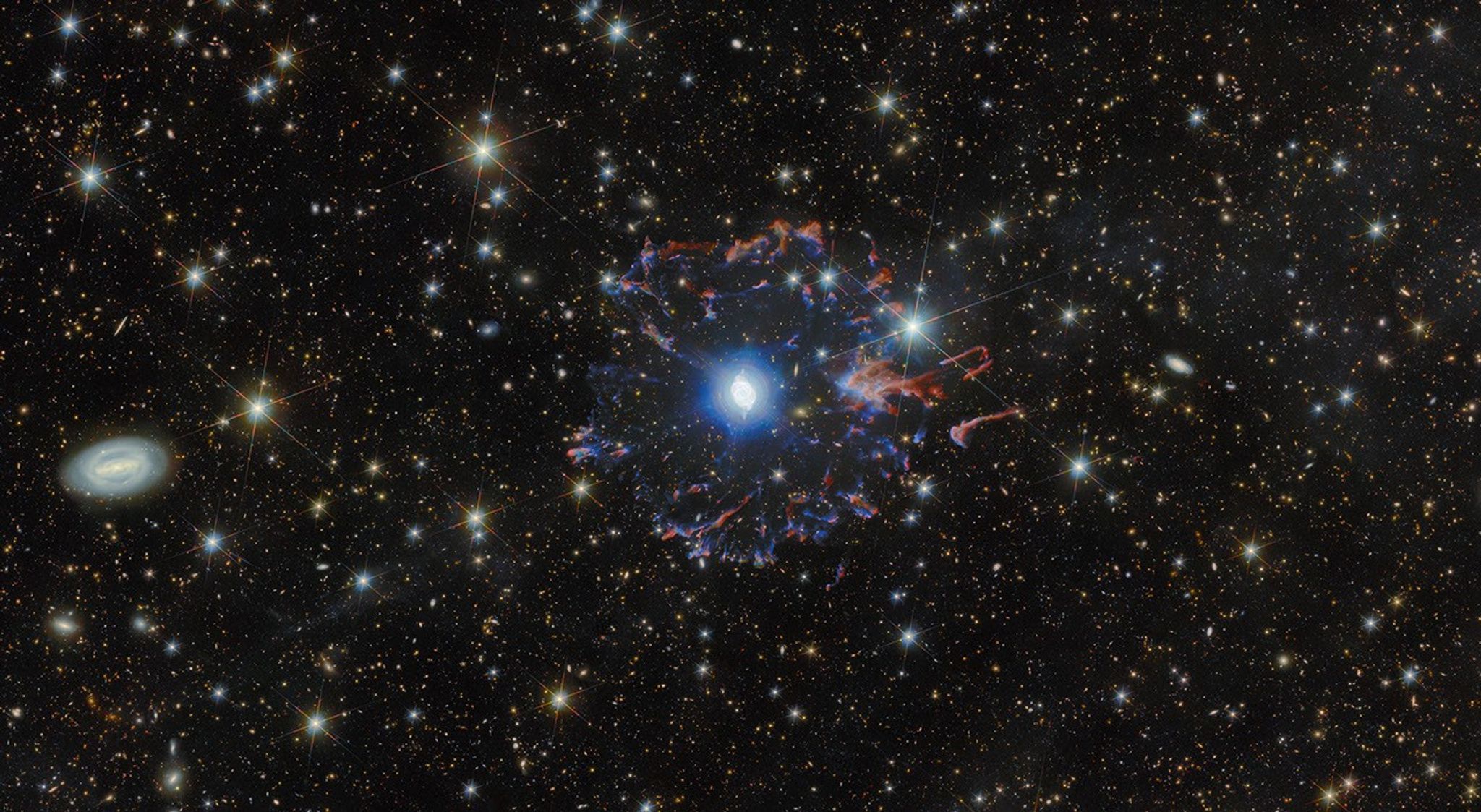
This March 3, 2026, image combines views from ESA’s (European Space Agency) Euclid and NASA’s Hubble Space Telescope to feature one of the most visually intricate remnants of a dying star: the Cat’s Eye Nebula, also known as NGC 6543. This extraordinary planetary nebula lies 4,400 light-years away in the constellation Draco and has captivated astronomers for decades […]
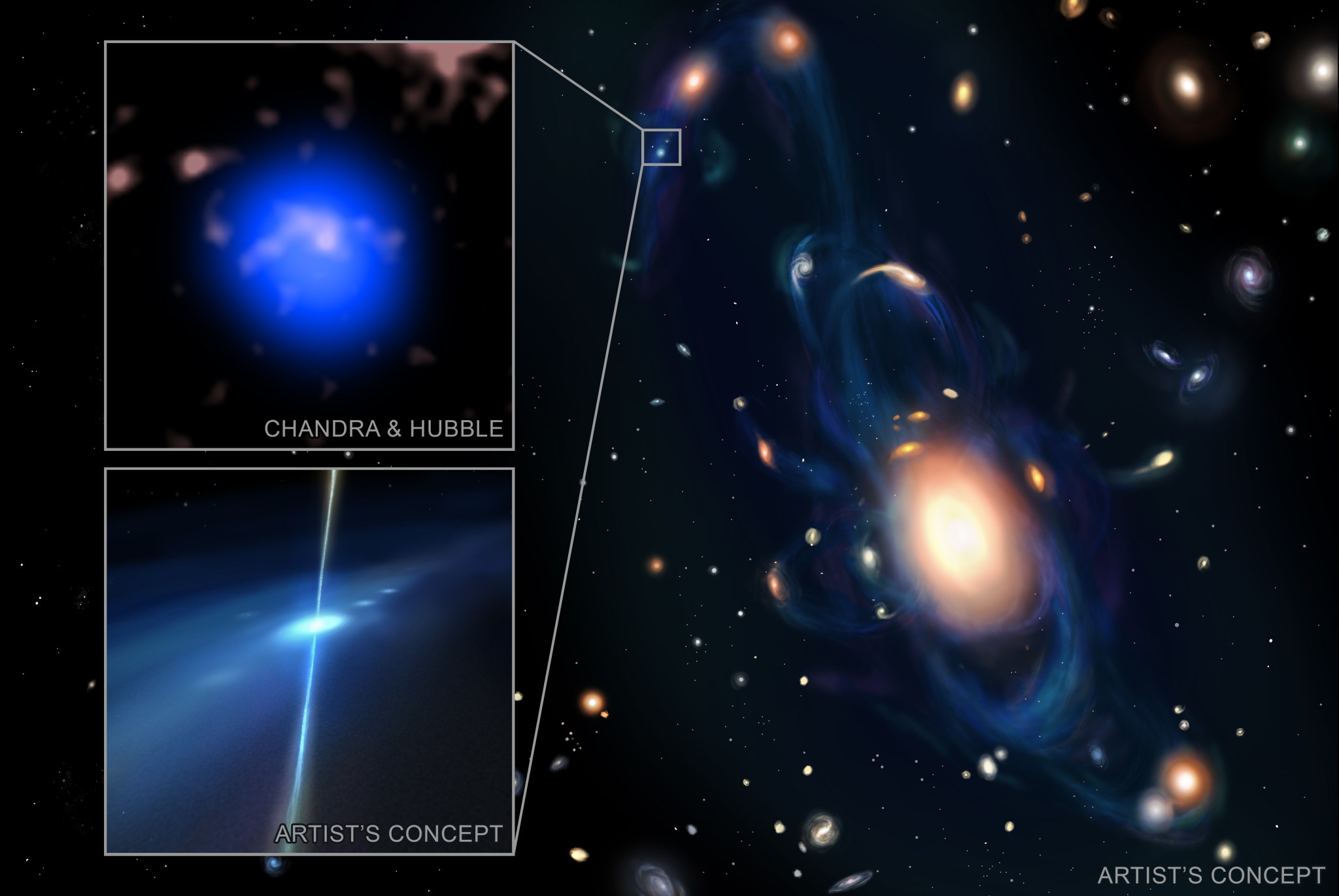
A fleet of NASA missions has likely uncovered a collision between two ultradense stars in a tiny galaxy buried in a huge stream of gas. Astronomers have never seen this type of explosive event in an environment like this before — and it may help solve two outstanding cosmic mysteries. A paper describing these results […]

This new NASA/ESA Hubble Space Telescope image features one of the most visually intricate remnants of a dying star: the Cat’s Eye Nebula, also known as NGC 6543. This extraordinary planetary nebula lies in the constellation Draco and has captivated astronomers for decades with its elaborate and multilayered structure. Observations with ESA’s Gaia mission place the nebula at 4,400 light-years away. […]
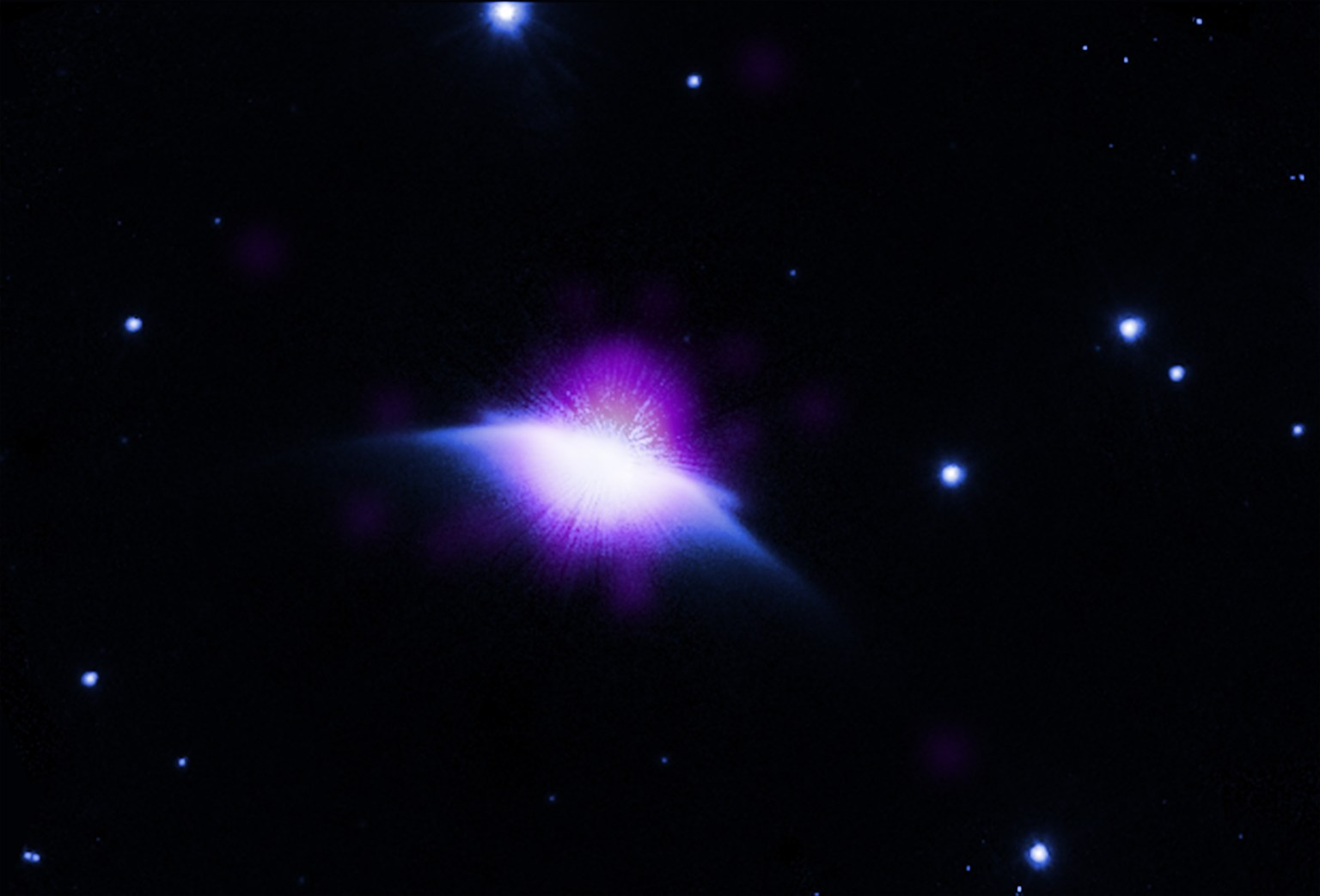
For the first time, a much younger version of the Sun has been caught red-handed blowing bubbles in the galaxy, by astronomers using NASA’s Chandra X-ray Observatory. The bubble – called an “astrosphere” – completely surrounds the juvenile star. Winds from the star’s surface are blowing up the bubble and filling it with hot gas […]

In the vast tapestry of the universe, most galaxies shine brightly across cosmic time and space. Yet a rare class of galaxies remains nearly invisible — low-surface-brightness galaxies dominated by dark matter and containing only a sparse scattering of faint stars. One such elusive object, dubbed CDG-2, may be among the most heavily dark matter-dominated […]
At the center of the Egg Nebula is its yolk: a deteriorating sun-like star.