• A new threat has emerged in the cybersecurity landscape as security experts discover a private Out-of-Band Application Security Testing (OAST) service operating on Google Cloud infrastructure.

    This mystery operation stands out from typical exploit scanning activities because it uses custom infrastructure rather than relying on public services. The attackers have been running a focused campaign that targets specific regions with over 200 different vulnerabilities.

    Between October and November 2025, researchers observed roughly 1,400 exploit attempts spanning more than 200 CVEs linked to this operation.

    Unlike most attackers who use public OAST services like oast.fun or interact.sh, this threat actor operates their own private OAST domain at detectors-testing.com.

    This unusual setup caught attention when callbacks started appearing to subdomains of i-sh.detectors-testing.com, a domain not associated with any known OAST provider or popular scanning framework.

    VulnCheck security researchers identified this operation after noticing unusual patterns in their Canary Intelligence traffic.

    The campaign combines standard Nuclei scanning templates with custom payloads to expand their reach. What makes this operation particularly interesting is that all observed activity targeted systems deployed in Brazil, suggesting a clear regional focus.

    While the same attacker IP addresses were flagged in Serbia and Turkey through AbuseIPDB reports, VulnCheck’s dataset showed activity concentrated entirely on Brazilian targets.

    The infrastructure behind this operation consists of multiple Google Cloud IP addresses, with six addresses used as exploit scanners and one as the OAST host.

    Using Google Cloud provides practical advantages for attackers since defenders rarely block major US cloud providers, and traffic to Google networks easily blends with normal background communication.

    The operation has been running since at least November 2024, indicating a long-term sustained effort rather than quick opportunistic scans.

    Evidence from an open directory on port 9000 revealed a modified Java class file called TouchFile.class, originally documented in Fastjson 1.2.47 exploitation examples.

    The attackers extended the basic version to accept custom commands and HTTP requests through parameters, showing they actively modify publicly available exploit tools rather than using them unchanged.

    The decompiled code shows that if no parameters are provided, it runs a default command to touch /tmp/success3125, but when cmd or http parameters are present, it executes those commands or makes outbound HTTP requests instead.

    Technical Breakdown of the Exploit Mechanism

    The attackers use a mix of current and outdated Nuclei templates to probe for vulnerabilities. One example is the old grafana-file-read.yaml template, which was removed from the official nuclei-templates repository in early October 2025.

    Finding this older template in active use suggests the attackers either use third-party Nuclei-based scanners like dddd or simply have not updated their scanning tools.

    This combination of old and new templates helps them cast a wider net across different vulnerability types.
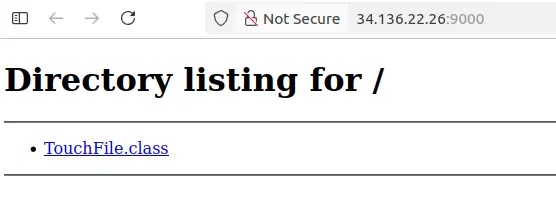
    Open directory on port 9000 hosts a Java class file (Source - VulnCheck)
    Open directory on port 9000 hosts a Java class file (Source – VulnCheck)

    The exploit payloads follow a standard pattern where successful exploitation triggers the compromised host to make HTTP requests back to the attacker-controlled OAST subdomains.

    For instance, in an attempt against CVE-2025-4428 affecting Ivanti Endpoint Manager Mobile, the payload would force the victim system to contact d4bqsd6e47mo47d93lpgq55d3j111y6em.i-sh.detectors-testing.com.

    This callback mechanism allows attackers to verify which systems are vulnerable without needing direct access, making detection more challenging for defenders.

    The OAST host at 34.136.22.26 consistently presents Interactsh services across ports 80, 443, and 389, confirming its role as a dedicated command and control endpoint for collecting exploit verification callbacks from compromised systems worldwide.

    Follow us on Google NewsLinkedIn, and X to Get More Instant UpdatesSet CSN as a Preferred Source in Google.

    The post Mystery OAST With Exploit for 200 CVEs Leveraging Google Cloud to Launch Attacks appeared first on Cyber Security News.

    ¶¶¶¶¶

    ¶¶¶¶¶

    ¶¶¶¶¶

    ¶¶¶¶¶

    ¶¶¶¶¶

  • The AI browser wars are coming to a desktop near you, and you need to start worrying about their security challenges. For the last two decades, whether you used Chrome, Edge, or Firefox, the fundamental paradigm remained the same: a passive window through which a human user viewed and interacted with the internet. That era is over. We are currently witnessing a shift that renders the old

    ¶¶¶¶¶

    ¶¶¶¶¶

    ¶¶¶¶¶

    ¶¶¶¶¶

    ¶¶¶¶¶

  • Security researchers have confirmed that KimJongRAT, a sophisticated remote access Trojan attributed to the Kimsuky group and believed to be backed by North Korea, is being actively distributed via weaponized .hta files targeting Windows users. The discovery reveals a carefully orchestrated attack chain designed to harvest sensitive credentials and system information from compromised machines. The […]

    The post KimJongRAT Strikes Windows Users via Malicious HTA Files appeared first on GBHackers Security | #1 Globally Trusted Cyber Security News Platform.

    ¶¶¶¶¶

    ¶¶¶¶¶

    ¶¶¶¶¶

    ¶¶¶¶¶

    ¶¶¶¶¶

  • Pakistan-based threat actor APT36, also known as Transparent Tribe, has launched a sophisticated cyber-espionage campaign against Indian government institutions using a newly developed Python-based ELF malware.

    The attack marks a significant escalation in the group’s capabilities, demonstrating their growing technical maturity and adaptability to Linux-based operating systems.

    The campaign centers on spear-phishing emails containing weaponized Linux shortcut files designed to deceive government employees.

    When recipients extract and open these files, the malware silently downloads and executes malicious components in the background while displaying seemingly harmless content to the user.

    This dual-layer approach allows the attackers to maintain stealth while establishing persistent access to critical infrastructure. APT36’s shift toward Linux targeting represents a strategic evolution in their operational doctrine.

    The group has historically focused on Windows-based attacks, but this new campaign reveals their commitment to targeting the BOSS operating system, which is widely deployed across Indian government agencies.

    By adapting their tools to exploit multiple platforms, the threat actors significantly expand their attack surface and operational effectiveness.

    Cyfirma security analysts identified the malware after discovering the weaponized .desktop files being distributed through targeted phishing campaigns.

    Analysis_Proc_Report_Gem.desktop (Source – Cyfirma)

    The researchers noted that the infection chain begins with a deceptive archive file containing the malicious shortcut, which triggers a multi-stage payload delivery process.

    Once executed, the shortcut downloads a decoy PDF document to distract the user while simultaneously fetching and installing the actual ELF malware payload from attacker-controlled servers.

    Malware’s infection mechanism

    The malware’s infection mechanism relies on .desktop files as intermediary delivery vectors, allowing the threat actors to conceal their malicious intent while maintaining flexibility in payload deployment.

    Unlike directly transmitting ELF binaries, which security systems can more easily detect, .desktop files appear legitimate to Linux users while running embedded commands.

    Source code of the bash file (Source – Cyfirma)

    This approach enables dynamic payload retrieval and significantly reduces forensic evidence.

    Malicious 64-bit ELF (Source – Cyfirma)

    Analysis of the extracted malware reveals a feature-rich remote access tool capable of executing arbitrary shell commands, establishing command-and-control communication, capturing screenshots, and exfiltrating data.

    Shell Commands (Source – Cyfirma)

    The malware uses systemd user-level services to establish persistence, ensuring it continues running across system reboots and user sessions.

    Researchers discovered that the threat actor strategically uses the .desktop file format combined with shell script execution to bypass traditional security controls and maintain undetected presence.

    The campaign infrastructure uses recently registered domains and compromised servers located in multiple countries.

    The malicious domain lionsdenim[.]xyz, registered just 22 days prior, combined with IP address 185.235.137.90 in Frankfurt, facilitates payload delivery.

    Indian government agencies should implement immediate mitigation measures, including enhanced email security, endpoint detection and response solutions, and strict application authorization policies to counter this persistent threat.

    Follow us on Google NewsLinkedIn, and X to Get More Instant UpdatesSet CSN as a Preferred Source in Google.

    The post APT36 Hackers Used Python-Based ELF Malware to Target Indian Government Entities appeared first on Cyber Security News.

    ¶¶¶¶¶

    ¶¶¶¶¶

    ¶¶¶¶¶

    ¶¶¶¶¶

    ¶¶¶¶¶

  • Security researchers have discovered that modern attackers are abandoning traditional offensive tools and instead weaponizing legitimate Windows utilities to conduct cyberattacks without triggering security alarms. This shift in tactics, known as “Living Off the Land,” poses a significant challenge for organizations trying to protect their systems. Living off the Land refers to using only the […]

    The post Hackers Shift to ‘Living Off the Land’ Tactics to Evade EDR on Windows Systems appeared first on GBHackers Security | #1 Globally Trusted Cyber Security News Platform.

    ¶¶¶¶¶

    ¶¶¶¶¶

    ¶¶¶¶¶

    ¶¶¶¶¶

    ¶¶¶¶¶

  • Law enforcement authorities from Switzerland and Germany, with support from Europol, have successfully dismantled a primary cryptocurrency mixing service called ‘Cryptomixer’ that was facilitating cybercrime and money laundering operations worldwide. The coordinated action took place between November 24 and 28, 2025, in Zurich, Switzerland. During the operation, authorities seized three servers and confiscated the cryptomixer.io […]

    The post Authorities Shut Down ‘Cryptomixer’ Platform Used for Cybercrime and Money Laundering appeared first on GBHackers Security | #1 Globally Trusted Cyber Security News Platform.

    ¶¶¶¶¶

    ¶¶¶¶¶

    ¶¶¶¶¶

    ¶¶¶¶¶

    ¶¶¶¶¶

  • SEQRITE Labs APT-Team has uncovered a sophisticated cyberattack campaign dubbed “Operation Hanoi Thief,” targeting IT departments and human resources recruiters across Vietnam with weaponized resume documents. The campaign, first detected on November 3, 2025, employs an innovative pseudo-polyglot payload technique to disguise malware as legitimate job application materials. The operation begins with a malicious ZIP […]

    The post Operation Hanoi Thief: Pseudo-Polyglot Payloads Targeting IT Professionals appeared first on GBHackers Security | #1 Globally Trusted Cyber Security News Platform.

    ¶¶¶¶¶

    ¶¶¶¶¶

    ¶¶¶¶¶

    ¶¶¶¶¶

    ¶¶¶¶¶

  • A critical security vulnerability has been discovered in Devolutions Server, a popular centralized password and privileged access management solution. The flaw, rated critical severity by experts, could allow attackers to steal sensitive data or modify internal records. Devolutions, the company behind the software, released a security advisory (DEVO-2025-0018) on November 27, 2025, detailing three separate […]

    The post Devolutions Server Hit by SQL Injection Flaw Allowing Data Theft appeared first on GBHackers Security | #1 Globally Trusted Cyber Security News Platform.

    ¶¶¶¶¶

    ¶¶¶¶¶

    ¶¶¶¶¶

    ¶¶¶¶¶

    ¶¶¶¶¶

  • Claymont, Delaware, December 1st, 2025, CyberNewsWire Lancaster’s arrival brings significant North American channel experience and expertise, supporting usecure’s ambition to cement its position as the market-leading human risk management solution for MSPs. usecure today announced the appointment of Kevin Lancaster as a Non-Executive Director. Kevin joins usecure with a wealth of experience in the North […]

    The post Kevin Lancaster Joins the usecure Board to Accelerate North American Channel Growth appeared first on GBHackers Security | #1 Globally Trusted Cyber Security News Platform.

    ¶¶¶¶¶

    ¶¶¶¶¶

    ¶¶¶¶¶

    ¶¶¶¶¶

    ¶¶¶¶¶

  • Claymont, Delaware, December 1st, 2025, CyberNewsWire

    Lancaster’s arrival brings significant North American channel experience and expertise, supporting usecure’s ambition to cement its position as the market-leading human risk management solution for MSPs.

    usecure today announced the appointment of Kevin Lancaster as a Non-Executive Director. Kevin joins usecure with a wealth of experience in the North American channel and a strong background in human risk management and security awareness.

    He founded ID Agent, which was later acquired by Kaseya, and has led the Channel Program as CEO, building one of the most established channel communities in the market.

    Kevin will work with the board and executive team to support usecure’s continued expansion in the North American channel and help advance the company’s goal of becoming the number one human risk management solution for managed service providers.

    Kevin’s appointment comes at a time of rapid momentum for usecure. The company protects half a million end users around the world and works with a broad partner ecosystem, including more than 1,800 MSP partners.

    In North America, usecure’s growth is supported by leading distribution partners, including Pax8, Contronex, and Sherweb. These partnerships enable MSPs across the region to access and deploy human risk management services through their preferred marketplaces and distributors.

    “Kevin is an outstanding addition to usecure’s board,” said Charles Preston, Founder and CEO of usecure.

    “He brings hands-on channel leadership, deep knowledge of security awareness and human risk management, and a track record of scaling channel-first product and community businesses. Kevin will be instrumental in helping us accelerate the growth we are already seeing in the channel and expand our footprint in North America.”

    Kevin Lancaster commented on the appointment, saying he is excited to join usecure’s board and support the company’s ambitions.

    “usecure is at a pivotal moment in the evolution of Human Risk Management, and I am thrilled to help accelerate its mission. The team has built something genuinely innovative, and I am looking forward to guiding usecure through its next phase of growth,” said Lancaster.

    usecure’s recent industry recognition reflects this momentum. The company was named a finalist in CRN’s ‘Security Vendor of the Year’ and ‘Rising Star’ categories, earning praise from judges in the ‘Security Vendor of the Year’ category.

    These accolades highlight the company’s commitment to delivering partner-led innovation and measurable human risk reduction for MSPs and their customers.

    About Kevin Lancaster

    Kevin Lancaster is a leading channel expert and tech entrepreneur, best known as the founder of ID Agent, acquired by Kaseya, and as the CEO of Channel Program and BetterTracker.

    He has built and led channel programs that have driven billions in revenue, scaling cybersecurity and SaaS businesses across the MSP ecosystem.

    Kevin is widely respected for his deep expertise in cybersecurity innovation and building channel-first communities that accelerate partner success.

    About usecure

    usecure provides human risk management solutions built for the channel.

    The platform combines automated phishing simulations, bite-sized training, dark web monitoring, and compliance features to help MSPs and internal IT teams reduce human cyber risk through behaviour change and data-driven insights.

    Today, usecure supports hundreds of thousands of end users and more than 1,800 MSP partners globally and has been recognised by industry awards and peer reviews for its partner-focused approach and impact on reducing human risk.

    Contact

    Channel Marketing Manager

    Hetty Roach

    usecure

    hetty@usecure.io

    The post Kevin Lancaster Joins the usecure Board to Accelerate North American Channel Growth appeared first on Cyber Security News.

    ¶¶¶¶¶

    ¶¶¶¶¶

    ¶¶¶¶¶

    ¶¶¶¶¶

    ¶¶¶¶¶