

-
Cybersecurity researchers have discovered an updated version of a known Apple macOS malware called XCSSET that has been observed in limited attacks. “This new variant of XCSSET brings key changes related to browser targeting, clipboard hijacking, and persistence mechanisms,” the Microsoft Threat Intelligence team said in a Thursday report. “It employs sophisticated encryption and obfuscation
¶¶¶¶¶
¶¶¶¶¶
¶¶¶¶¶
¶¶¶¶¶
¶¶¶¶¶
-
Threat actors recently infiltrated a corporate environment, dumped the AD database file NTDS.dit, and nearly achieved full domain control. AD acts as the backbone of Windows domains, storing account data, group policies, and password hashes. Compromise of its core file effectively hands attackers the keys to the kingdom. Attack Overview The breach began when attackers […]
The post Hackers Breach Active Directory, Steal NTDS.dit for Full Domain Compromise appeared first on GBHackers Security | #1 Globally Trusted Cyber Security News Platform.
¶¶¶¶¶
¶¶¶¶¶
¶¶¶¶¶
¶¶¶¶¶
¶¶¶¶¶
-
In early 2025, LummaStealer was in widespread use by cybercriminals targeting victims throughout the world in multiple industry verticals, including telecom, healthcare, banking, and marketing. A sweeping law enforcement operation in May brought this all to an abrupt halt. After a quiet period, we are now seeing new variants of LummaStealer emerge. In light of […]
The post Unveiling LummaStealer’s Technical Details Through ML-Based Detection Approach appeared first on GBHackers Security | #1 Globally Trusted Cyber Security News Platform.
¶¶¶¶¶
¶¶¶¶¶
¶¶¶¶¶
¶¶¶¶¶
¶¶¶¶¶
-
A critical zero-day vulnerability in Cisco Secure Firewall Adaptive Security Appliance (ASA) Software and Cisco Secure Firewall Threat Defense (FTD) Software is being actively exploited in the wild. Tracked as CVE-2025-20333, this remote code execution flaw allows an authenticated attacker to execute arbitrary code as root on affected devices. Cisco published an advisory on September […]
The post Cisco ASA 0-Day RCE Flaw Actively Exploited in the Wild appeared first on GBHackers Security | #1 Globally Trusted Cyber Security News Platform.
¶¶¶¶¶
¶¶¶¶¶
¶¶¶¶¶
¶¶¶¶¶
¶¶¶¶¶
-
Cisco warns of a Critical remote code execution flaw in web services across multiple Cisco platforms. Tracked as CVE-2025-20363 (CWE-122), this vulnerability carries a CVSS 3.1 Base Score of 9.0 (AV:N/AC:H/PR:N/UI:N/S:C/C:H/I:H/A:H) and impacts ASA, FTD, IOS, IOS XE, and IOS XR Software.
Cisco Input Validation Flaw (CVE-2025-20363)
The flaw stems from improper validation of user-supplied input in HTTP requests. Attackers can craft malicious HTTP packets to bypass exploit mitigations and execute arbitrary shell commands as root.
For Cisco Secure Firewall ASA and FTD, no authentication is required; for IOS, IOS XE, and IOS XR, only low-privileged authenticated access is needed.
Affected services listen on SSL or HTTP ports when features such as webvpn, AnyConnect SSL VPN, or the HTTP server are enabled. Example CLI checks:
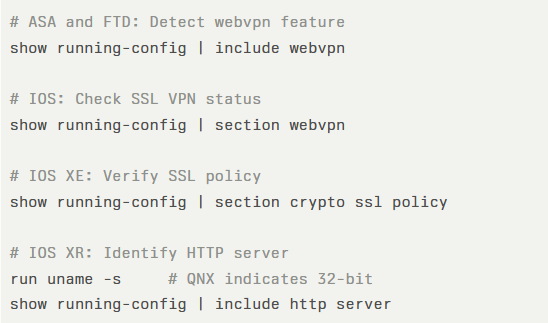
Successful exploitation yields a root shell, potentially leading to full device compromise.
Cisco acknowledges Keane O’Kelley of Cisco ASIG for discovering the defect. Coordination with ASD, CSE, NCSC, and CISA contributed to the advisory.
All ASA Series (5500-X, ASAv, Firepower 1000/2100/4100/9000, Secure Firewall 1200/3100/4200), FTD platforms, IOS routers with SSL VPN, IOS XE routers, and ASR 9001 running 32-bit IOS XR with HTTP enabled are vulnerable.
No workarounds exist. Customers must upgrade to fixed releases immediately. The advisory provides detailed fixed versions per platform under the Fixed Software section.
Risk Factors Details Affected Products Cisco Secure Firewall ASA & FTD Software, Cisco IOS Software & IOS XE Software, Cisco IOS XR Software (32-bit on ASR 9001 with HTTP server enabled) Impact Remote unauthenticated code execution as root Exploit Prerequisites SSL VPN (webvpn) or AnyConnect SSL VPN enabled CVSS 3.1 Score 9.0 (Critical) Cisco recommends using the Cisco Software Checker to identify vulnerable releases and the earliest patches. Administrators should audit device configurations to confirm SSL VPN or HTTP server status.
For ASA/FTD, verify webvpn or AnyConnect SSL VPN settings; for IOS XR, ensure run uname -s returns Linux or disable HTTP via no http server. Cisco PSIRT confirms no active exploitation in the wild.
Follow us on Google News, LinkedIn, and X for daily cybersecurity updates. Contact us to feature your stories.
The post Critical Cisco Vulnerability Let Remote Attackers Execute Arbitrary Code on Firewalls and Routers appeared first on Cyber Security News.
¶¶¶¶¶
¶¶¶¶¶
¶¶¶¶¶
¶¶¶¶¶
¶¶¶¶¶
-
Security teams worldwide have been warned after attackers began exploiting a newly discovered zero-day vulnerability in Cisco Adaptive Security Appliance (ASA) 5500-X Series firewalls. The breach allows hackers to deploy sophisticated malware, dubbed RayInitiator and LINE VIPER, potentially giving them full control of affected devices. Today, the National Cyber Security Centre (NCSC), part of GCHQ, issued detailed guidance […]
The post Hackers Exploit Cisco ASA 0-Day to Deploy RayInitiator and LINE VIPER Malware appeared first on GBHackers Security | #1 Globally Trusted Cyber Security News Platform.
¶¶¶¶¶
¶¶¶¶¶
¶¶¶¶¶
¶¶¶¶¶
¶¶¶¶¶
-
A novel AI-driven threat leverages LLMs on Hugging Face to execute adaptive reconnaissance and data exfiltration in real time. Rather than relying on static scripts or prewritten payloads, LAMEHUG dynamically queries a Qwen 2.5-Coder-32B-Instruct model via the Hugging Face API to generate Windows command-shell instructions tailored to its current environment. This capability enables on-the-fly reconnaissance, […]
The post LAMEHUG: An LLM-Driven Malware for Dynamic Reconnaissance and Data Exfiltration appeared first on GBHackers Security | #1 Globally Trusted Cyber Security News Platform.
¶¶¶¶¶
¶¶¶¶¶
¶¶¶¶¶
¶¶¶¶¶
¶¶¶¶¶
-
Cybersecurity authorities are urging organizations to take immediate action following the discovery of a sophisticated espionage campaign targeting Cisco Adaptive Security Appliance (ASA) firewalls.
In a significant update, Cisco and the UK’s National Cyber Security Centre (NCSC) have revealed that a state-sponsored threat actor is exploiting a zero-day vulnerability (CVE-2025-20333) in Cisco ASA 5500-X series devices to deploy advanced malware, execute commands, and exfiltrate sensitive data.
The NCSC has published a detailed analysis of the malware involved, a toolset comprising a bootkit named RayInitiator and a memory-resident payload called LINE VIPER.
The campaign represents a “significant evolution” in tactics compared to previous attacks, demonstrating the actor’s deep expertise and improved operational security.
A Sophisticated and Persistent Threat
The attack begins with the deployment of RayInitiator, a highly persistent, multi-stage bootkit that flashes itself to the device’s Grand Unified Bootloader (GRUB).
This allows the malware to survive system reboots and even firmware upgrades, establishing a permanent foothold on the compromised firewall.
RayInitiator specifically targets Cisco ASA models that lack secure boot technology, many of which are approaching their end-of-life dates. Its primary function is to create a pathway for the main payload.
Once persistence is achieved, the attackers deploy LINE VIPER, a versatile shellcode loader that executes directly in the device’s memory. LINE VIPER grants the threat actor extensive control over the compromised system, with capabilities including:
- Command Execution: Running arbitrary commands with the highest privilege level (level 15).ncsc-mar-rayinitiator-line-viper.pdf
- Data Exfiltration: Performing covert packet captures of sensitive network traffic, such as RADIUS, LDAP, and TACACS authentication protocols, to harvest credentials.
- Defense Evasion: Suppressing specific syslog messages to hide malicious activity from administrators and employing anti-forensics techniques that can reboot the device if a memory dump or certain analysis commands are attempted.
- Access Bypass: Maintaining a list of actor-controlled devices to bypass Authentication, Authorization, and Accounting (AAA) checks.
The malware’s command-and-control (C2) communications are heavily encrypted and difficult to detect. The primary method uses HTTPS WebVPN client authentication sessions, with victim-specific tokens and RSA keys securing the connection.
A secondary C2 channel utilizes ICMP requests tunneled within a VPN session, with exfiltrated data sent back over raw TCP packets.
Mitigations
Both Cisco and the NCSC are urging network defenders to address this threat immediately.
In a security advisory, Cisco has provided guidance for remediation and released patches to address the vulnerabilities. Organizations are strongly advised to apply these security updates without delay.
The NCSC calls on administrators using affected products to urgently investigate for signs of compromise, using the YARA rules and detection guidance provided in its malware analysis report.
One key indicator of a LINE VIPER infection is the device rebooting immediately when an administrator attempts to generate a core dump for forensic analysis.
A critical concern highlighted by the NCSC is the use of obsolete hardware. Many of the targeted Cisco ASA 5500-X series models will be out of support in September 2025 and August 2026.
The NCSC strongly recommends that organizations replace or upgrade these end-of-life devices, as they present a significant and inherent security risk. Any suspected compromises should be reported to the NCSC or the appropriate national cybersecurity agency.
Follow us on Google News, LinkedIn, and X for daily cybersecurity updates. Contact us to feature your stories.
The post Hackers Exploiting Cisco ASA Zero-Day to Deploy RayInitiator and LINE VIPER Malware appeared first on Cyber Security News.
¶¶¶¶¶
¶¶¶¶¶
¶¶¶¶¶
¶¶¶¶¶
¶¶¶¶¶
-
Cisco published Security Advisory cisco-sa-http-code-exec-WmfP3h3O revealing a severe flaw in multiple Cisco platforms that handle HTTP-based management. Tracked as CVE-2025-20363, this vulnerability stems from improper validation of user-supplied input in HTTP requests. CVE Affected Products Impact CVSS 3.1 Score CVE-2025-20363 Secure Firewall ASA & FTD with SSL VPN or MUS enabled; IOS/IOS XE with Remote […]
The post Critical Cisco Flaw Lets Remote Attackers Execute Code on Firewalls and Routers appeared first on GBHackers Security | #1 Globally Trusted Cyber Security News Platform.
¶¶¶¶¶
¶¶¶¶¶
¶¶¶¶¶
¶¶¶¶¶
¶¶¶¶¶
-
Cybersecurity researchers have discovered an advanced variant of the XCSSET malware specifically targeting macOS developers through infected Xcode projects, introducing sophisticated clipboard hijacking and enhanced data exfiltration capabilities. Microsoft Threat Intelligence has identified yet another XCSSET variant in the wild that introduces further updates and new modules beyond those detailed in previous security analyses. The […]
The post New XCSSET Malware Variant Targets macOS App Developers appeared first on GBHackers Security | #1 Globally Trusted Cyber Security News Platform.
¶¶¶¶¶
¶¶¶¶¶
¶¶¶¶¶
¶¶¶¶¶
¶¶¶¶¶
