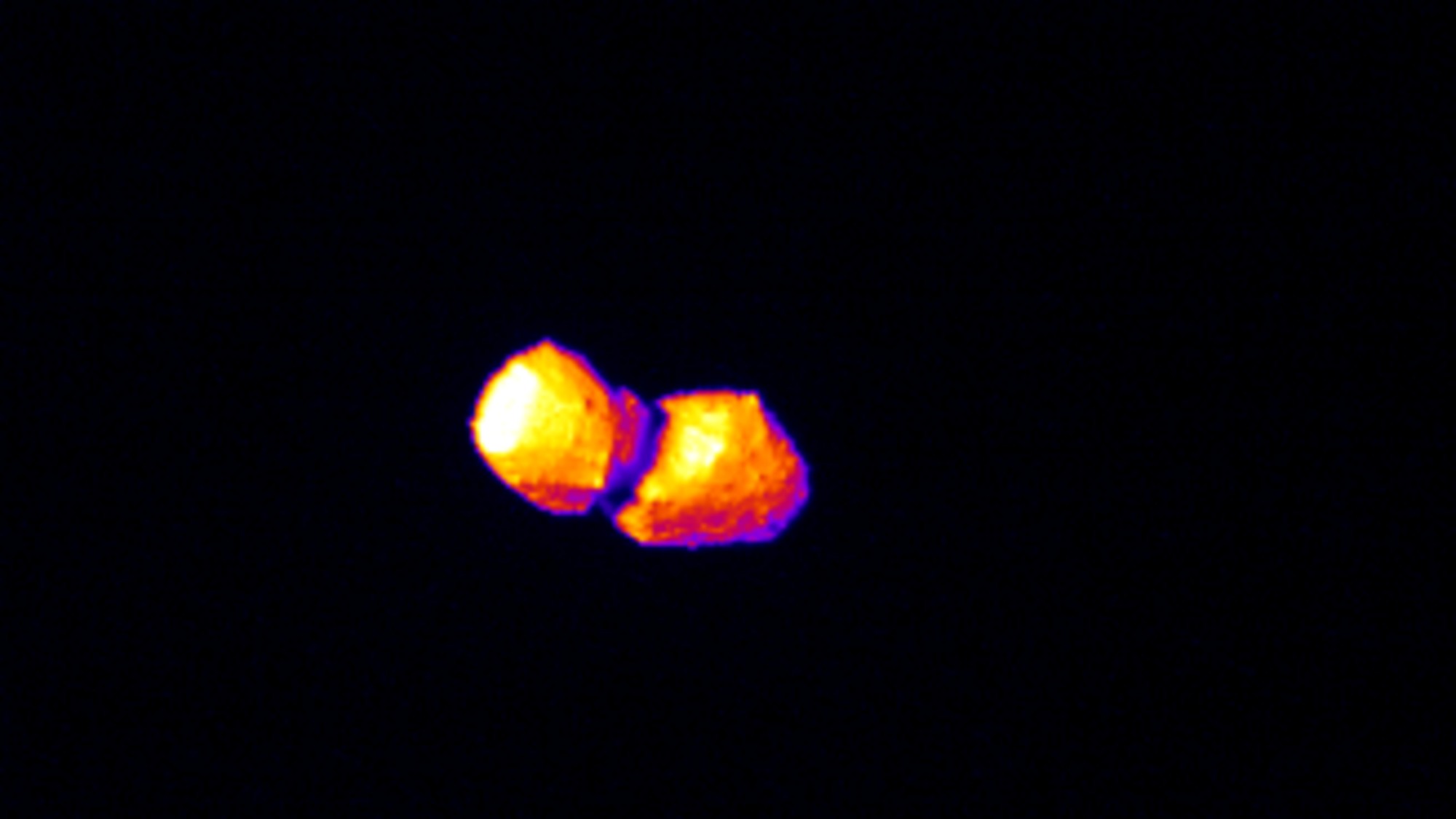
Japan’s Hayabusa2 spacecraft returned spectacular images of a near-Earth asteroid following a super-close flyby on July 5, but heated debate was needed before teams signed off on the daring attempt.
The country’s plans include spacecraft designed to detect asteroids coming from the direction of the sun, which has long been a space-rock blind spot.
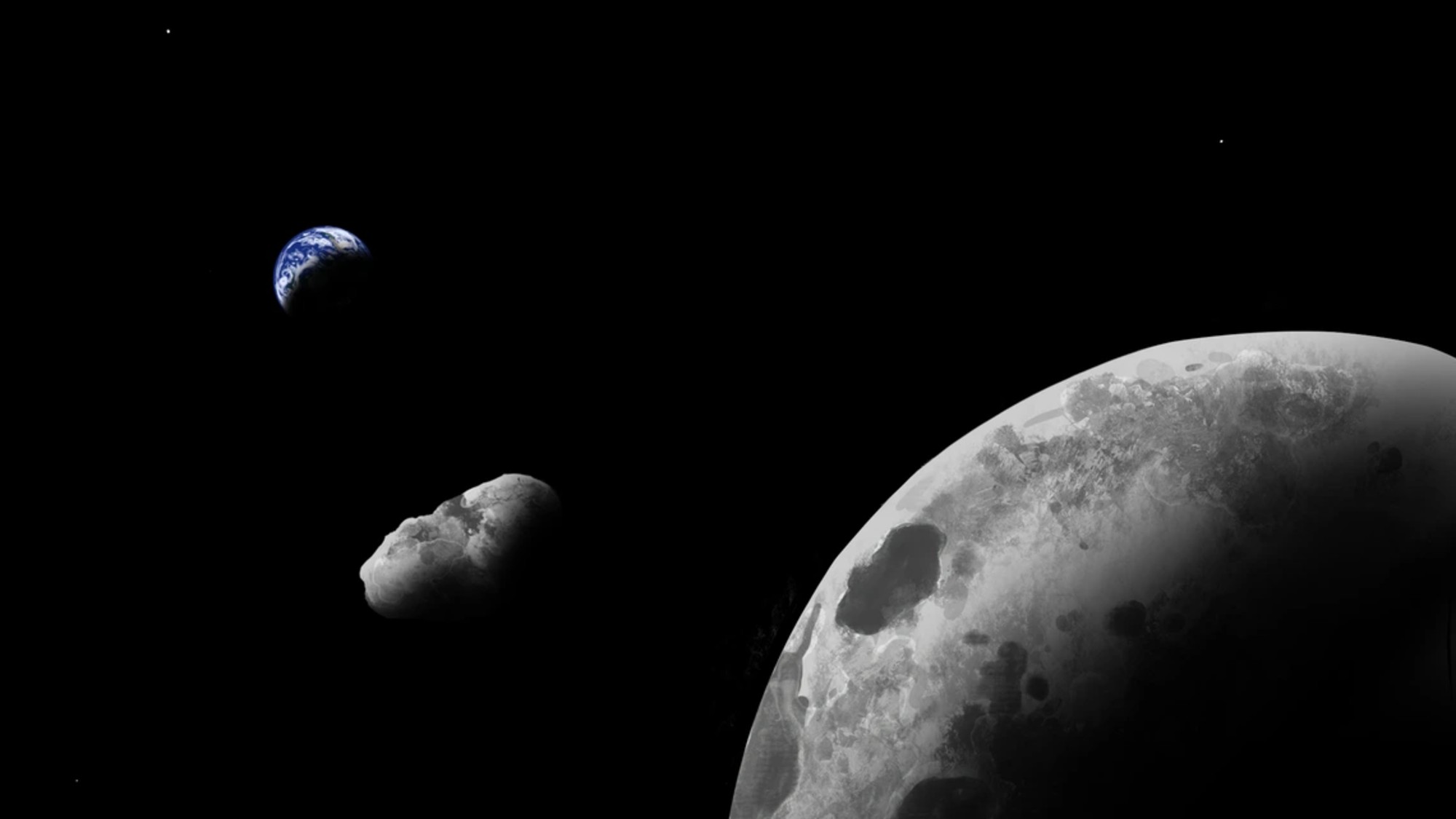
China’s Tianwen-2 probe beamed home a photo of its target, asteroid 2016HO3, also known as quasi-moon Kamo’oalewa.
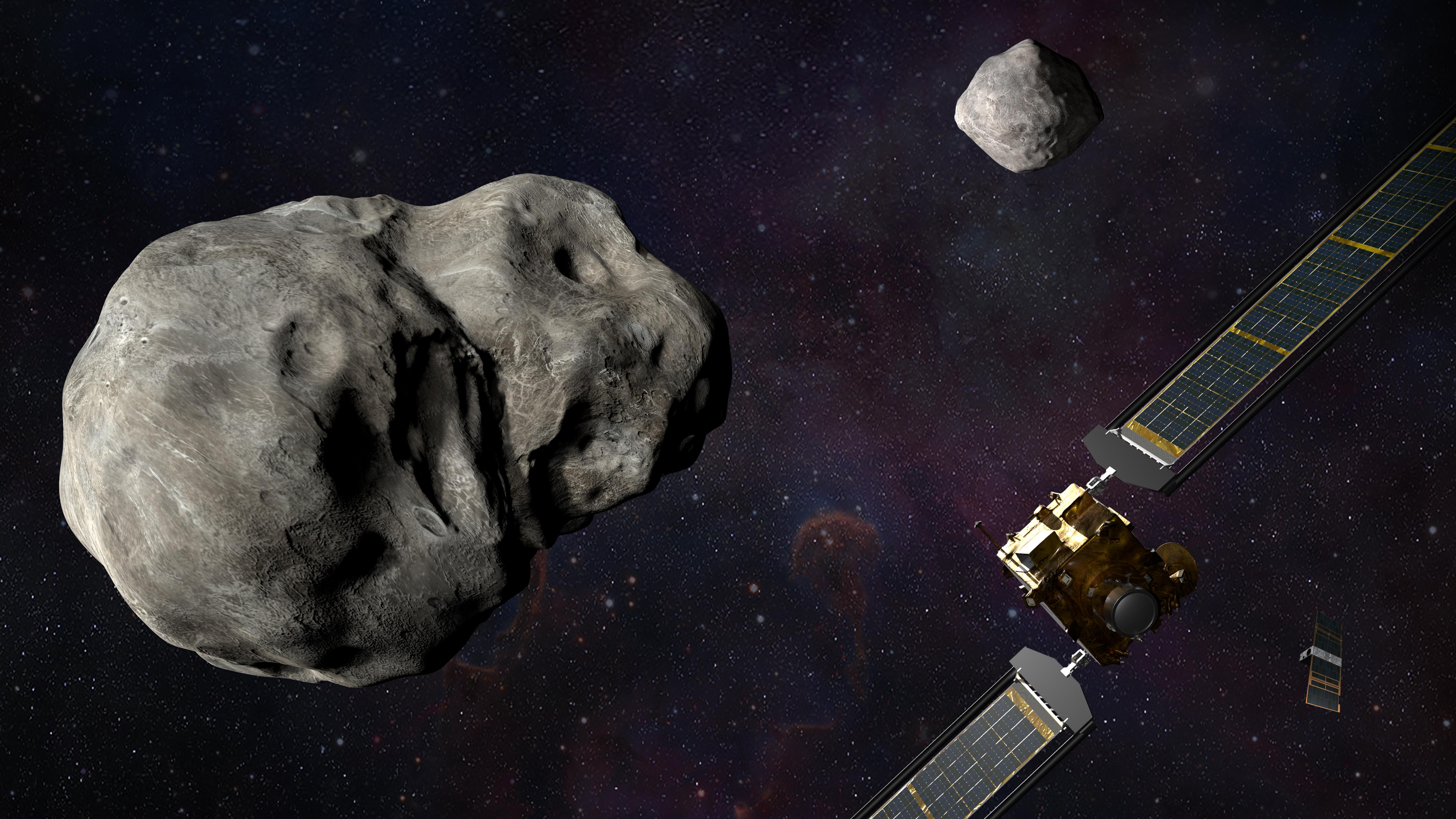
While no imminent asteroid threats have been found for Earth, Chinese scientists discussed two ways to deflect a space rock in case of trouble.
Japan’s Hayabusa2 asteroid probe got up close to asteroid Torifune on July 5 and captured stunning new images of the double-lobed space rock.
Plotting the optimal trajectory to visit multiple asteroids is a fiendishly difficult take on the Traveling Salesperson problem, but a new mathematical approach has succeeded in solving it.
…
NASA’s Psyche flyby of Mars highlights how gravity assists help spacecraft gain speed, conserve fuel and travel across the solar system.
…
NASA’s asteroid-bound spacecraft Psyche is headed for an encounter with Mars on Friday (May 15) to get a boost from the Red Planet.
…
Exploration Labs has proposed the first commercial deep space ride share mission, known as Apophis EX, to rendezvous with potentially hazardous asteroid Apophis.
…
Comet MAPS is about to face its ultimate test as it sweeps just 101,000 miles above the sun’s surface.