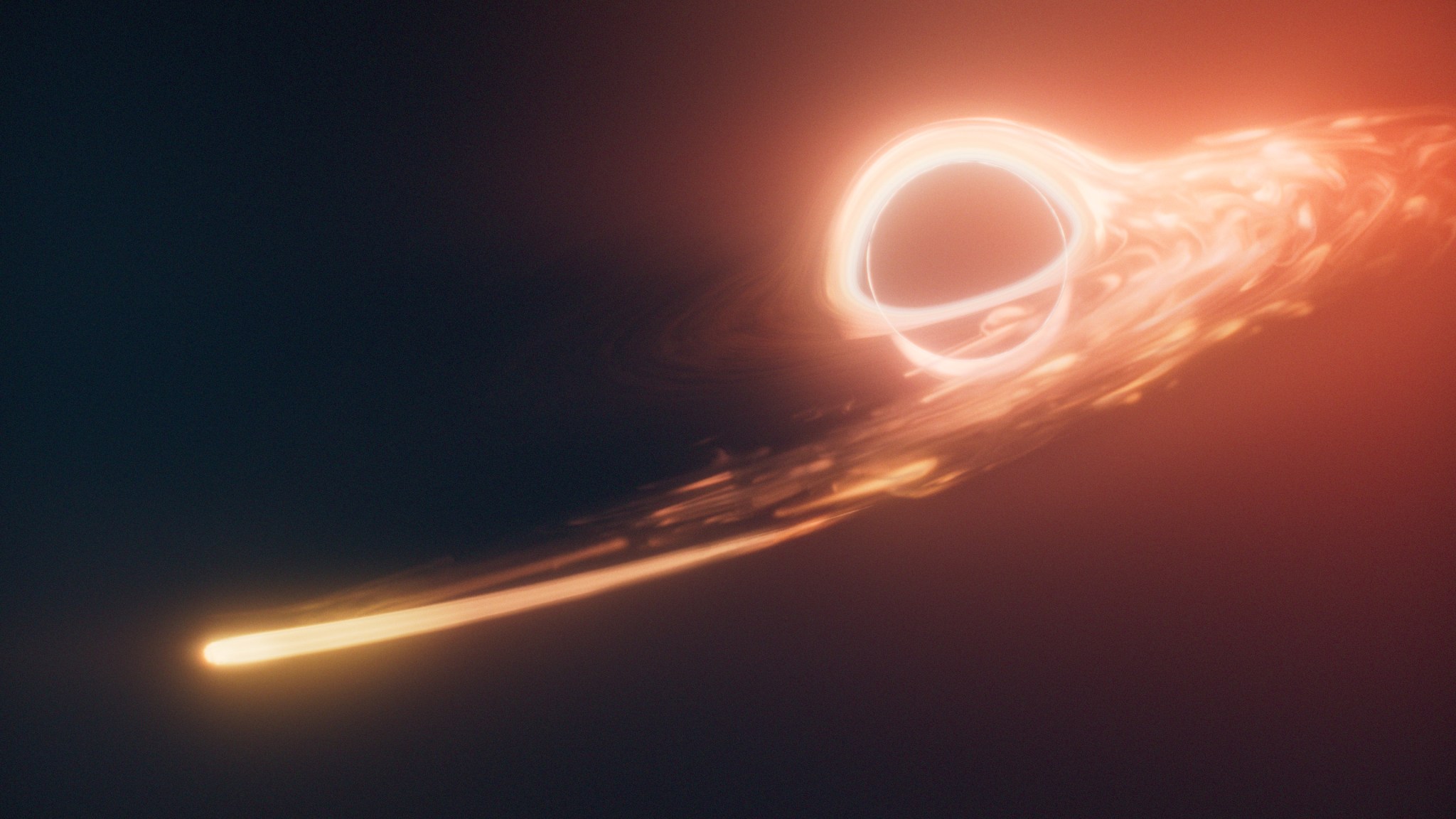
Lee esta nota de prensa en español aquí. How do black holes at the center of galaxies form and grow over time? To answer this question, scientists need to detect and study supermassive black holes at great distances, which existed much earlier in the universe’s history. New research suggests NASA’s Nancy Grace Roman Space Telescope, which […]
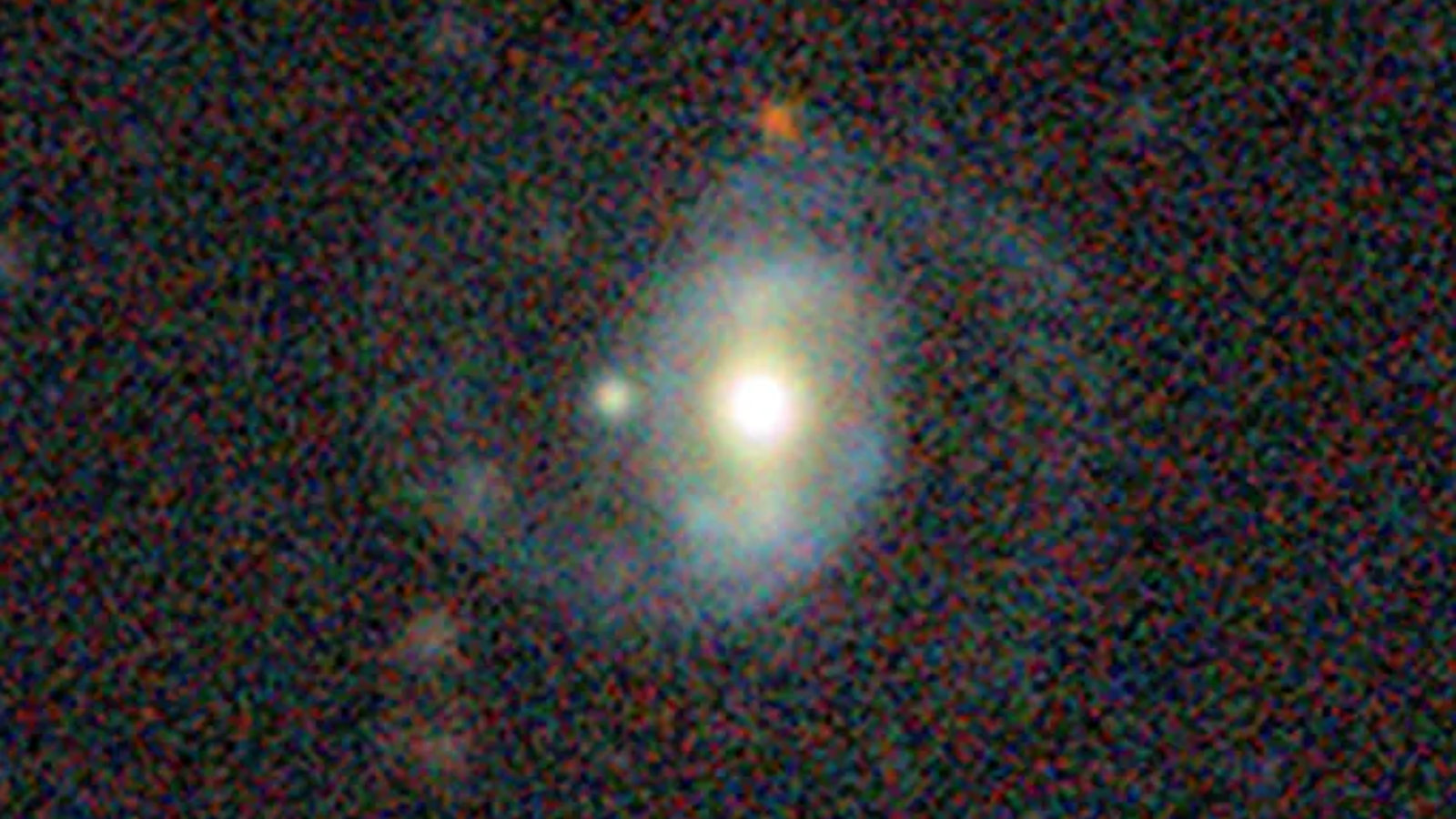
A feeding black hole at the heart of a nearby galaxy is behaving similarly to cosmic titans that existed just after the Big Bang.
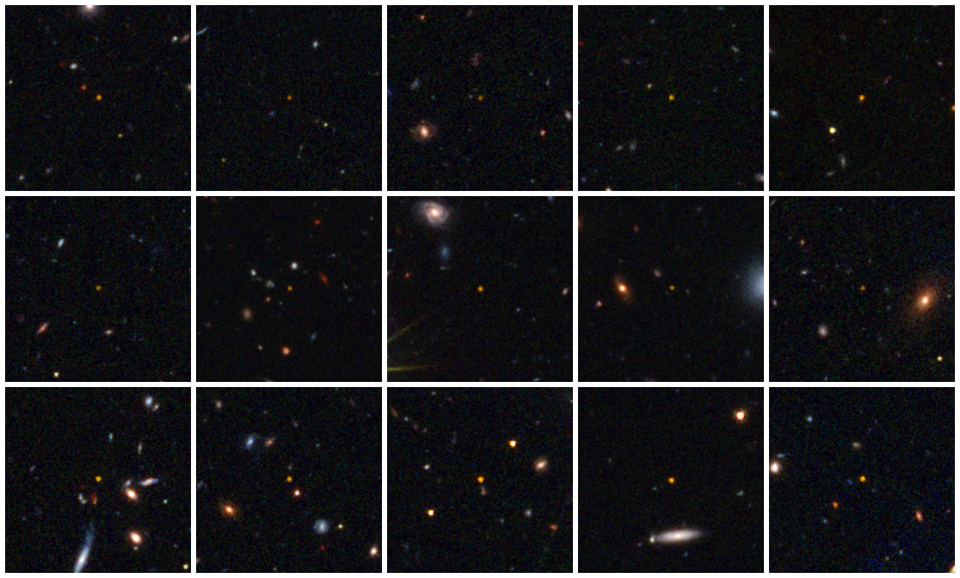
Using the ESA’s Euclid space telescope, astronomers have discovered a treasure trove of black hole-powered quasars in the early universe, including the most ancient and distant ever seen.
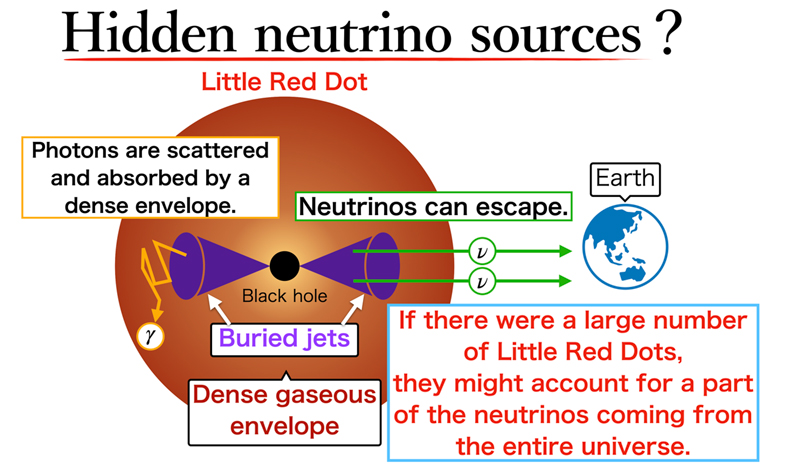
Mysterious “little red dots” discovered in the early universe by the James Webb Space Telescope could harbor buried black holes that fire high-energy neutrinos through the cosmos.
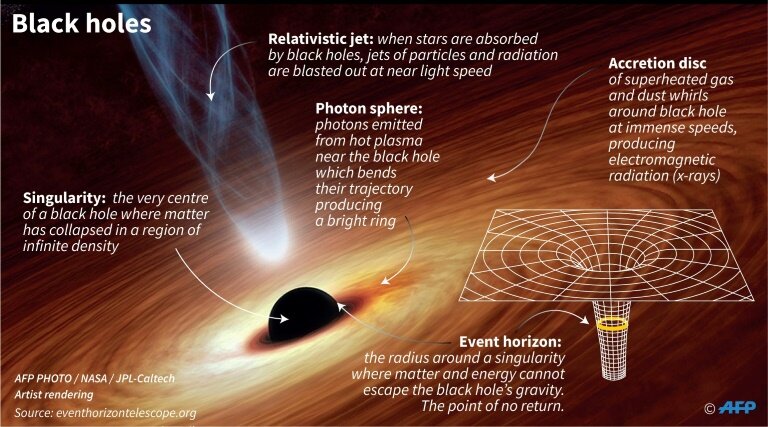
The loudest crash of gravitational waves ever heard provides an intriguing way of studying event horizons, the boundaries at which nothing can escape the grip of these cosmic titans.
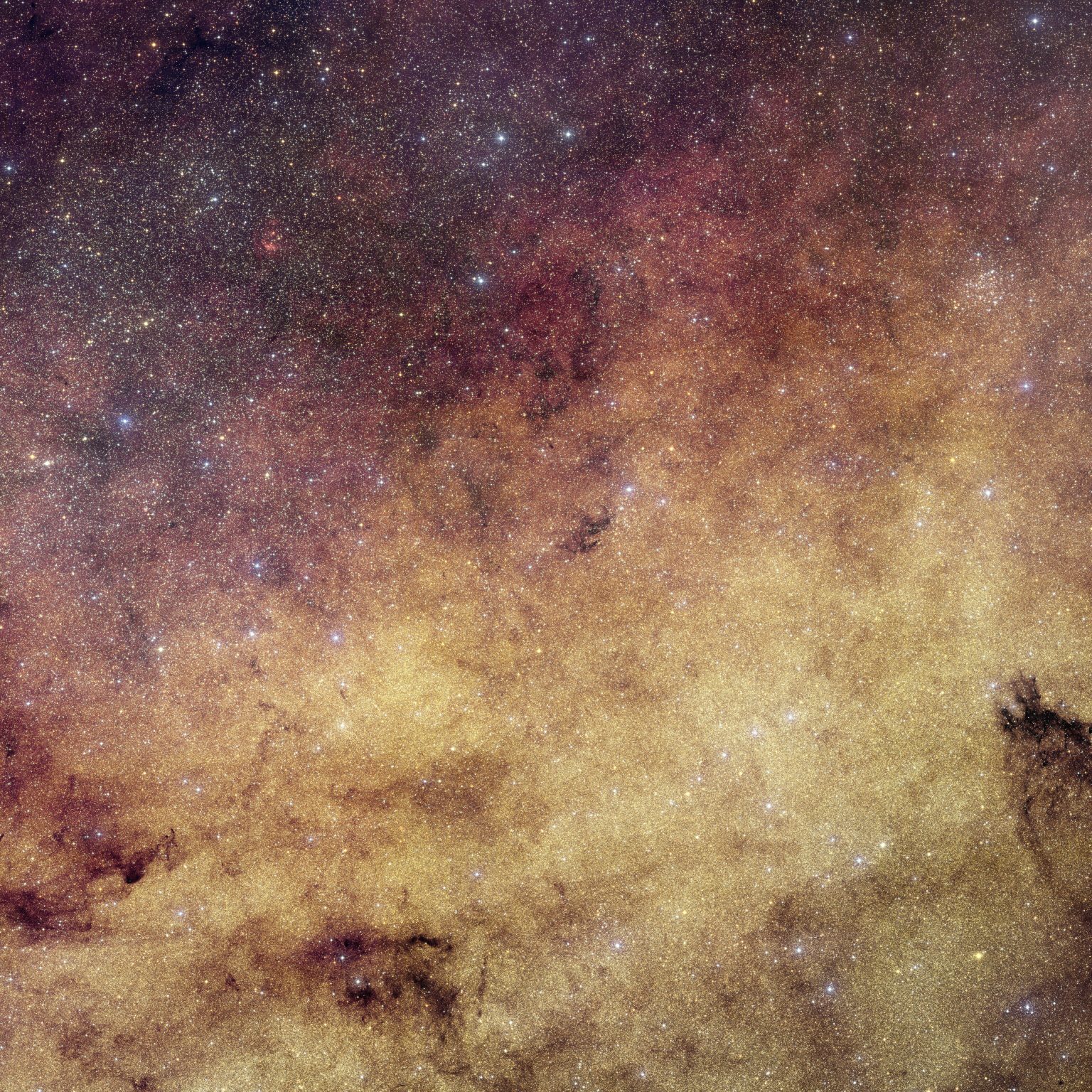
A new look at the heart of our Milky Way galaxy by Euclid, an ESA (European Space Agency) mission with NASA contributions, overlaps with a region scientists will observe with NASA’s Nancy Grace Roman Space Telescope, launching later this summer. This sneak peek gives astronomers a major jumpstart on a core Roman survey, helping scientists […]
A new study reveals why black holes let out massive radio “burps” years after eating stars, giving astronomers a chemical blueprint to predict them early.
…
“We could already see changes in the jet, but never with this level of detail in X-rays.”
The quasar existed 12.9 billion years ago and shows that supermassive black holes were able to age rapidly in the early universe.
…
Astronomers using the James Webb Space Telescope may be close to solving the mystery of “little red dots” in the early universe.
…