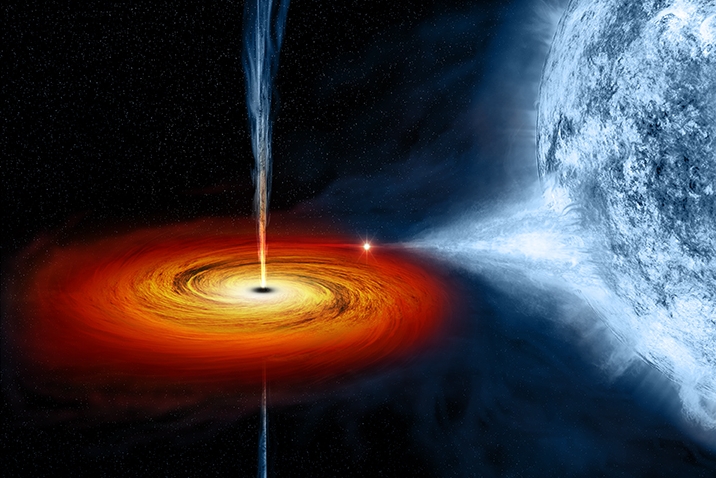
Astronomers have discovered that the feeding frenzy of a distant black hole ended with a windy outburst.
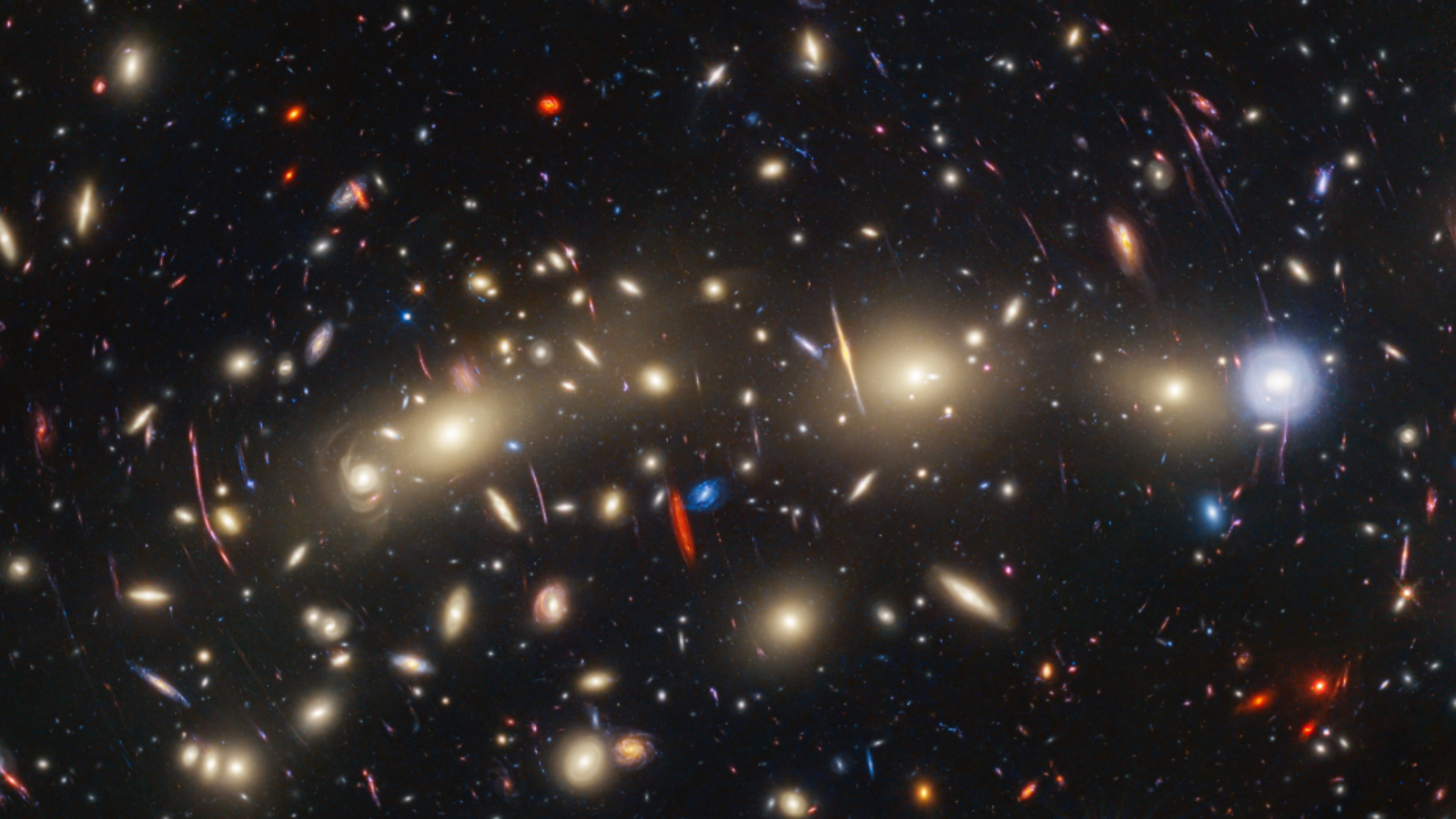
Astronomers found seven rare quasar gravitational lens candidates using AI, providing a powerful new tool for studying black hole and galaxy evolution.
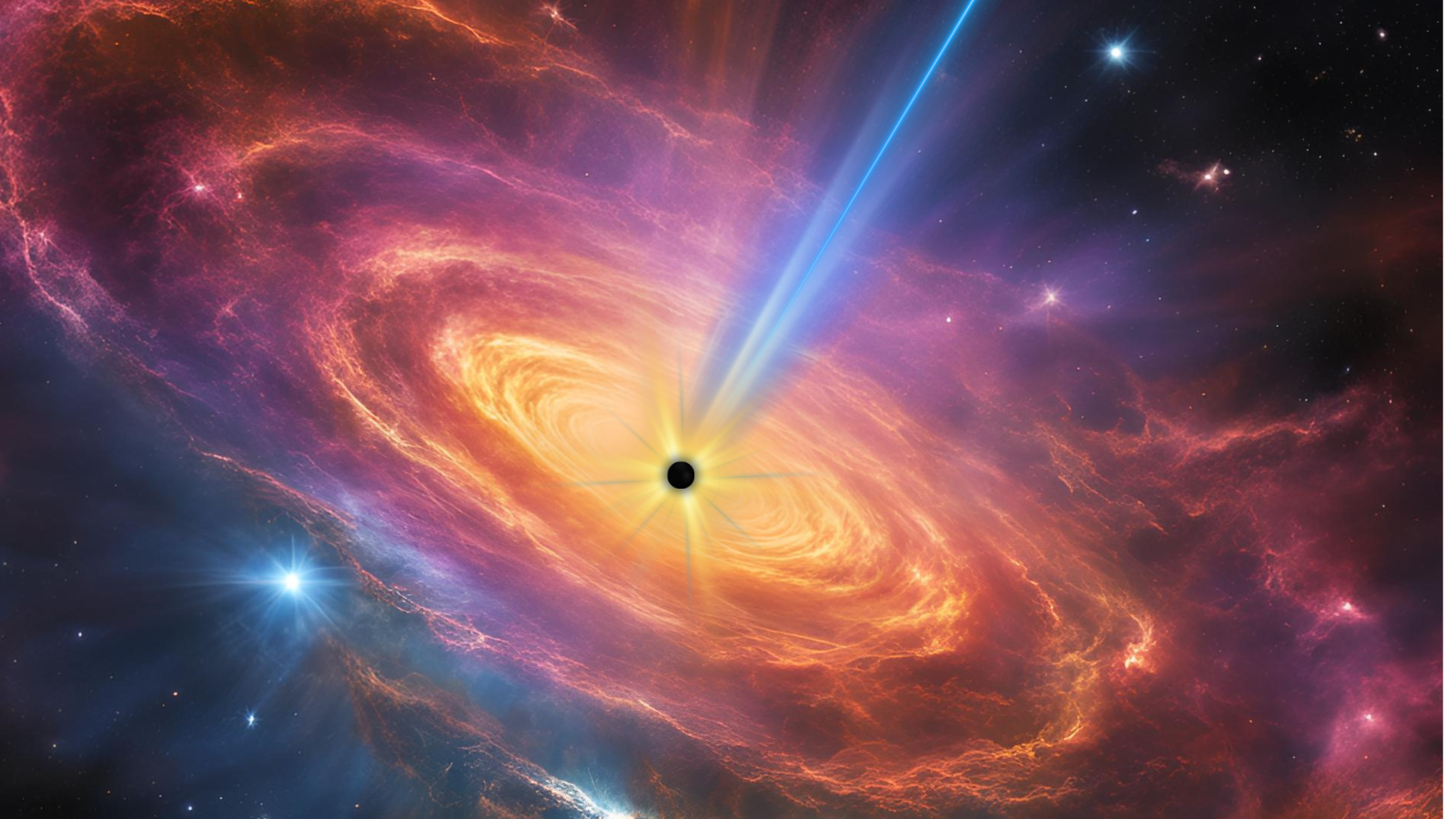
Astronomers have spotted the blisteringly hot exhaust fumes of the earliest quasars, intensely bright cosmic titans powered by feeding supermassive black holes.

NASA’s Neil Gehrels Swift Observatory captured an “orphan” black hole lighting up as it devoured a star on the outskirts of a faraway galaxy. These phenomena are rare to begin with, and none had ever before been seen so far outside of a galaxy’s core. “We were looking for these star-shredding events as a way […]
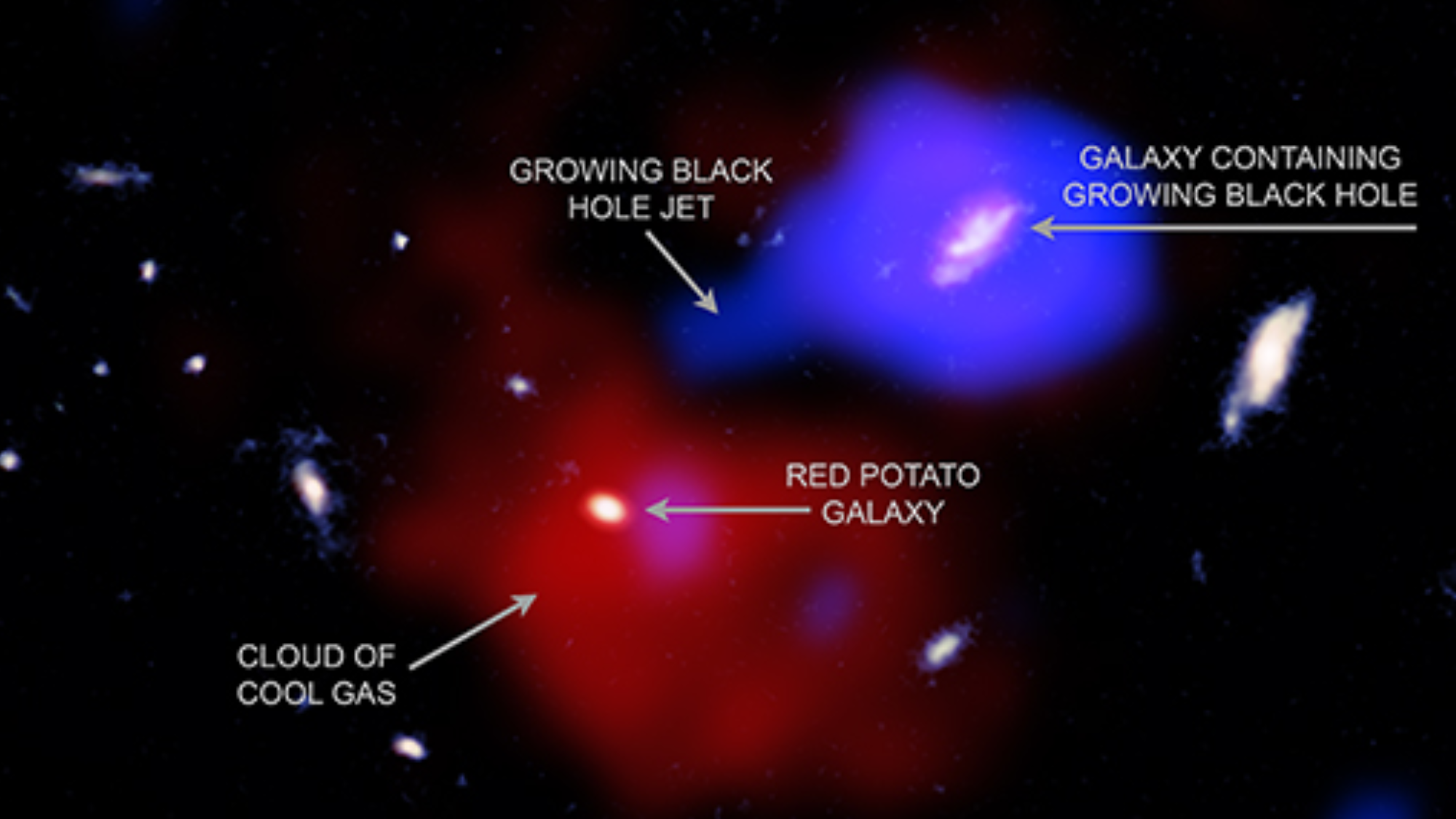
Using the Chandra X-ray spacecraft, astronomers have seen a jet from a feeding supermassive black hole churning gas surrounding a galaxy nicknamed the “red potato.”
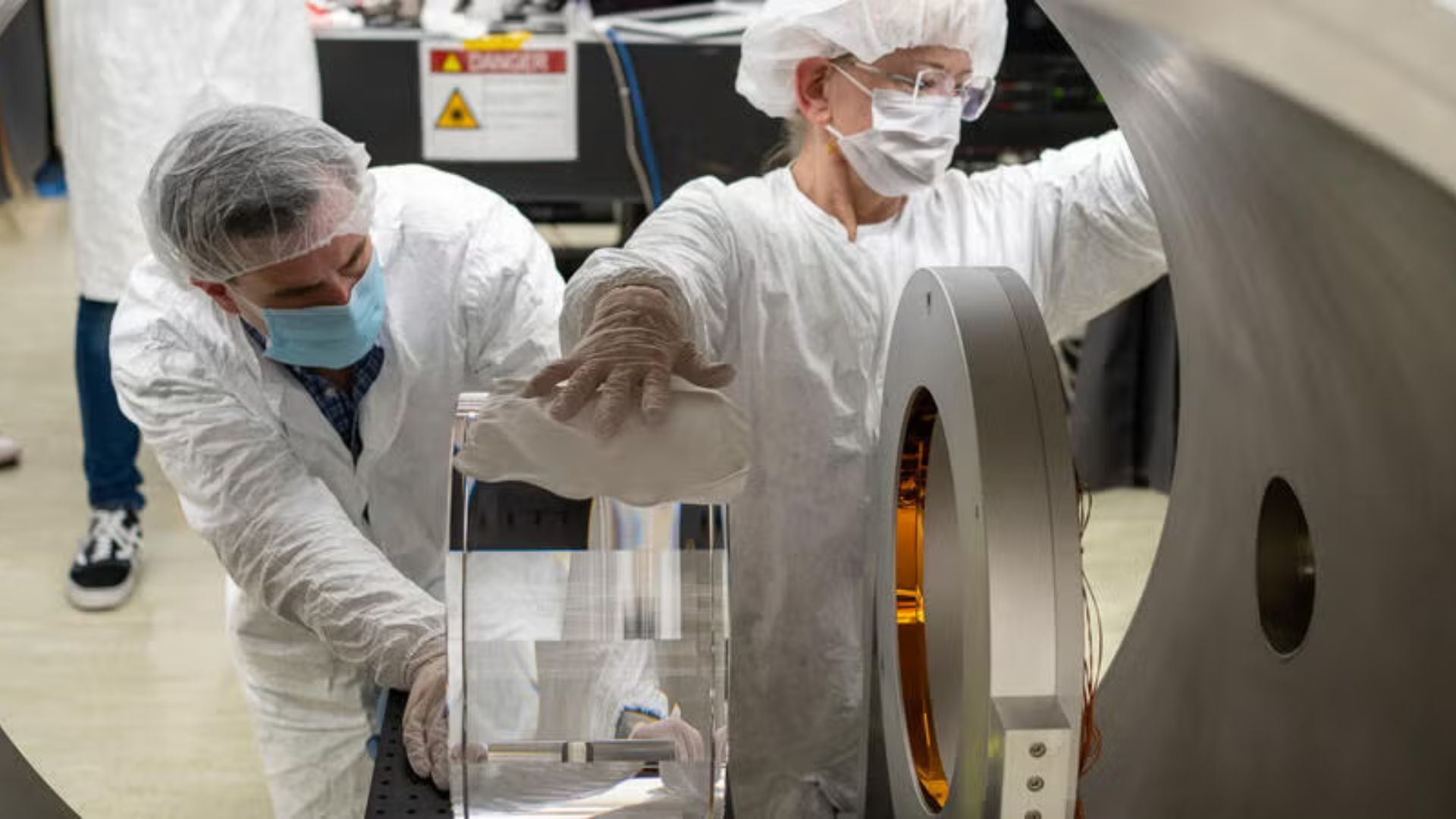
“It doesn’t require any new technology development, which is almost unheard of for solving a LIGO instrumentation problem.”
NASA’s next super telescope, the Nancy Grace Roman Space Telescope, may leave nowhere to hide for black holes that violently murder and devour stars, not even cosmic noon.
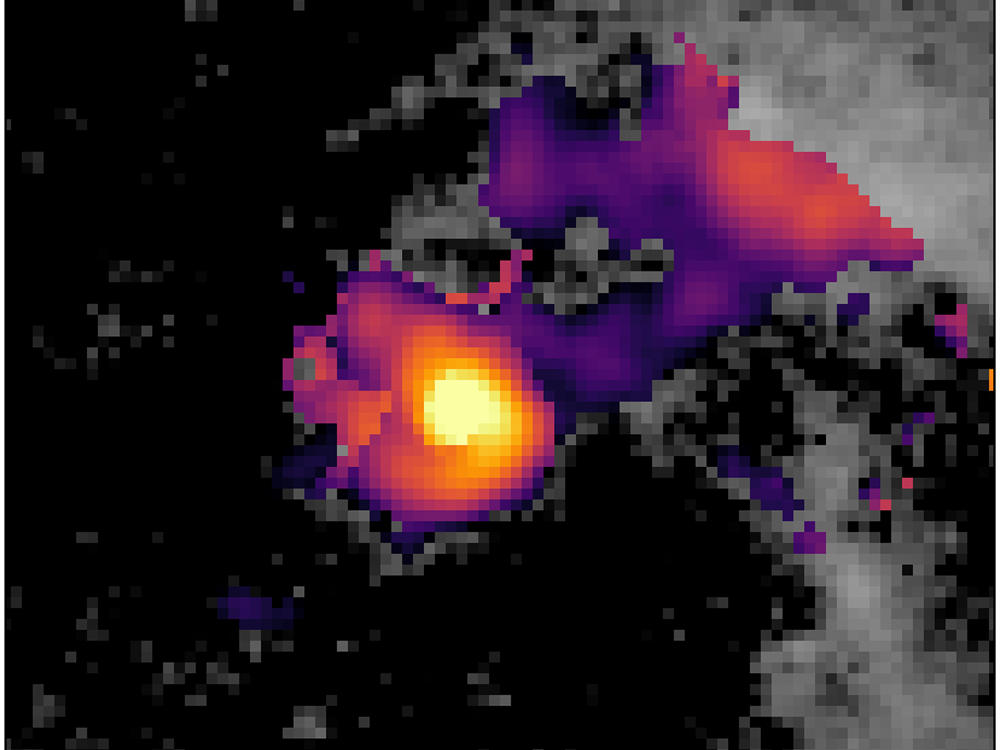
Using the James Webb Space Telescope (JWST), astronomers have gotten a glimpse at the mechanisms that supermassive black holes use to feed themselves.
“Hawking’s laws of black hole mechanics provided a satisfying connection between extreme and ordinary physics and have been the paradigm for 50 years, but they have a serious limitation.”
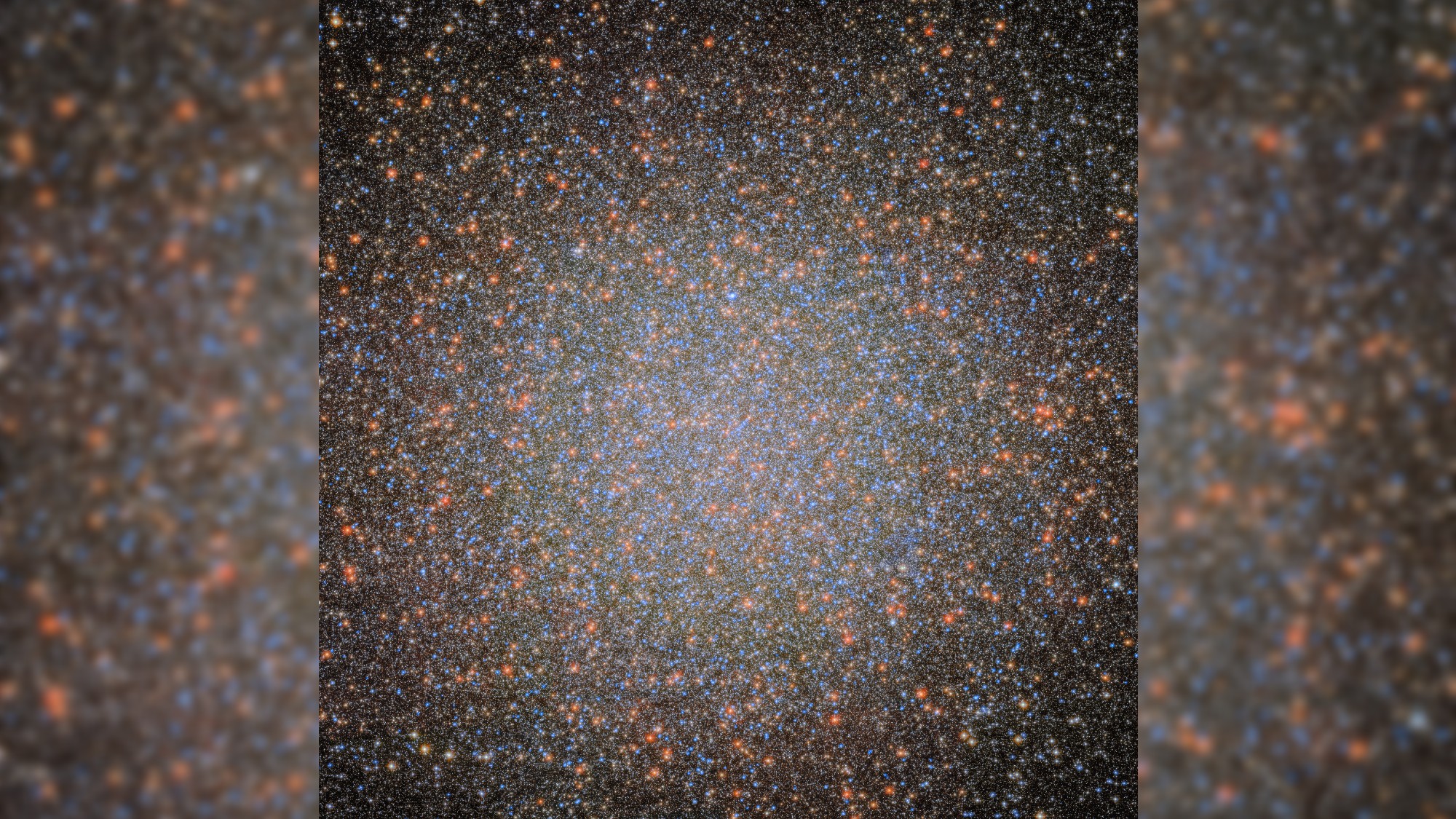
The first of 10,000 missing black holes in the Omega Centauri globular cluster has been found thanks to teamwork by the Hubble and James Webb space telescopes.