Intel is using ASML’s High-NA EUV tools to pattern select Panther Lake layers, marking the technology’s first use in high-volume logic production
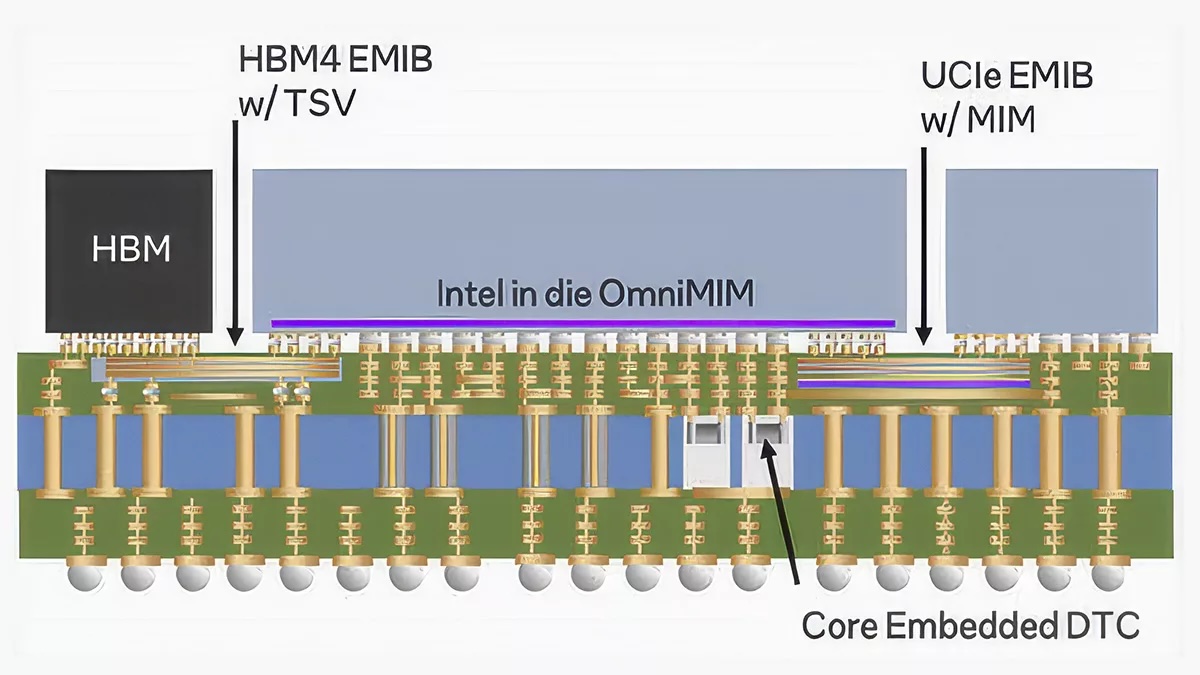
Google has reportedly chosen Intel’s EMIB-T over TSMC’s CoWoS-L for its next-generation TPU, codenamed Humufish. But will Google be alone in its alleged decision?
Researchers created a programmable thermal material that steers heat and retains its state without power, a breakthrough that could benefit AI chips, silicon photonics, and infrared devices.
Running until 2035, the $250 billion spending target is attached to a goal of making 40% of Micron’s DRAM in the U.S. by the mid-2030s.
Intel has unveiled Starfire, a space-grade system-on-chip designed for the U.S. government.
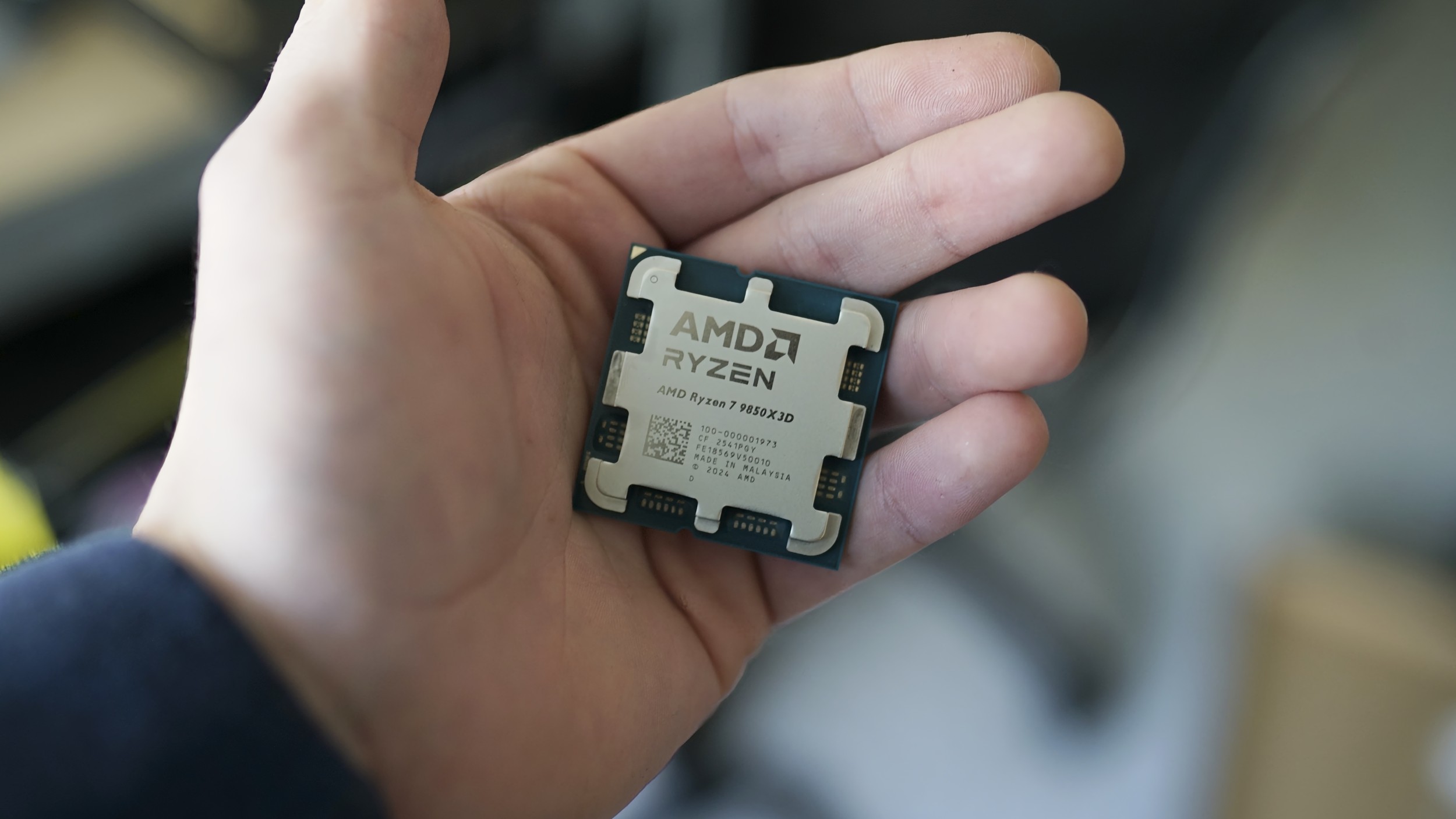
Apple’s planned M7 Ultra chip is being designed to support up to 1.5 TB of unified memory and to push AI performance toward the class of Nvidia’s Blackwell accelerators.
SK hynix raised $26.5 billion in a record-breaking Nasdaq IPO, as it plans to channel the windfall from surging AI demand and sold-out HBM supply to fund new fabs.
Japanese chipmaker Rapidus discloses one more aspect of its strategy: to offer lower quotes than TSMC.
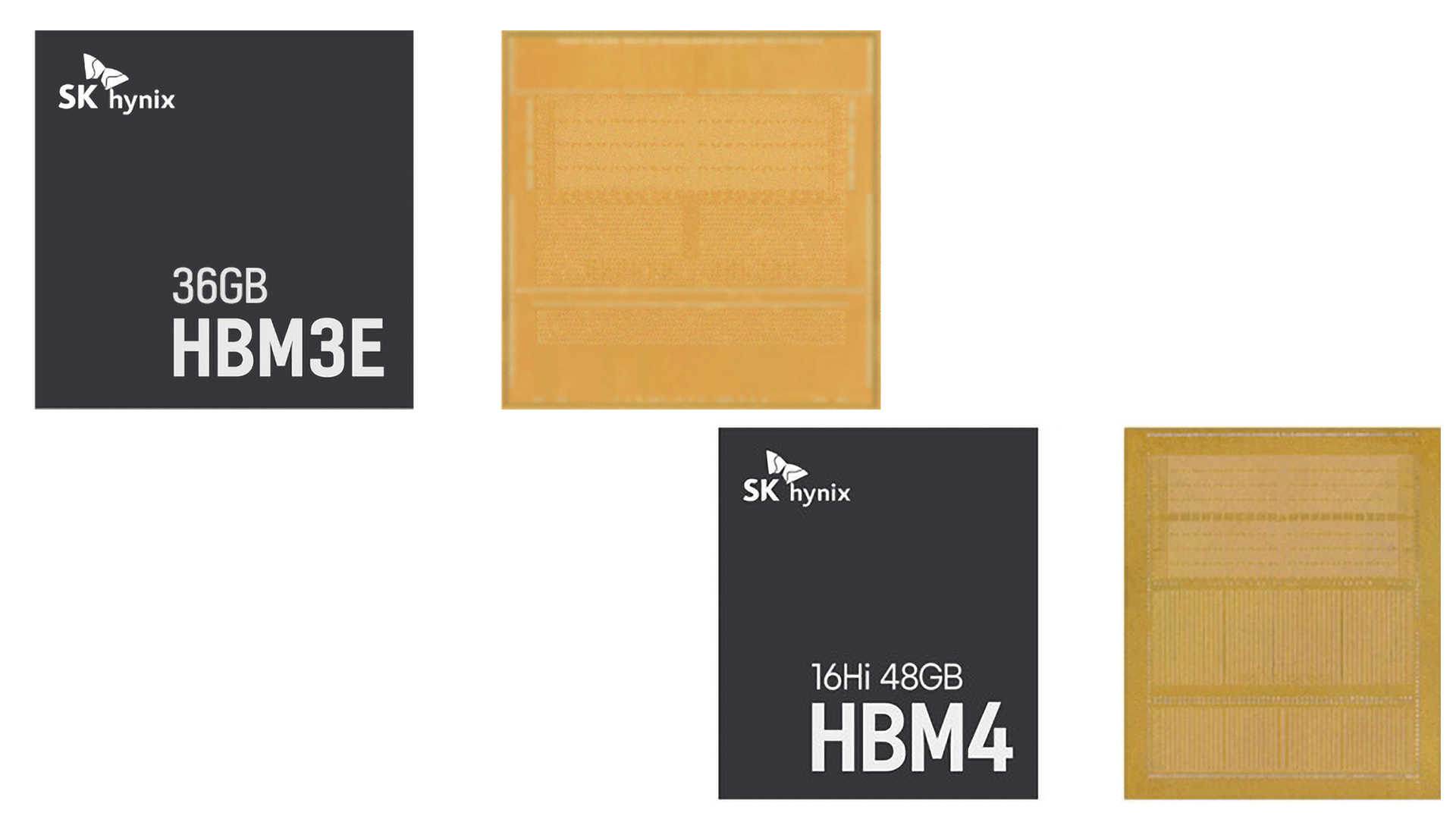
Researchers in Korea and Japan have proposed sideways-stacked DRAM designs that could push future AI memory beyond conventional HBM limits by improving cooling, bandwidth, and capacity while reducing reliance on TSV-heavy vertical stacks.
Micron has said it will invest up to $3 billion in the US semiconductor supply chain, with $500 million of that going to GlobalWafers.