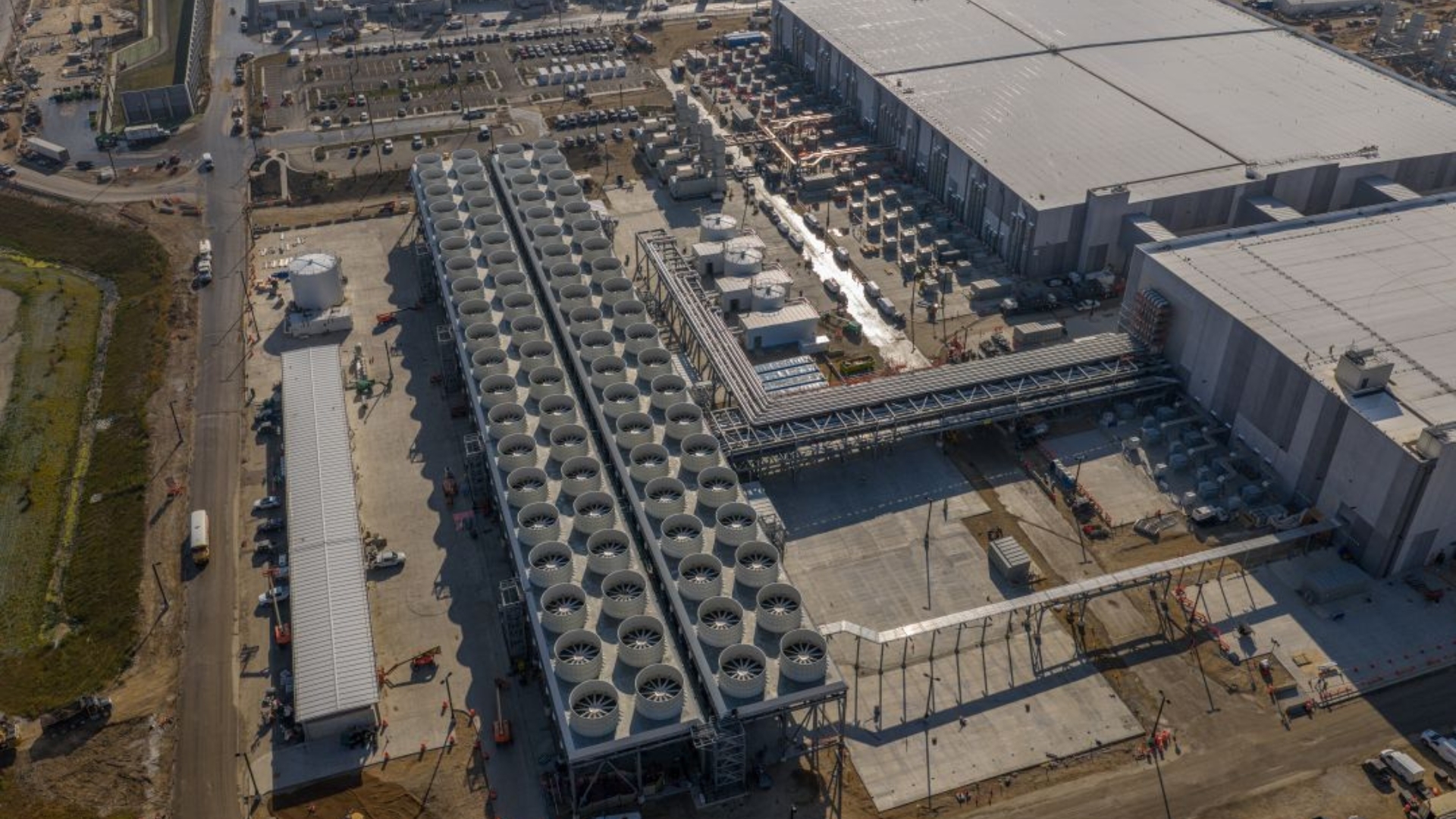
Sources say that the FCC is drafting a ban on optical transceivers for data centers. These components, which convert electrical signals into light signals, are said to pose a risk as they can be used to steal data, install malware, or disrupt data center operations in the U.S.
Gov. Greg Abbott (R) instructed PUCT and ERCOT to pause all data center applications until they complete an audit on all the information that data center developers must submit. The move reportedly came after PUCT asked 377 data center operators to submit water and power use, of which only 28 complied.
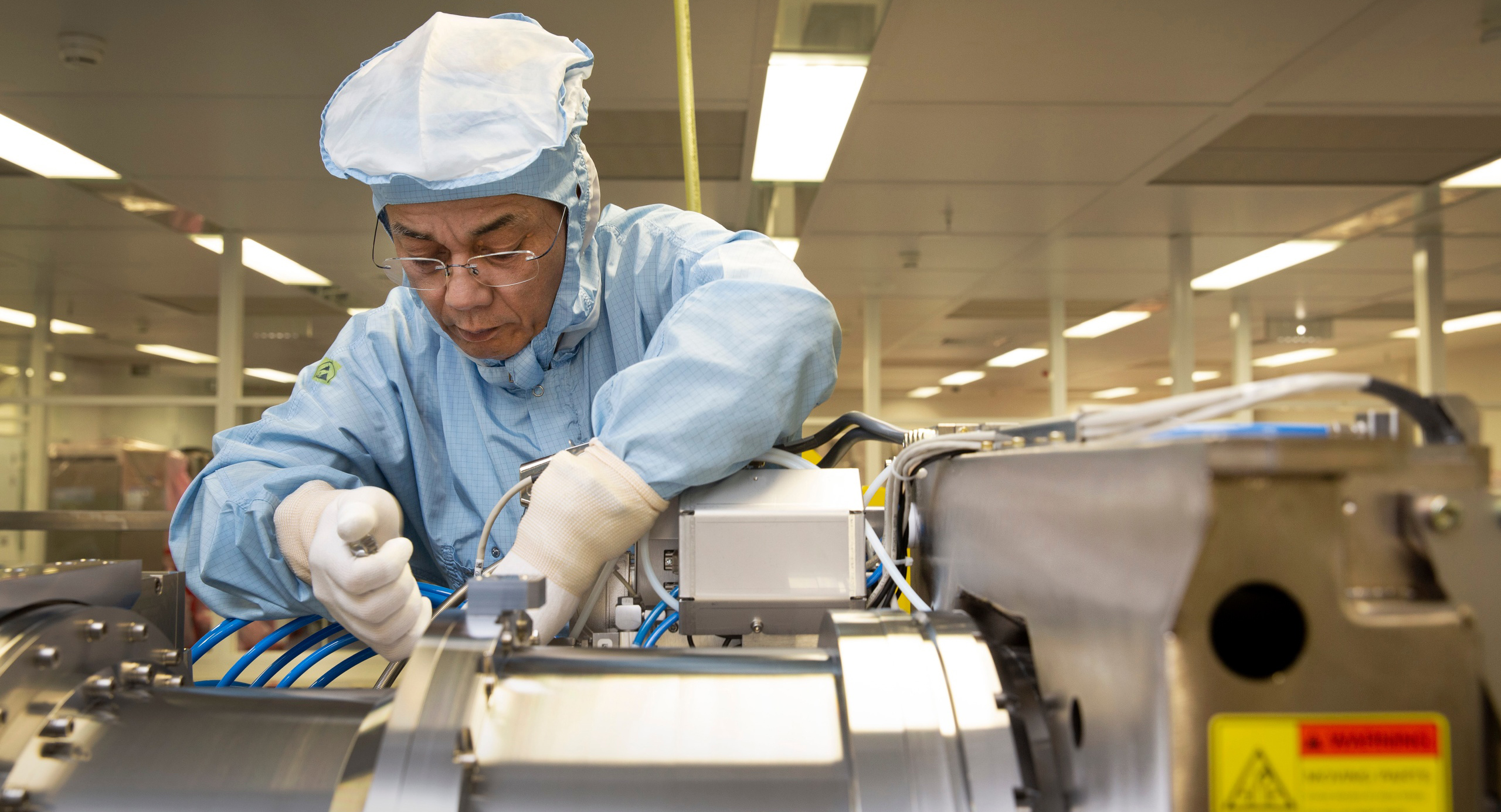
Ultimately, three markers will indicate whether China’s domestic DUV program is a legitimate rival or yet more state-sanctioned hot air.
Data center protesters are getting arrested for minor infractions, yet they continue pushing back against these projects. Aside from the arrests, there’s also at least 12 instances (probably more) where the police were called to intervene between politicians and protesters.
OpenAI denies Apple’s allegations in a blog post. The company claims that it doesn’t have and even doesn’t want its rivals trade secrets.
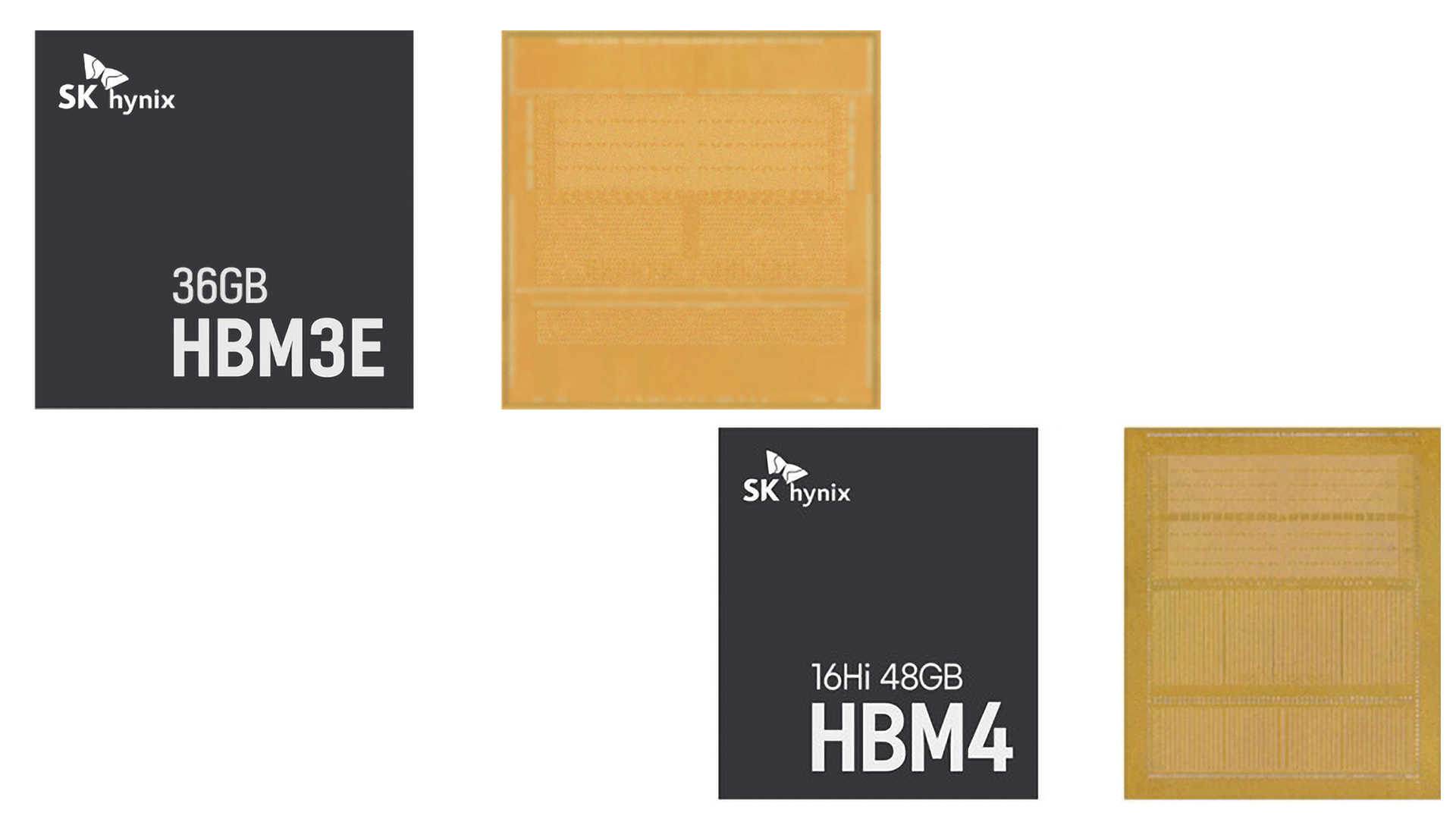
A new report claims that HP, Asus, and Acer have started to use a small amount of CXMT memory chips in notebooks for non-US markets.
China tightens legal protections for domestically developed chip layout designs by raising originality requirements and strengthening infringement penalties.
All major AI developers are cutting prices to compete with impressive new releases from China. But as they shave margins to remain competitive, the profits they’ll need to fulfil investment confidence may end up further out of reach.

July drone flyovers of Elon Musk’s Advanced Technology Chip Fab in Texas appear to confirm progress has ‘hit another gear.’
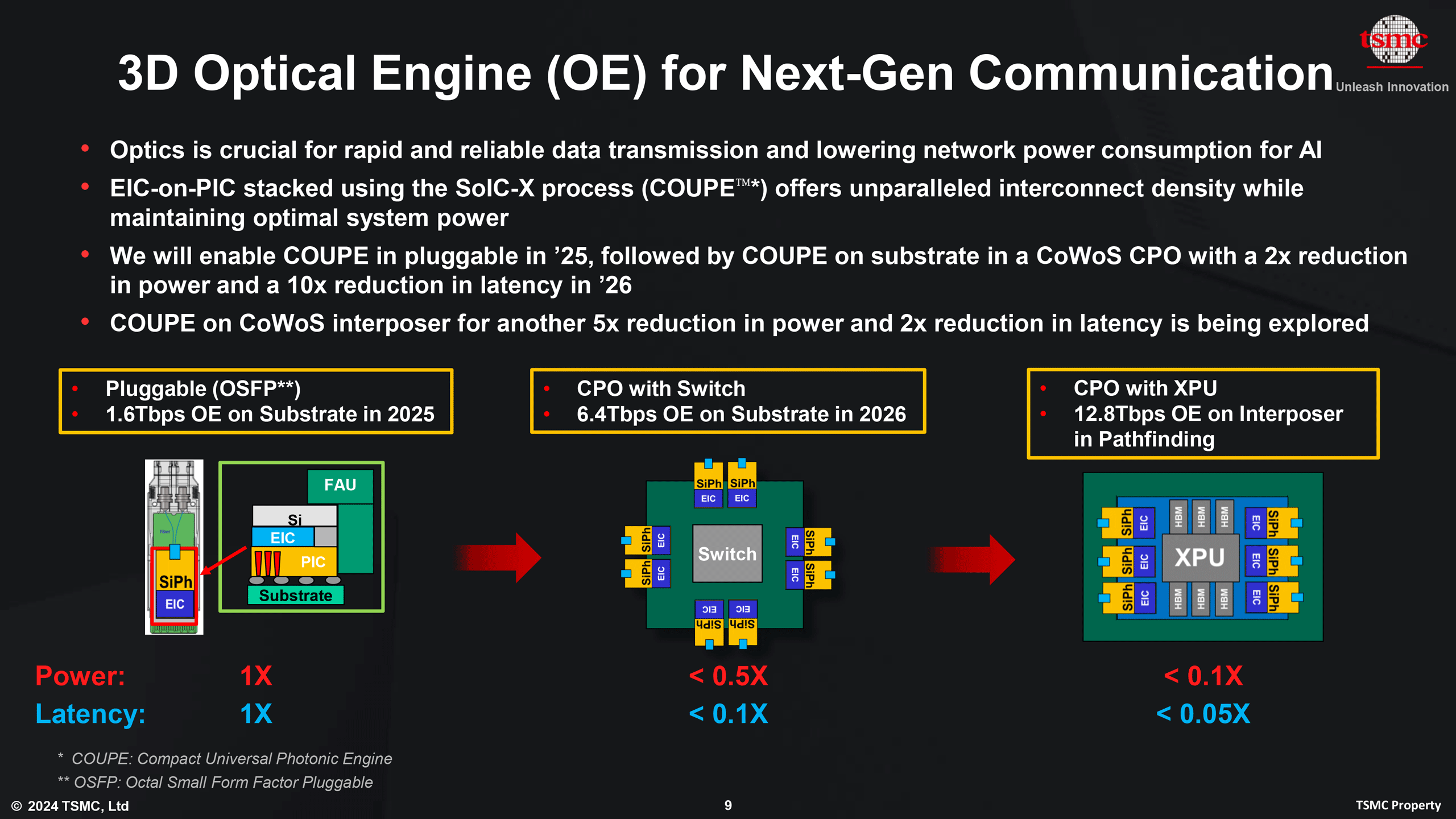
As AI systems outgrow copper interconnects, TSMC, Intel, Samsung Foundry, and GlobalFoundries are pursuing four distinctly different co-packaged optics strategies to bring optical connectivity closer to compute.