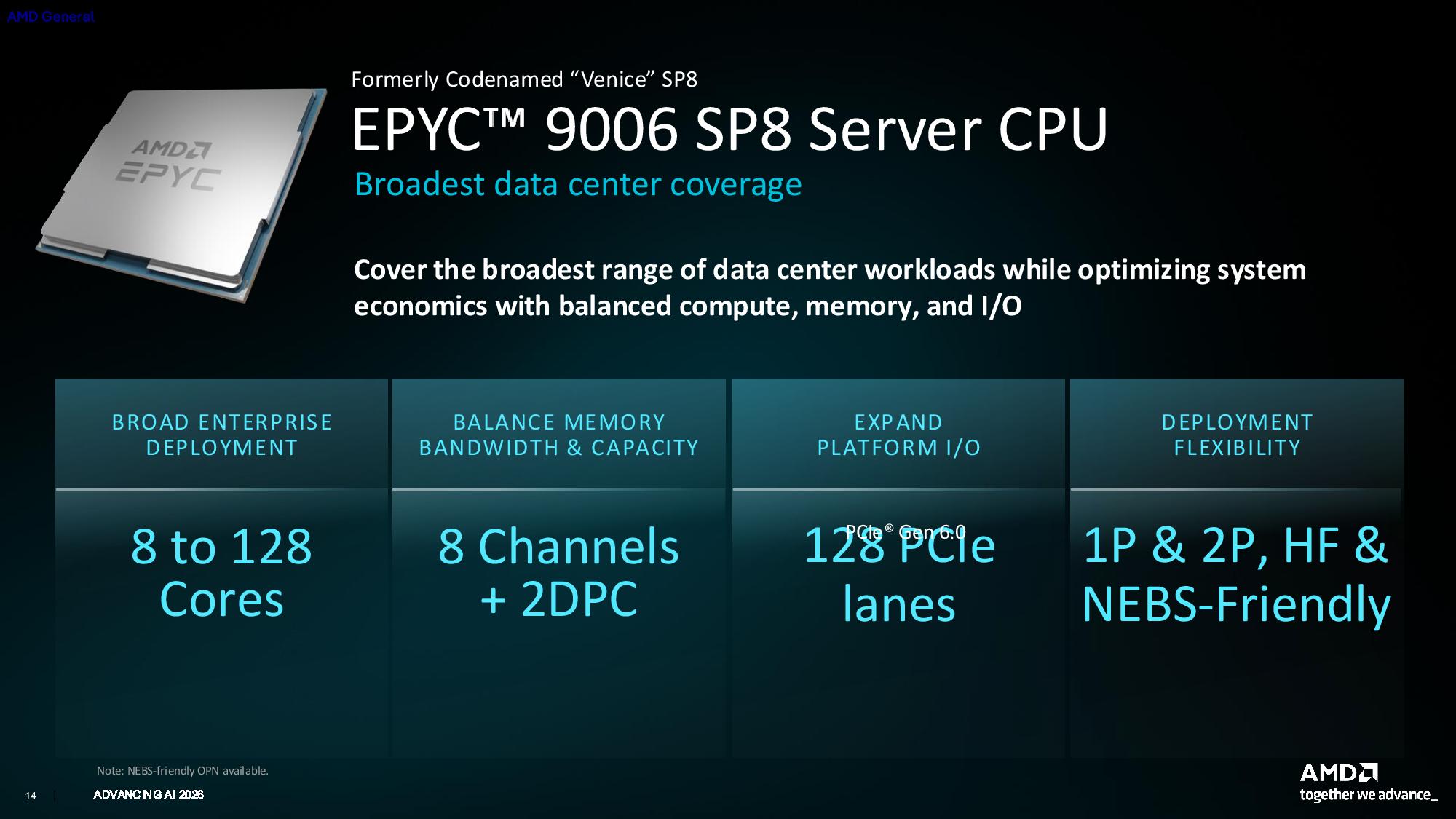
After over a year of teases, AMD has finally provided details on its 256-core Venice CPU with the Zen 6 architecture, now known as the Epyc 9996.
AMD is returning to 3D V-Cache in its data center range of CPUs with Venice-X, which it has confirmed will launch in the second half of 2027, with 1152 MB of L3 and clock speeds up to 5.15 GHz.
GM CFO Paul Jacobson says that the company’s costs are expected to increase by $1.5 to $2 billion, primarily due to increasing memory chip costs. The move comes as the RAM shortage is affecting the automotive industry, right as cars are requiring more memory and storage due to infotainment and ADAS features.
Some customers have discussed commitments running two years or longer, one source told Reuters.
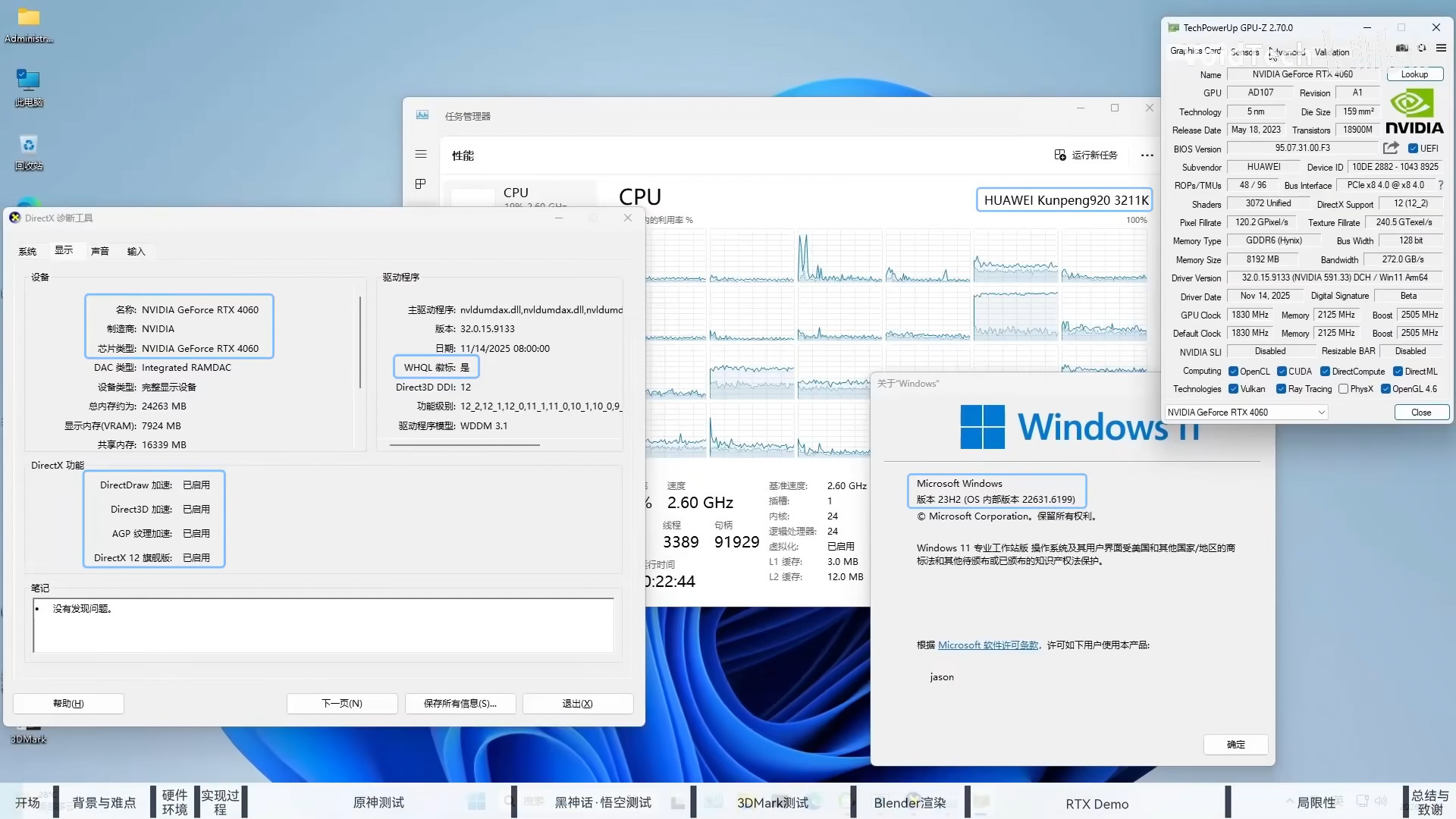
Borrowing a driver from the upcoming RTX Spark, VoidTech managed to get x86 Windows games running on a Huawei Arm workstation.
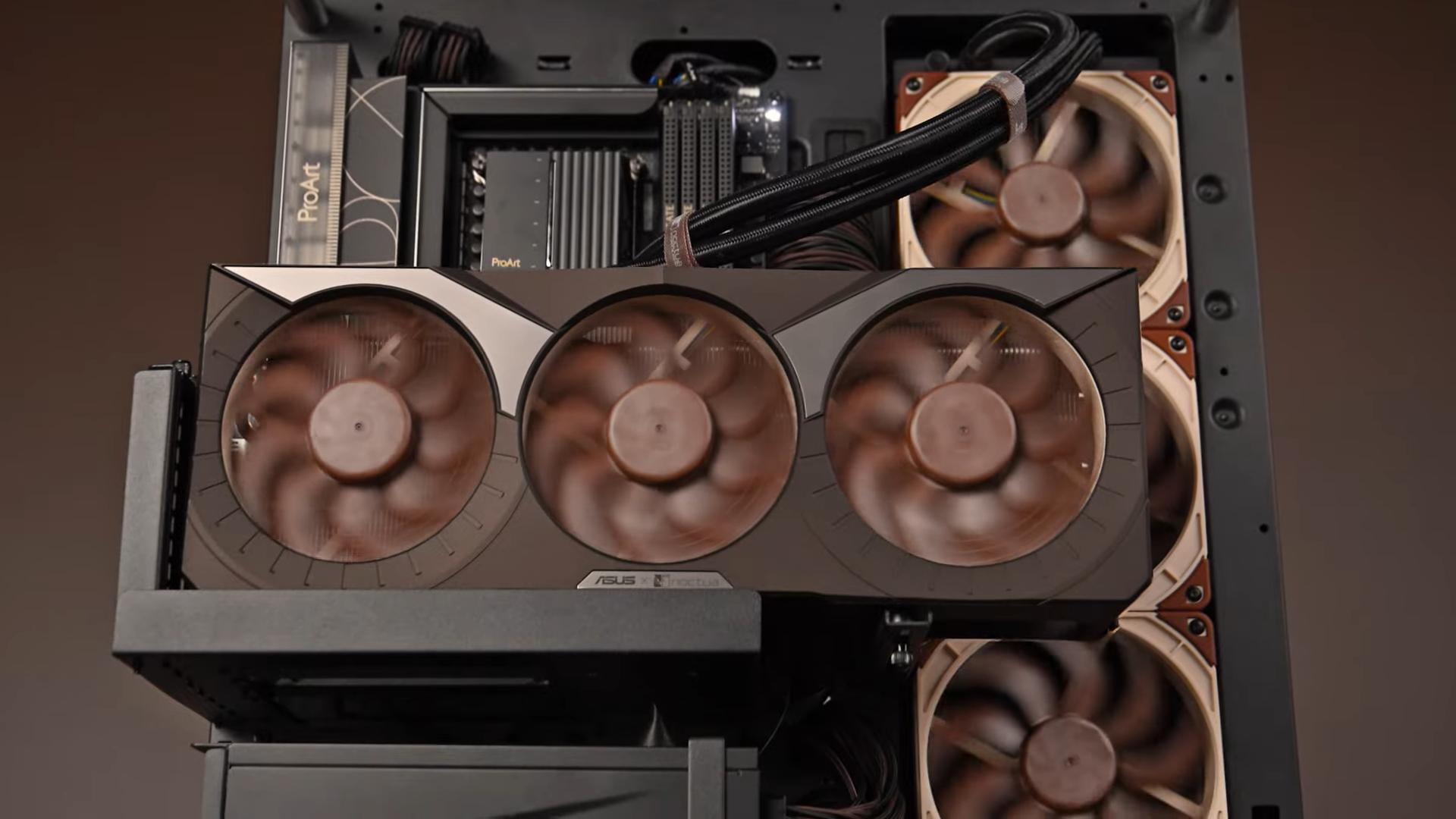
DLSS 5 gets a second showing with Nvidia opening up the upscaler to object-level tweaking for developers with three different models.
As Nvidia continues to roll out Vera, its first custom CPU for agentic AI, it revealed that its last-gen Grace design has seen mass deployments, even as a standalone CPU for non-agentic workloads.
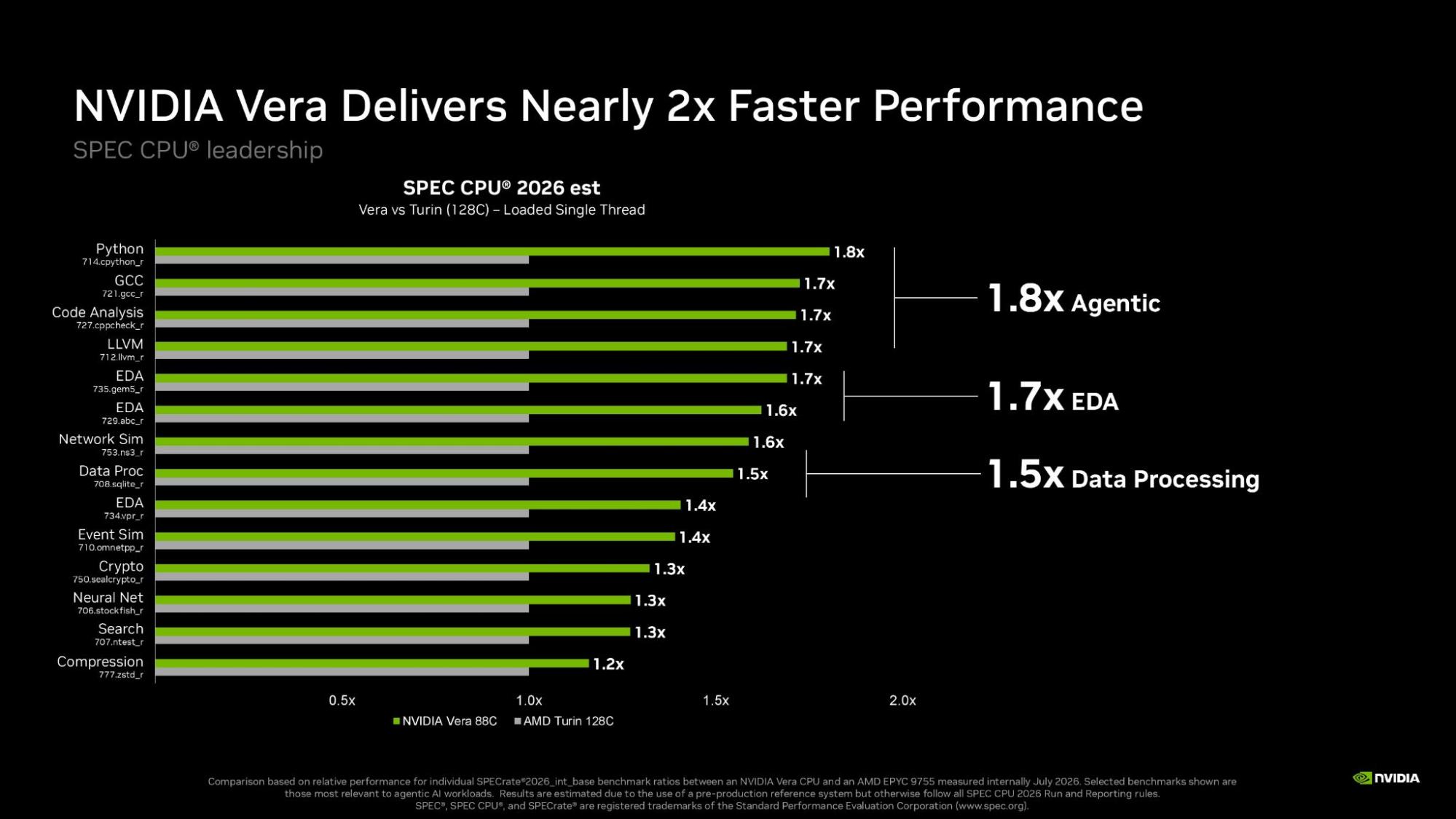
Nvidia reveals all of the details about its Vera data center CPU, including an architectural breakdown of the Olympus core and the first (unofficial) SPEC CPU 2026 results.
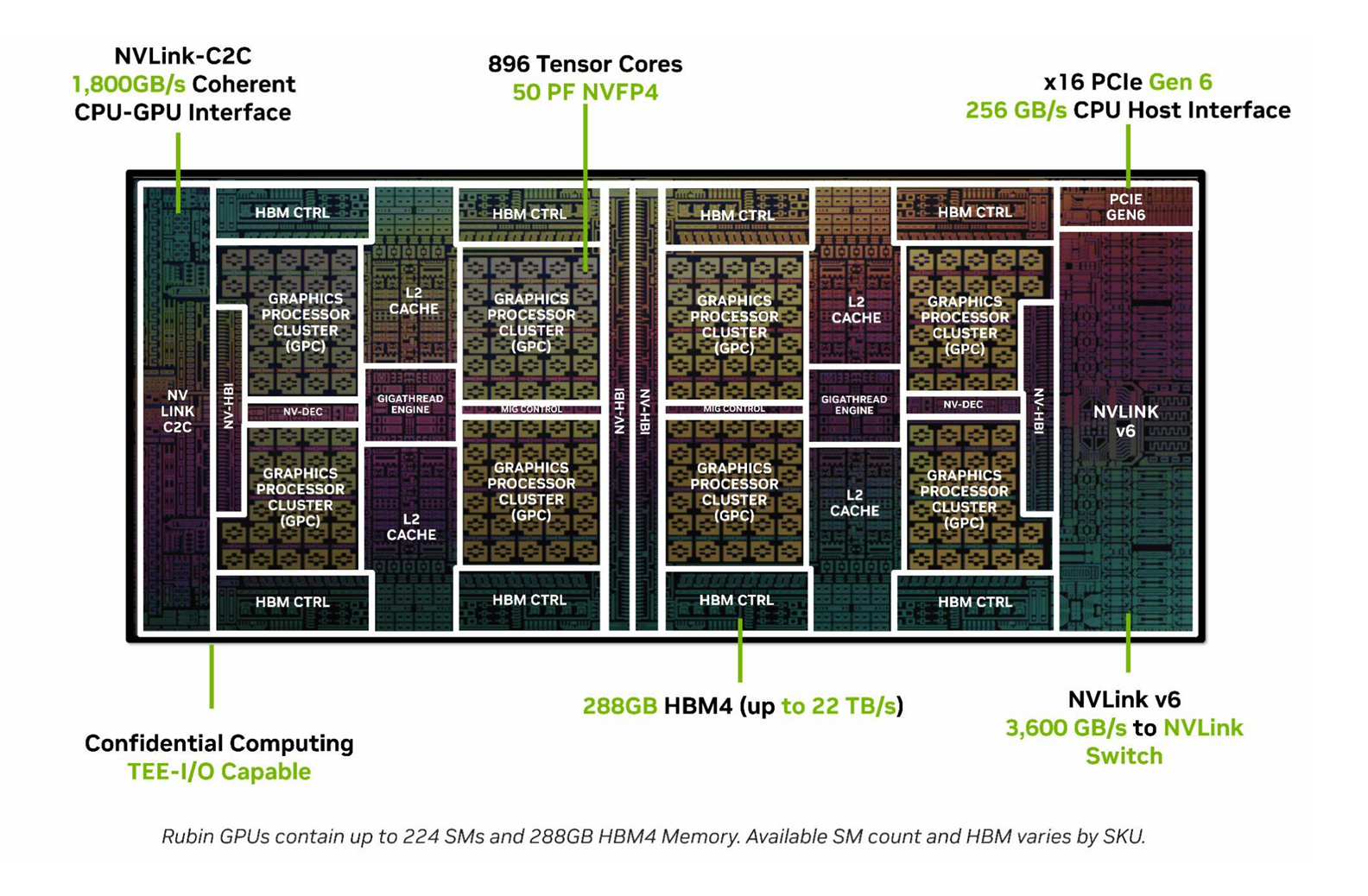
Nvidia has detailed new features of its Rubin architecture.
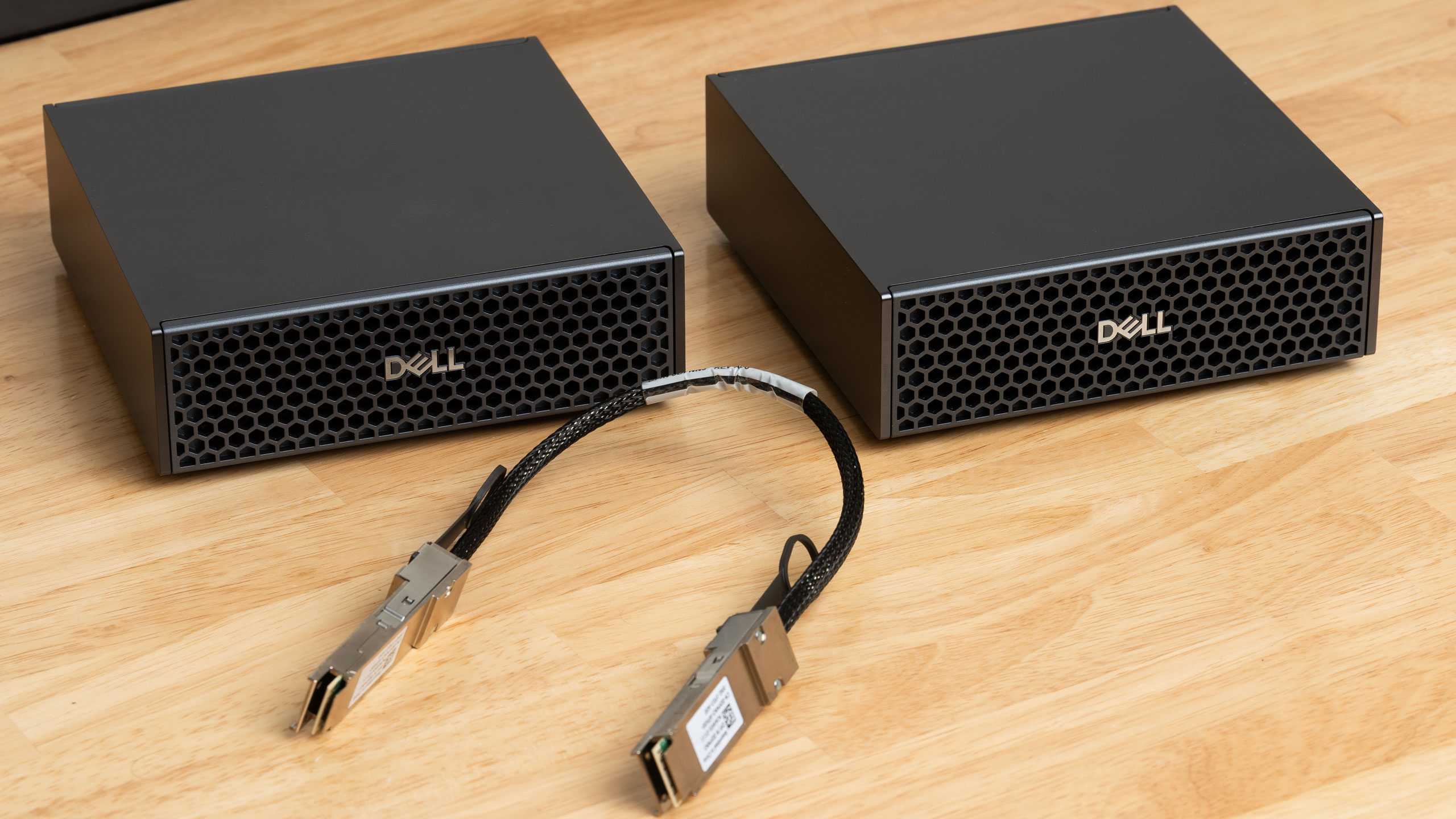
We paired up and tested a pair of Dell’s Pro Max with GB10, to see what a small cluster of Nvidia’s Spark silicon can do. At $6332 each, as of writing, it’s still an expensive prospect, but far cheaper and more desk-friendly than a big server box full of GPUs and the other necessary high-end hardware.