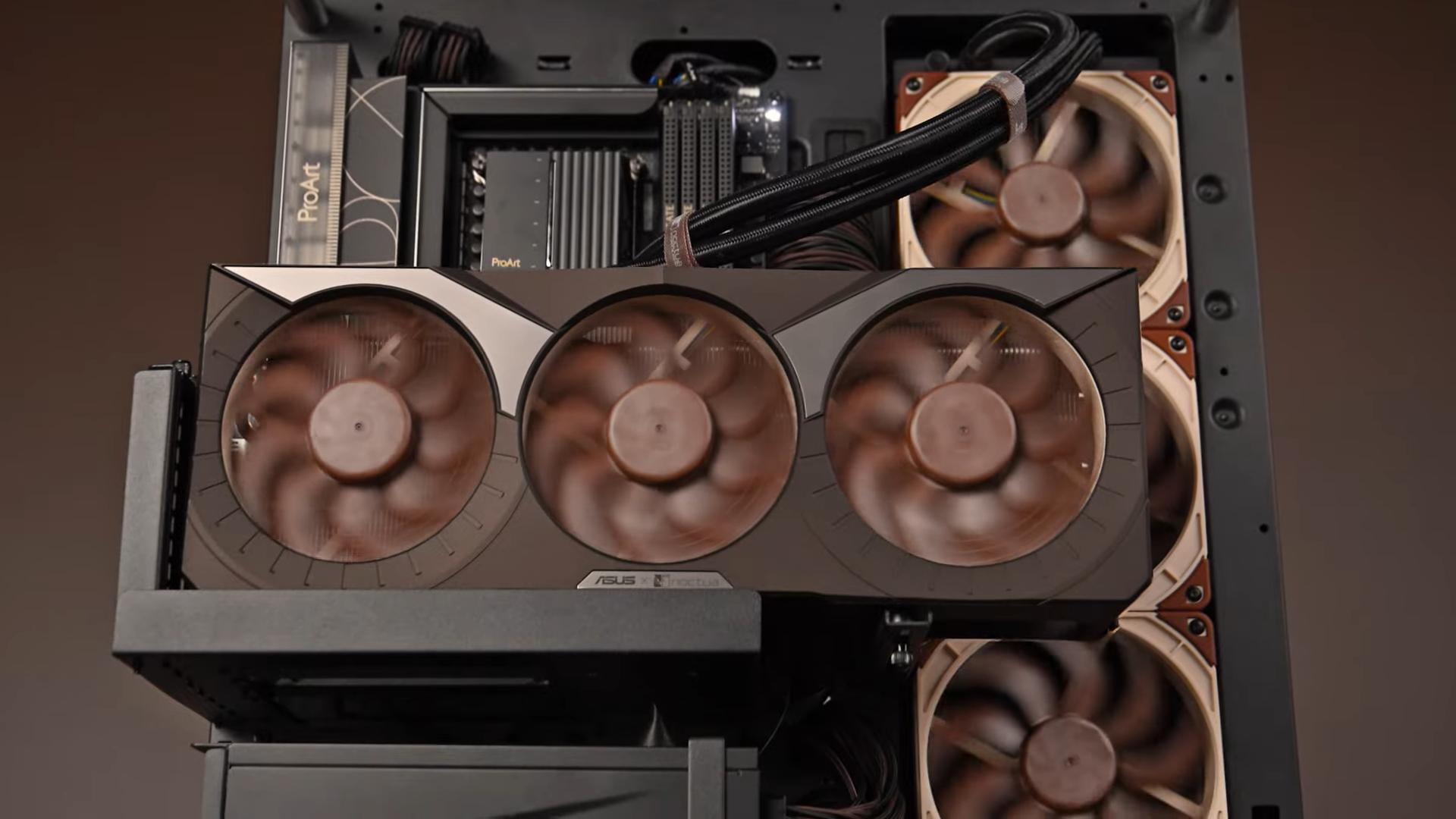
Japanese technology supplier and distributor confirms that the Gigabyte graphics card will cost between 20% and 40% more due to a new price increase.
Kioxia and Sandisk introduce BiCS10 3D QLC NAND device with a record areal density of over 37 Gbit/mm^2.
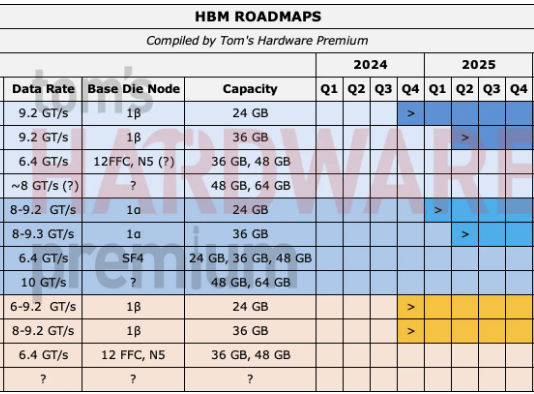
Sandisk and SK hynix formally introduce HBF specification that promises up to 3 TB/s of bandwidth eventually, though only four companies are currently interested in the technology.
The company says it is honoring its earlier promise to reverse tariff-driven price increases, becoming one of the first PC hardware vendors to publicly roll back pricing after a major court ruling.
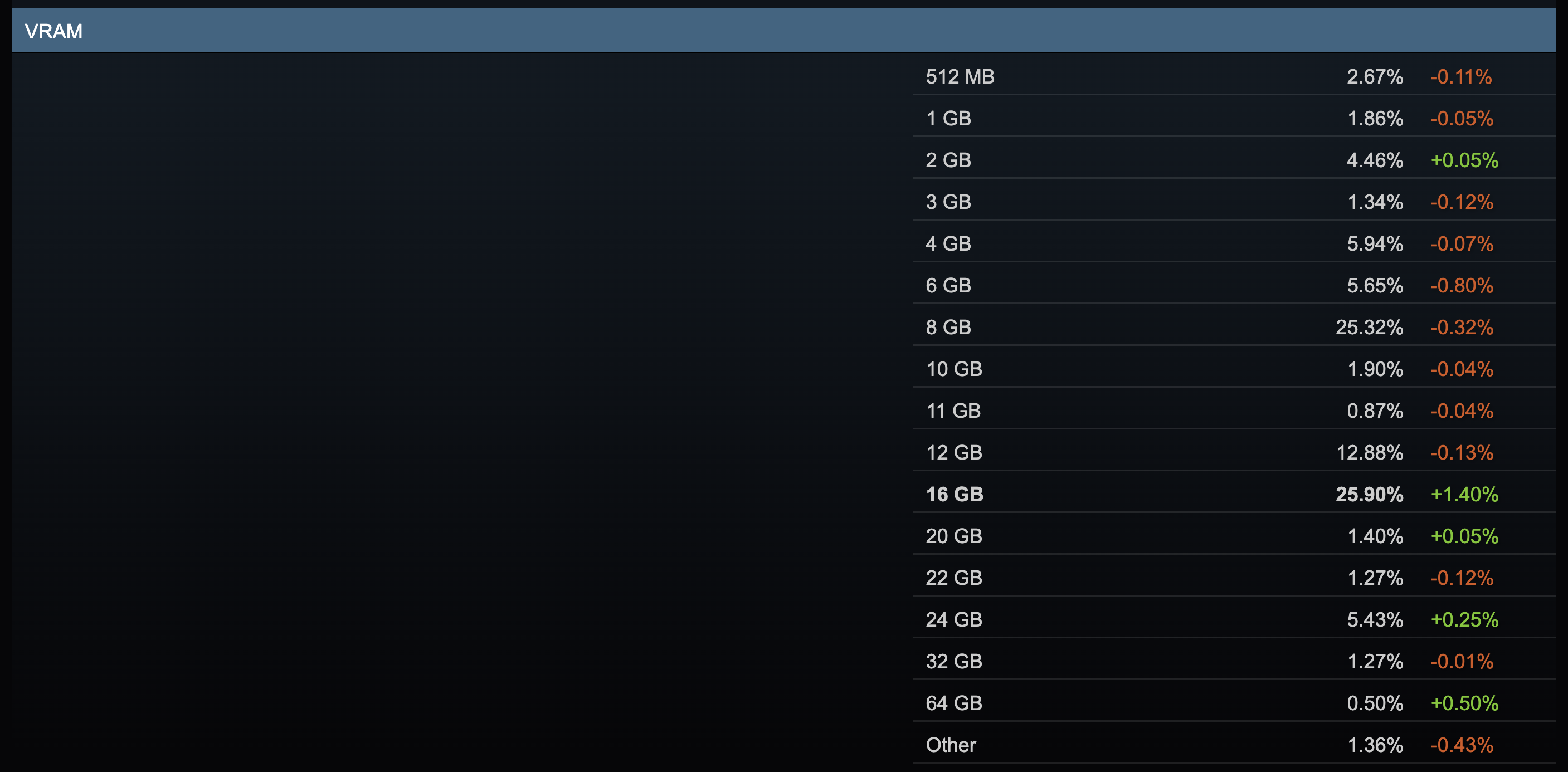
For the first time in Steam history, 8-core CPUs have overtaken 6-core CPUs and GPUs with 16GB of VRAM have overtaken 8GB GPUs. Even though the hardware survey doesn’t represent everyone, it still indicates a paradigm shift for the mainstream market.
Micron’s New York manufacturing facility is back in the crosshairs of another environmental lawsuit, claiming its wastewater and air permits should be nullified.
The latest round of price increases affects the entire RTX 50 lineup, with premium models bearing the brunt of rising production costs.
Lexar’s latest Thor RGB kit likely uses CXMT-made DRAM, but its pricing remains comparable to premium DDR5 memory from established brands.
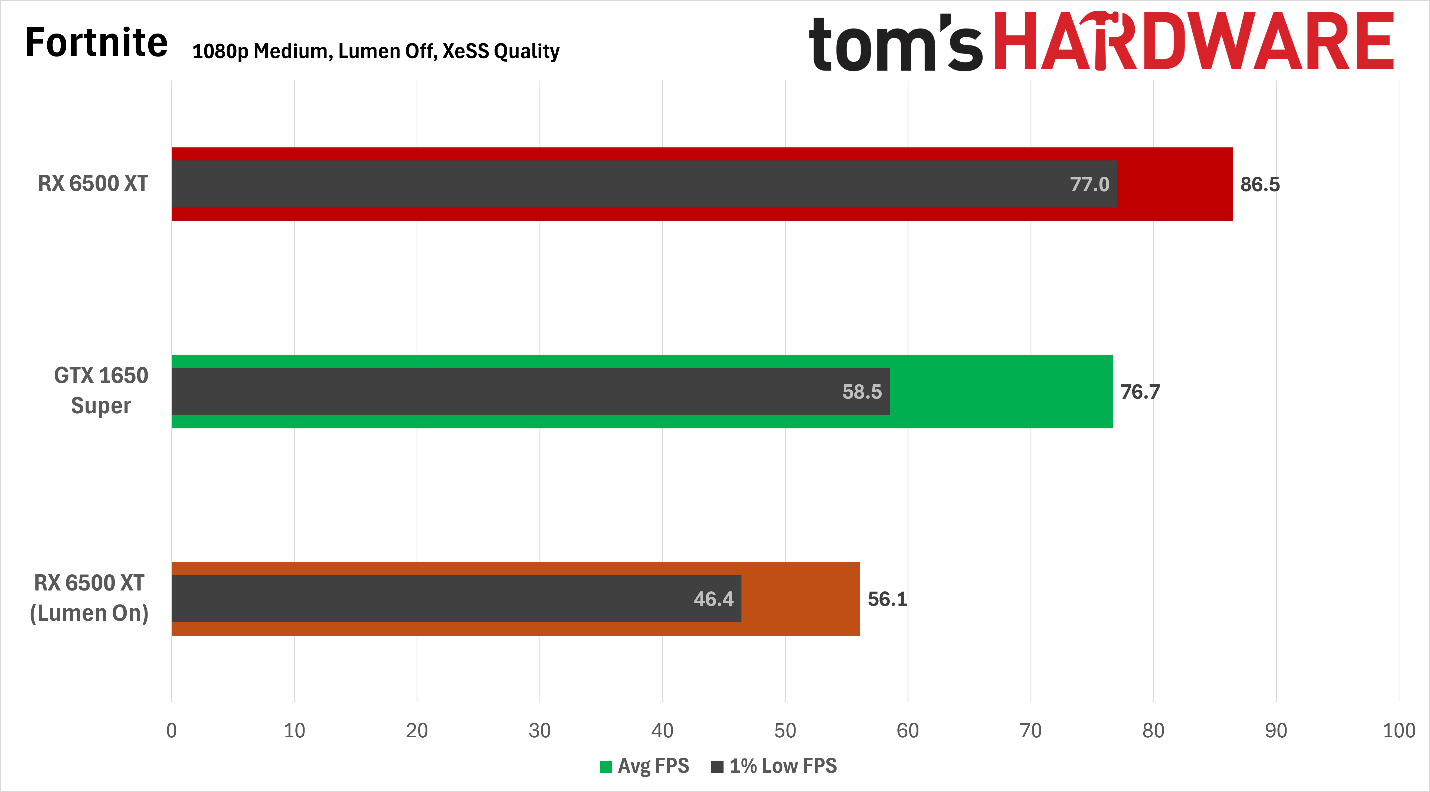
Practically every graphics card introduced since 2022 has had at least 6GB or 8GB of VRAM, but AMD is bucking that trend in 2026 with the new RX 9050 4GB. We dusted off two older 4GB cards to see if that little VRAM means an instant performance cliff.
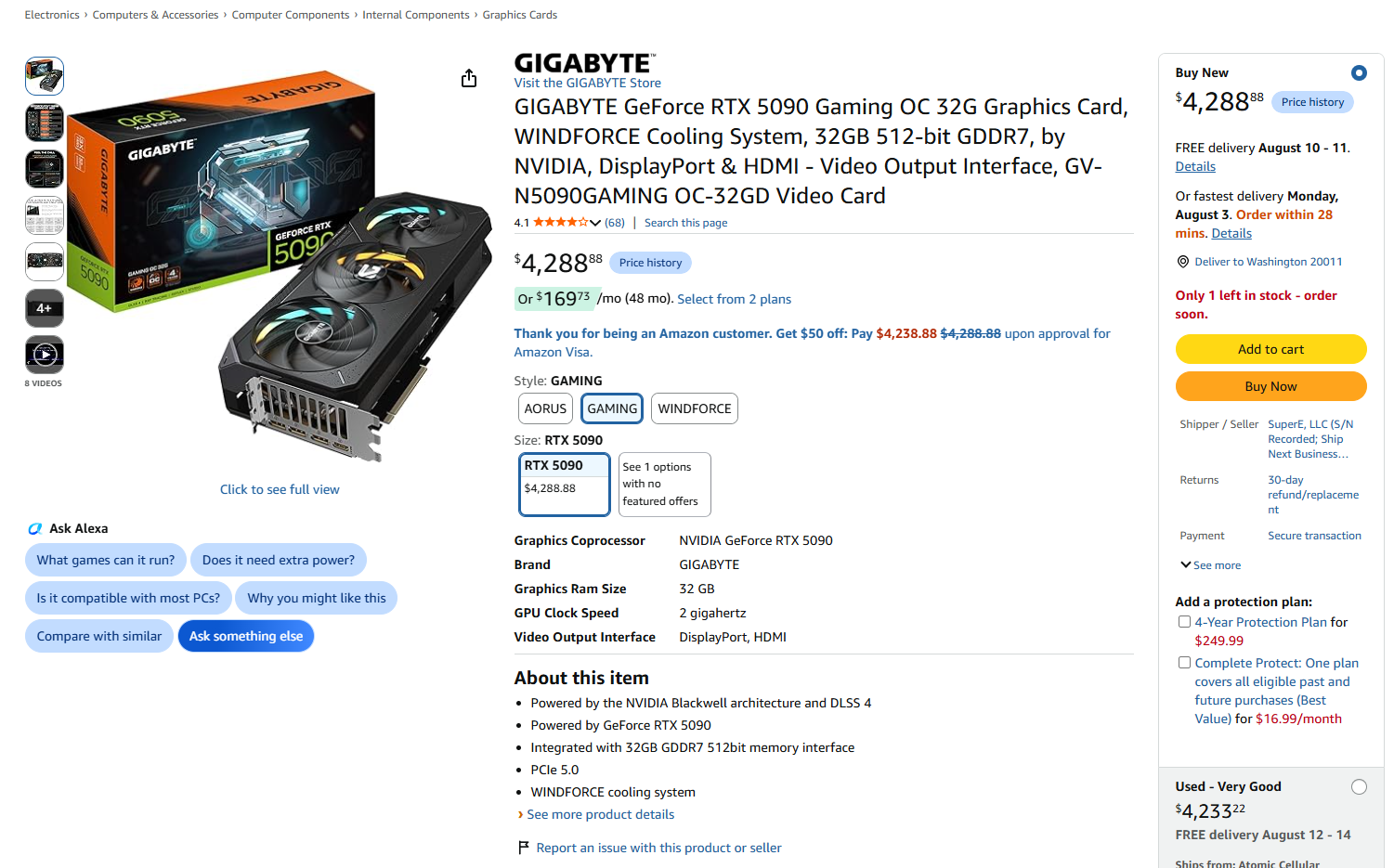
AI, tariffs, and greed have put pressure on PC builders wanting a new GPU. Can you still get a cheap GPU?