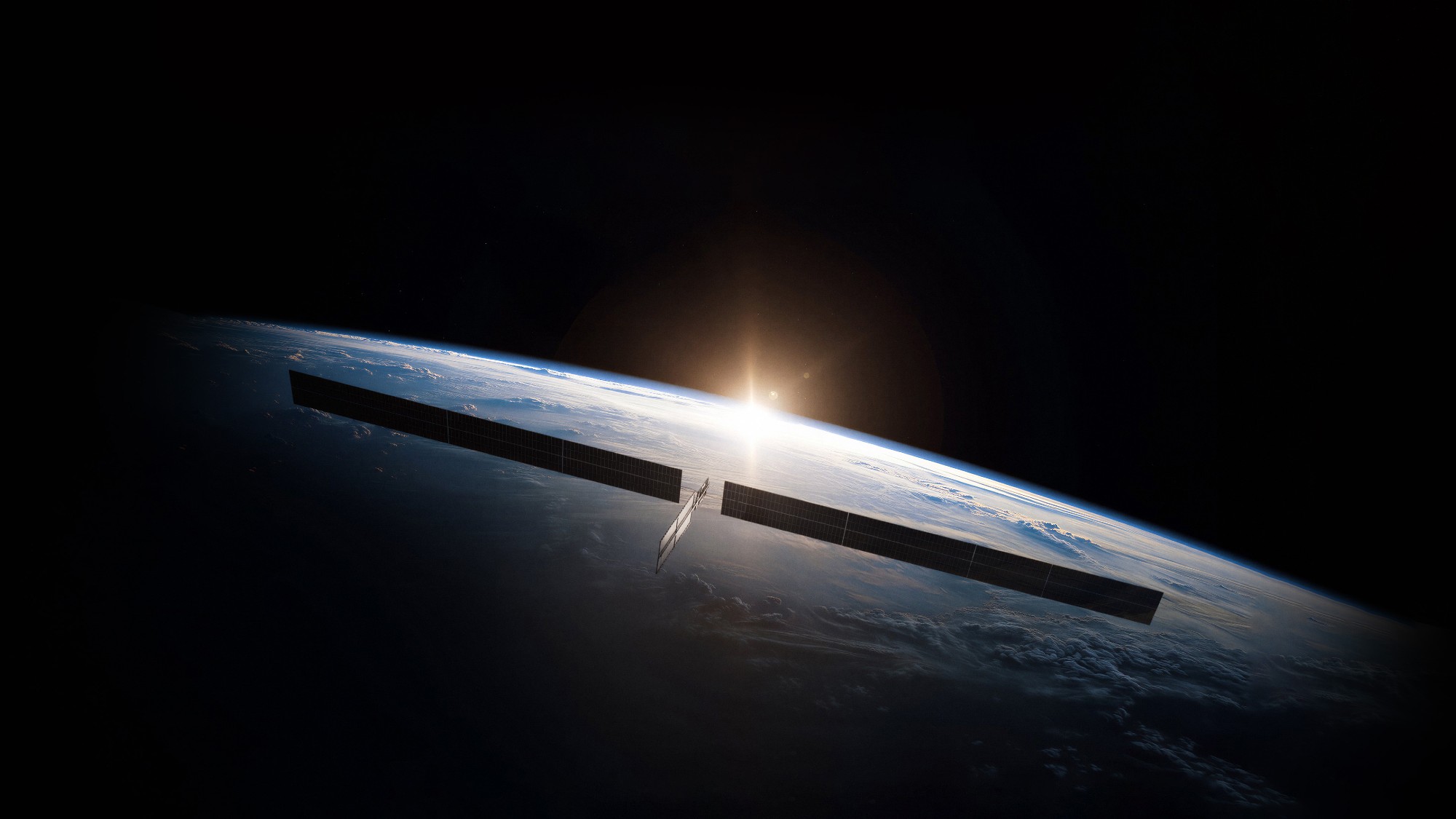
Satellite constellations are getting bigger and increasingly difficult for human operators to manage. Artificial intelligence will soon be able to help, but will the space industry let it happen?

The U.S. Federal Communications Commission (FCC) can single-handedly approve space projects that will change the night sky around the world. The international community can do very little against it.
The outgoing head of the U.S. Space Force had some stark words in his last public speech, stating that “none of us will be able to avoid the war zone” should conflict extend to space.
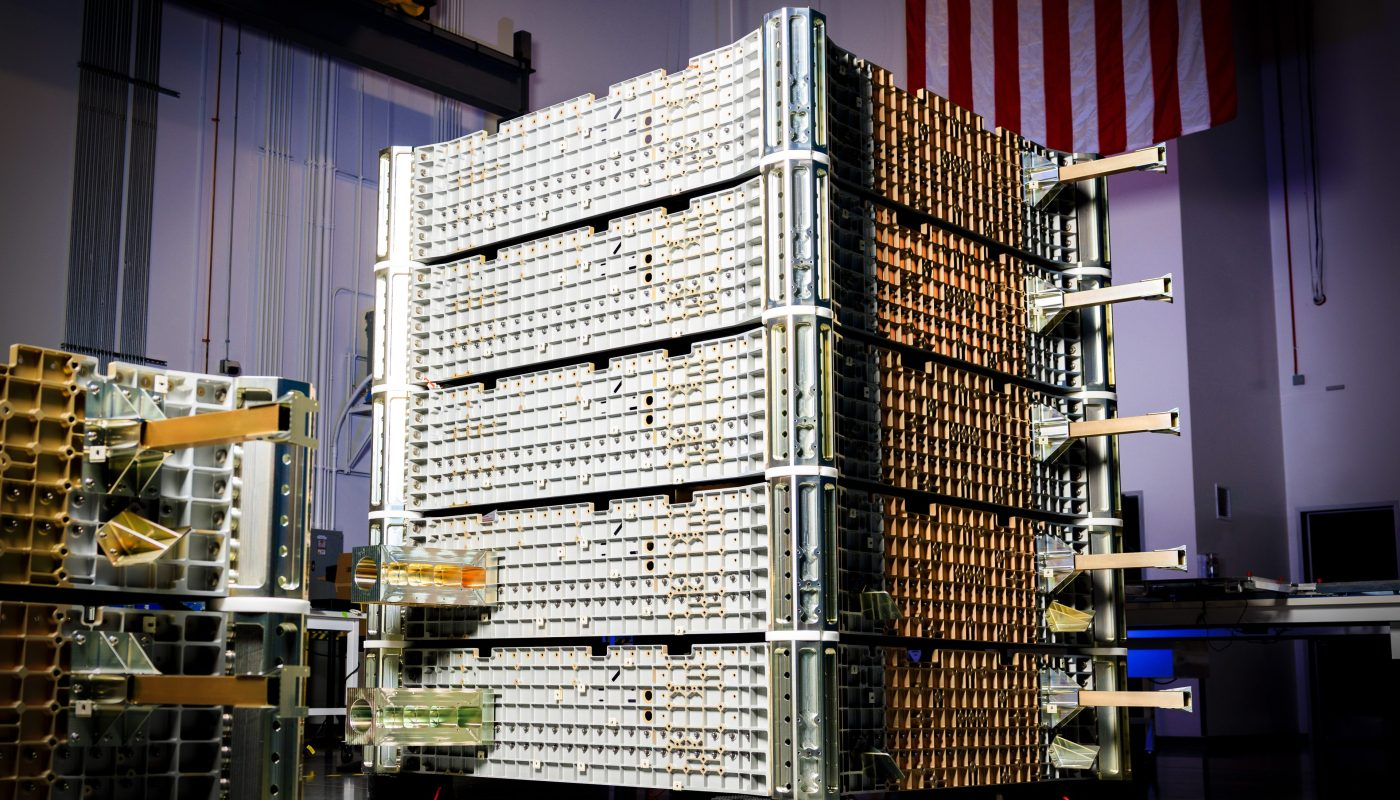
The Space Development Agency announced partnerships with two companies worth up to $1.75 billion total, to develop 36 satellites for the Trump administration’s Golden Dome missile-defense initiative.
A bright Saturn’s ring of satellites will encircle Earth if plans to launch a million orbiting data centers and tens of thousands of space mirrors will come to pass.

Like many engineers, Sarah Downs says she knew she wanted to pursue a STEM career from a young age. As a teenager, she discovered robotics through her Tulsa, Okla., middle school’s First Lego League team, and she fell in love with the field, she says….

SpaceX’s Starlink satellites made over 355,000 collision avoidance maneuvers over the past year with each satellite now dodging other objects almost weekly.
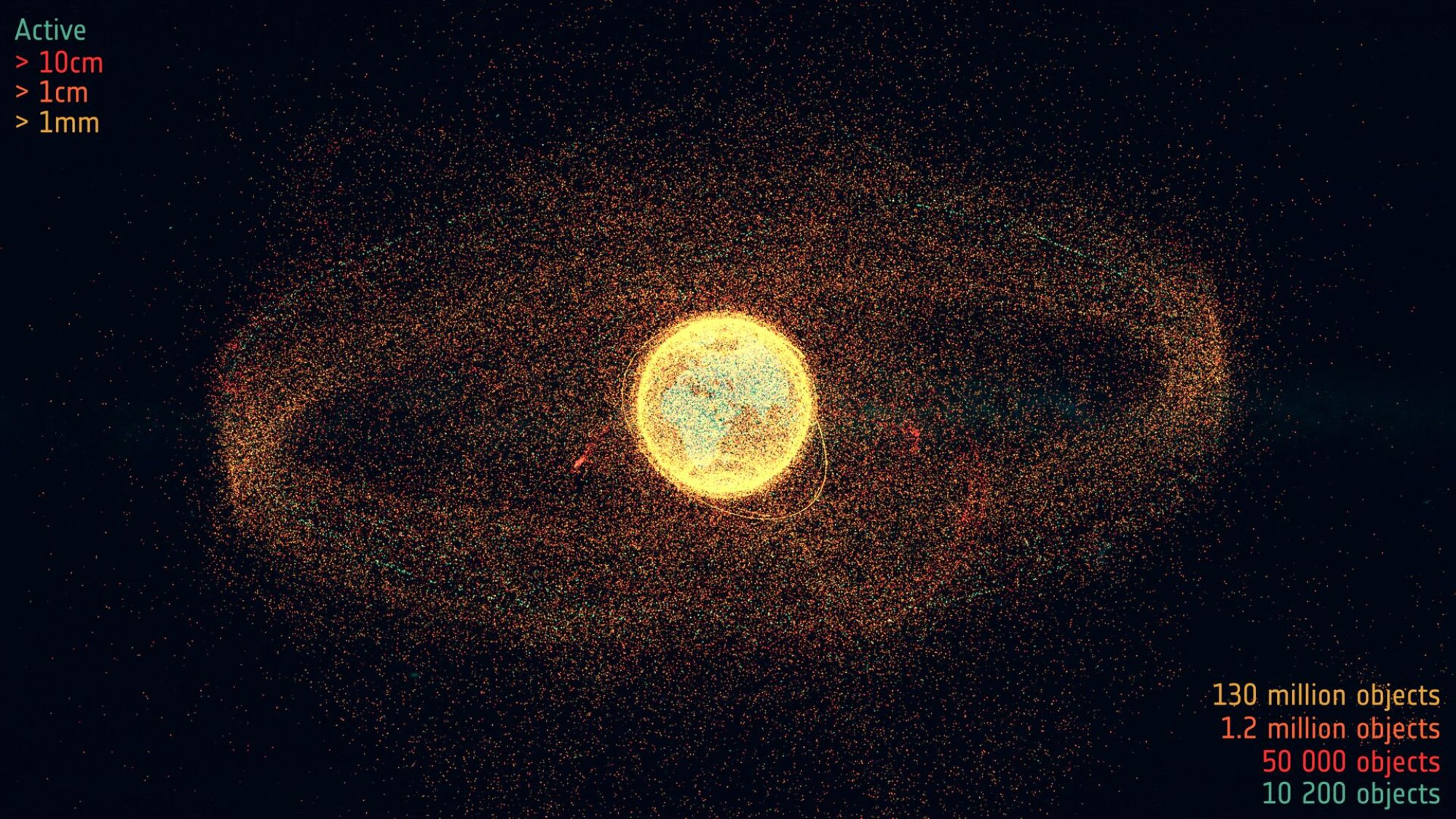
“The debris in geosynchronous orbit is a potential minefield.”
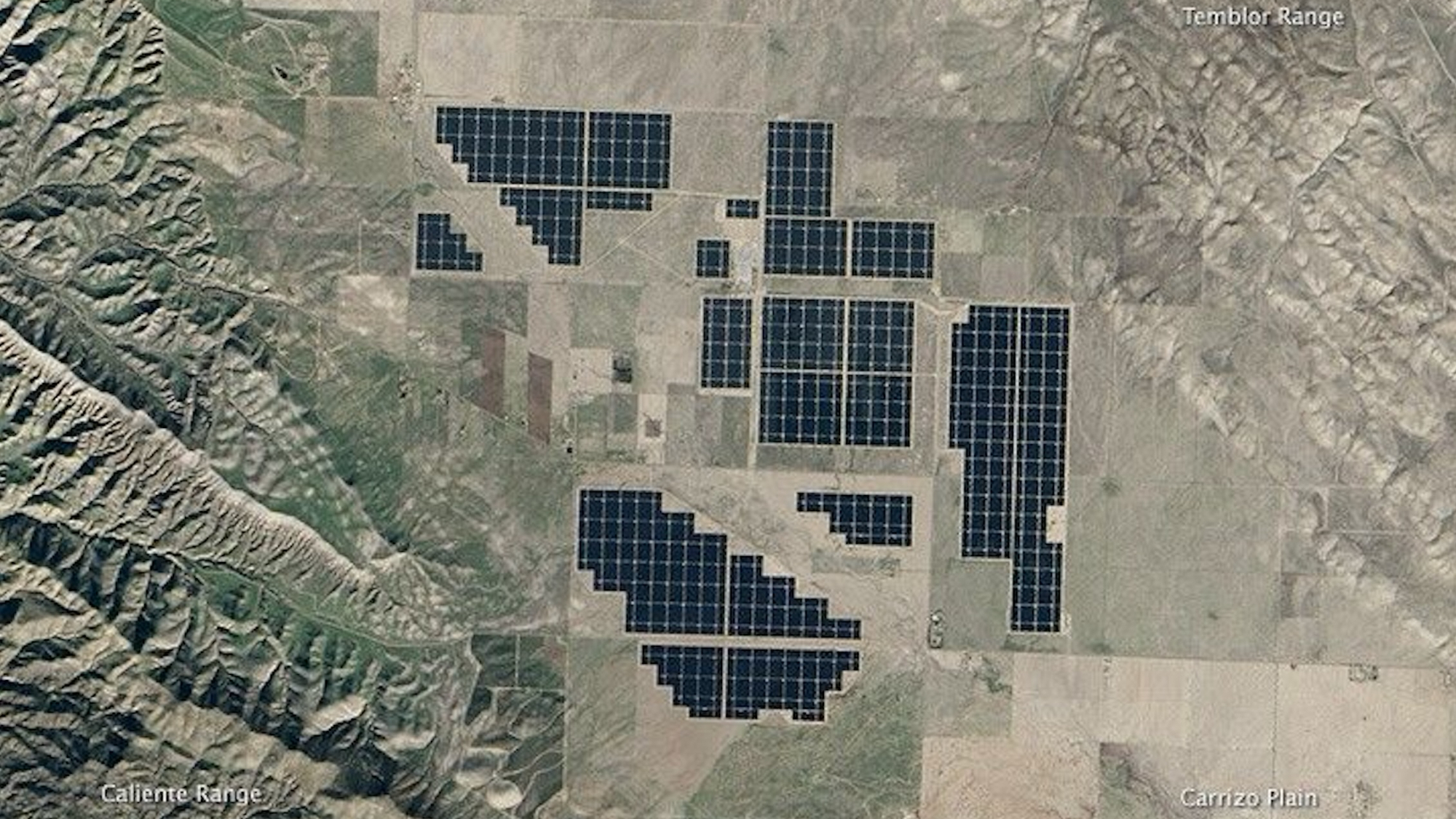
Reflect Orbital just got approval to launch its first light-directing space mirror, which it plans to do later this year. Tens of thousands more such craft could follow over the next 10 years.
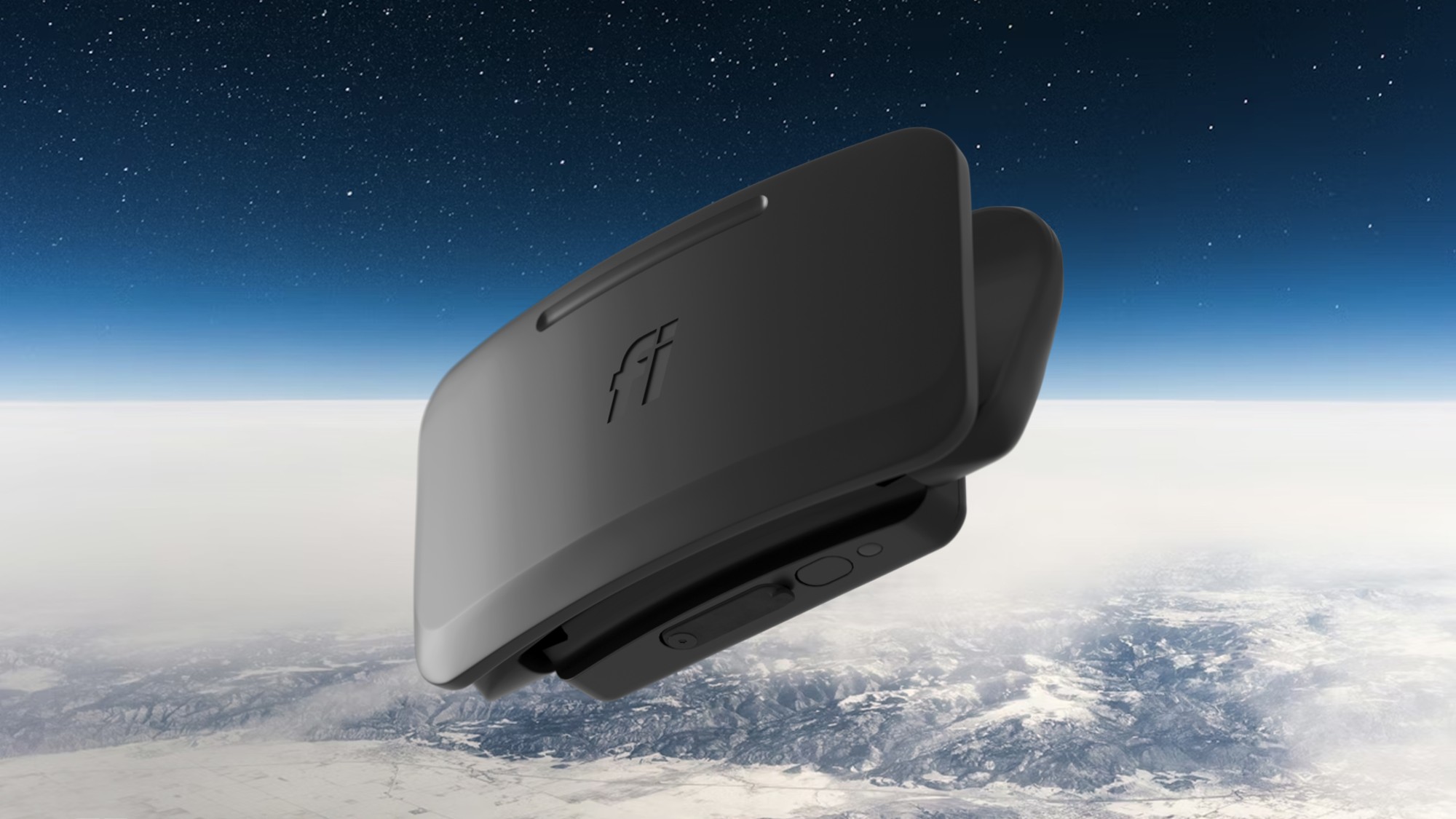
A new dog collar with GPS tracking enabled by SpaceX’s Starlink direct-to-mobile network promises connectivity from almost anywhere.