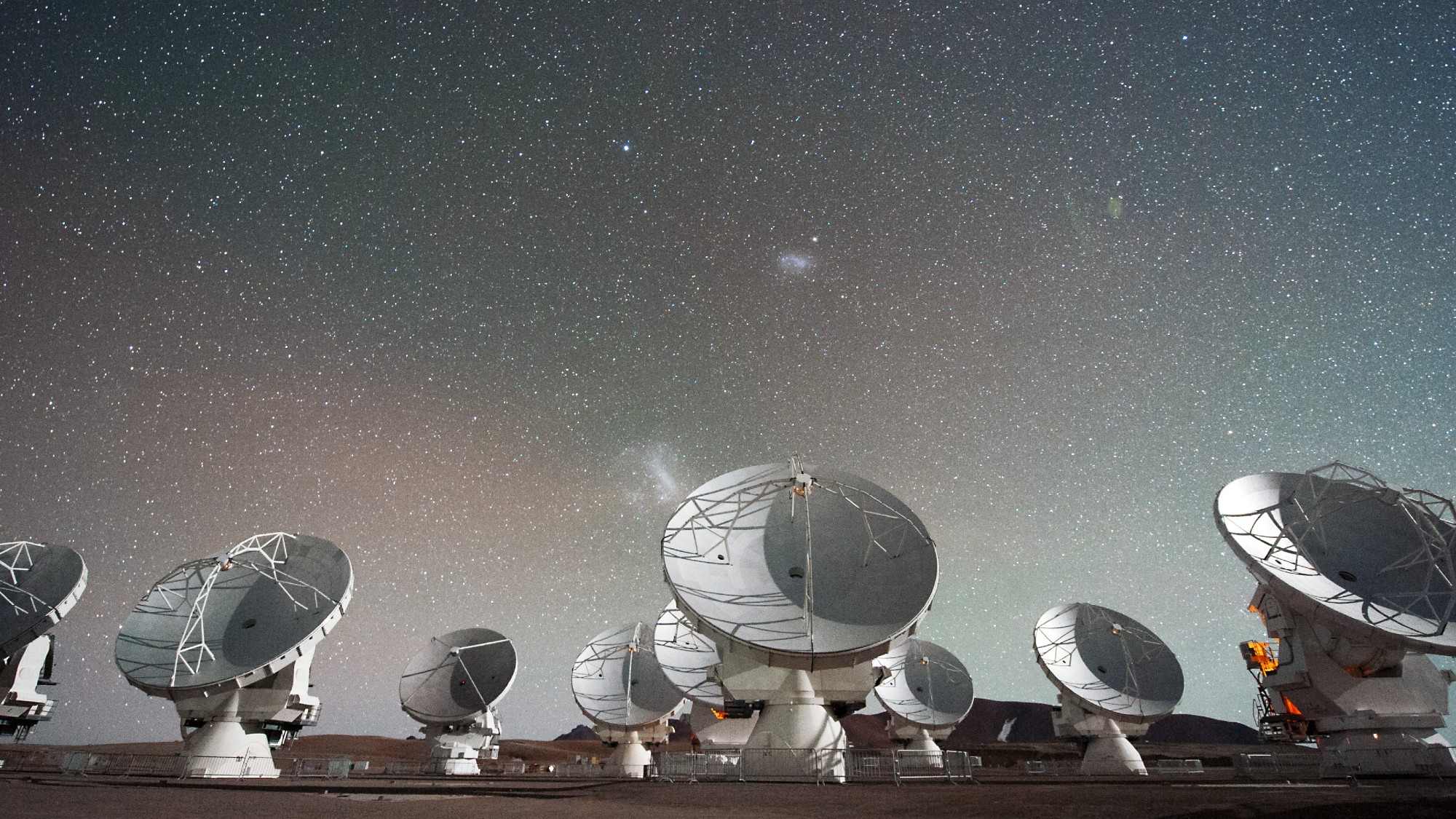
Astronomers may have already scanned millions of more stars than they thought, a realization that might lead to new ways to hunt for extraterrestrial radio signals.
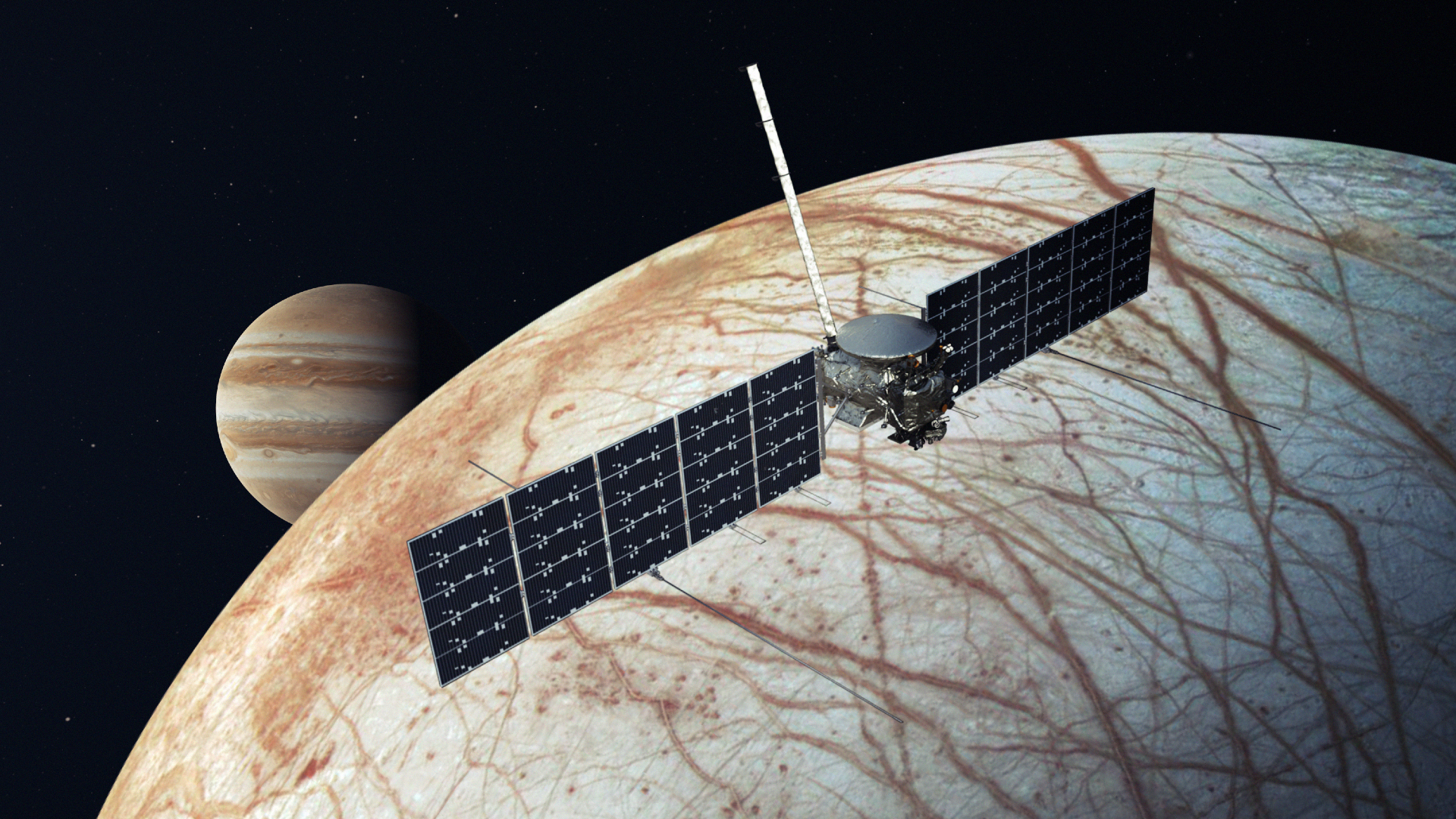
“This helps future missions interpret what they find and better understand where to look for signs of habitability.”

Between biosignatures and technosignatures lie noosignatures, and some scientists think they could help us find alien life someday.
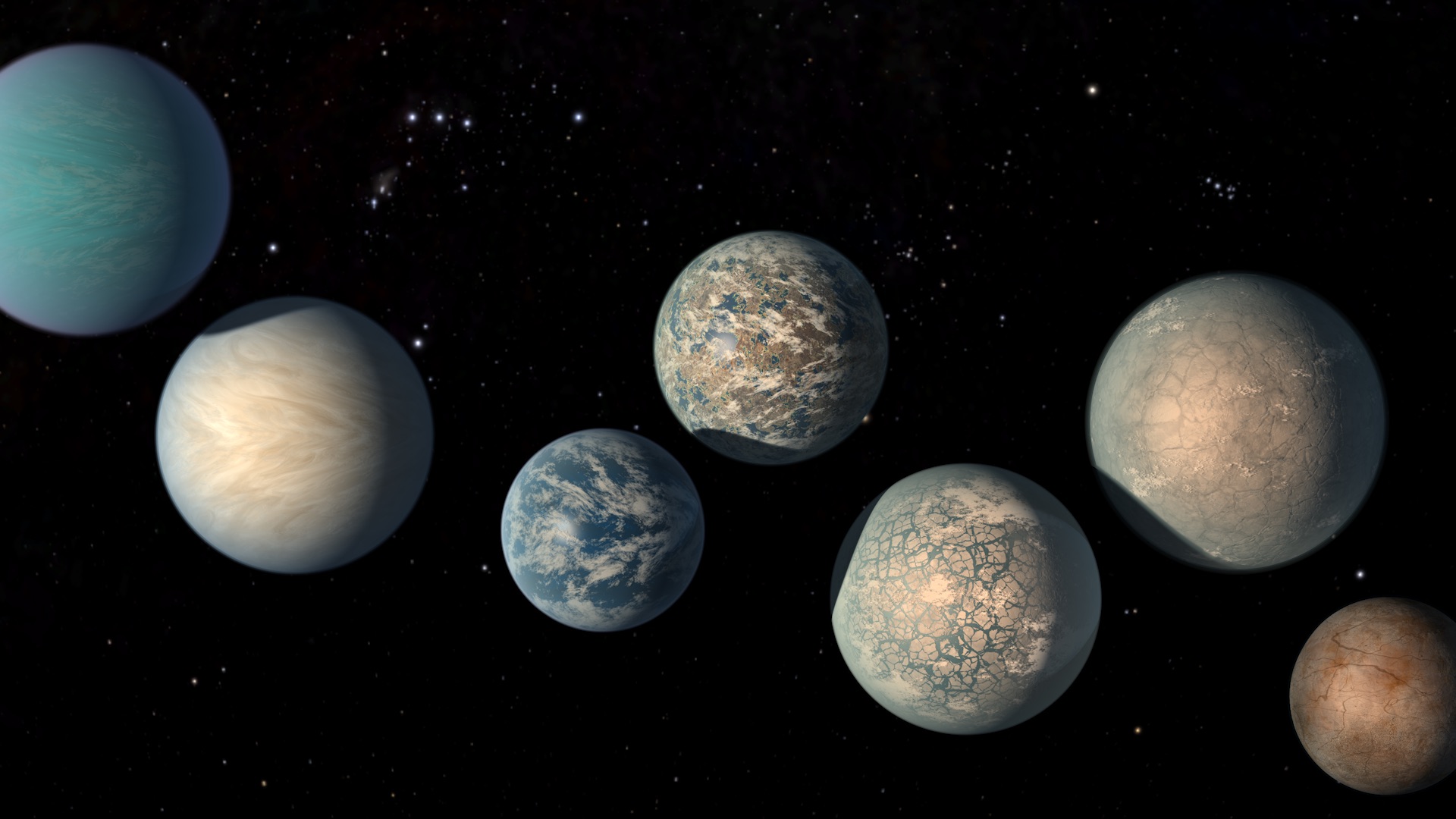
For a world to maintain an atmosphere long enough for life to gain a foothold, it seems it needs to be at least as big as Mars.
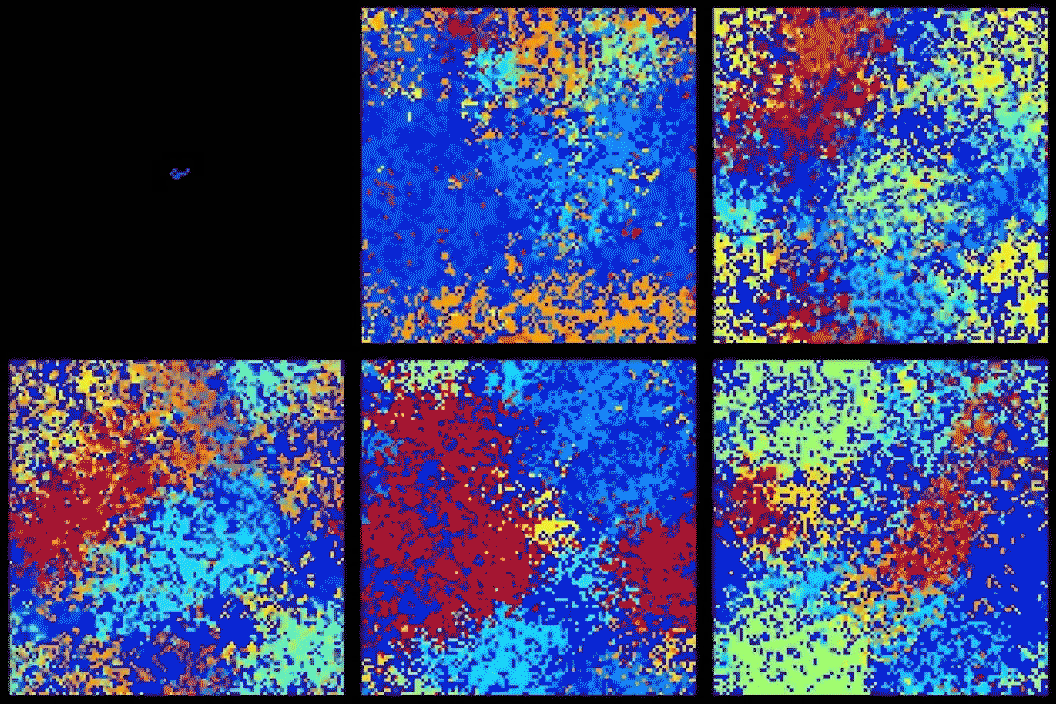
New research suggests AI can be repeatedly fooled into mistaking non-life for life.
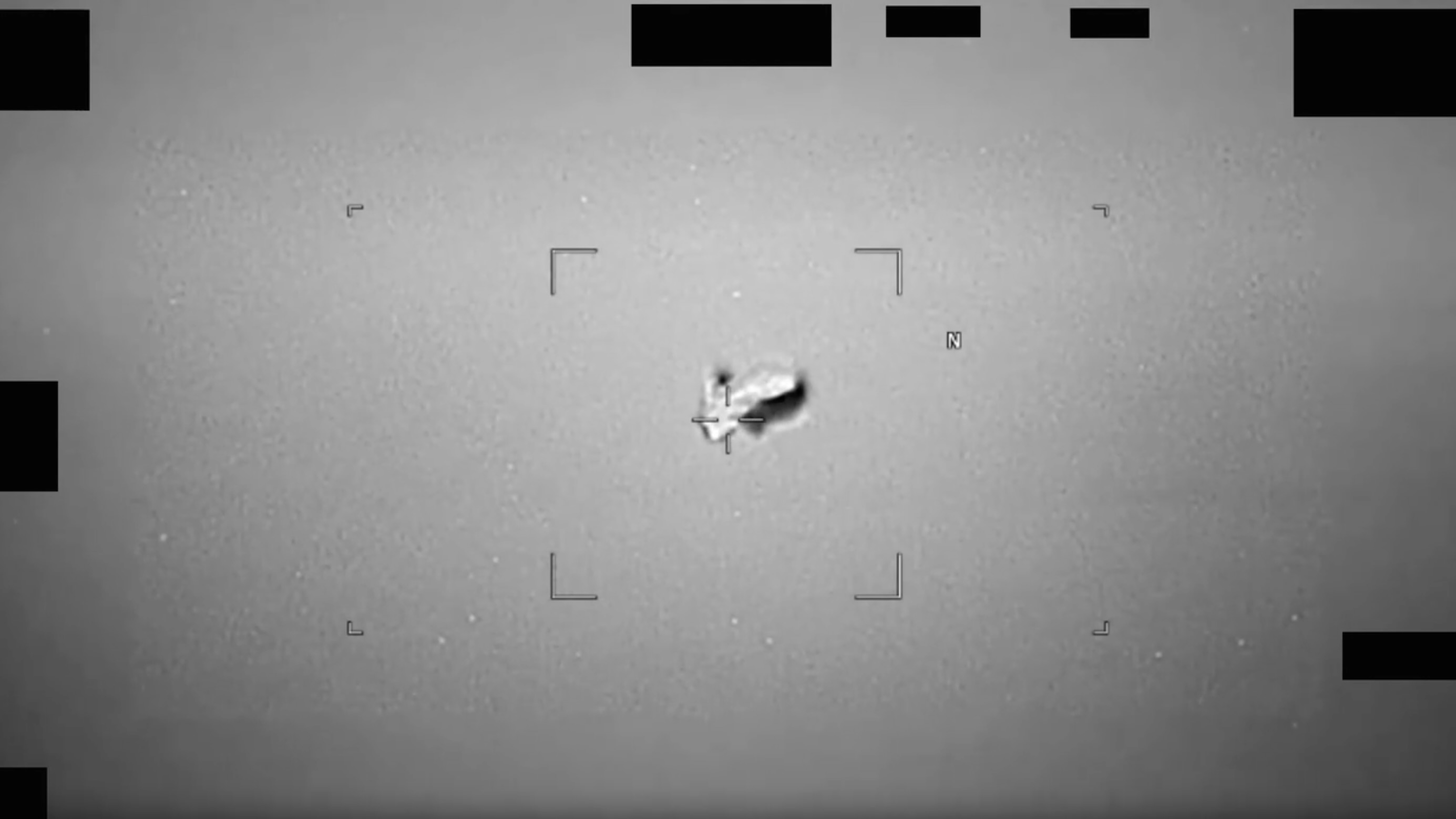
Harvard astrophysicist Avi Loeb has been appointed as the head of a new White House group to study UFOs, or unidentified anomalous phenomena, as they’re now known.
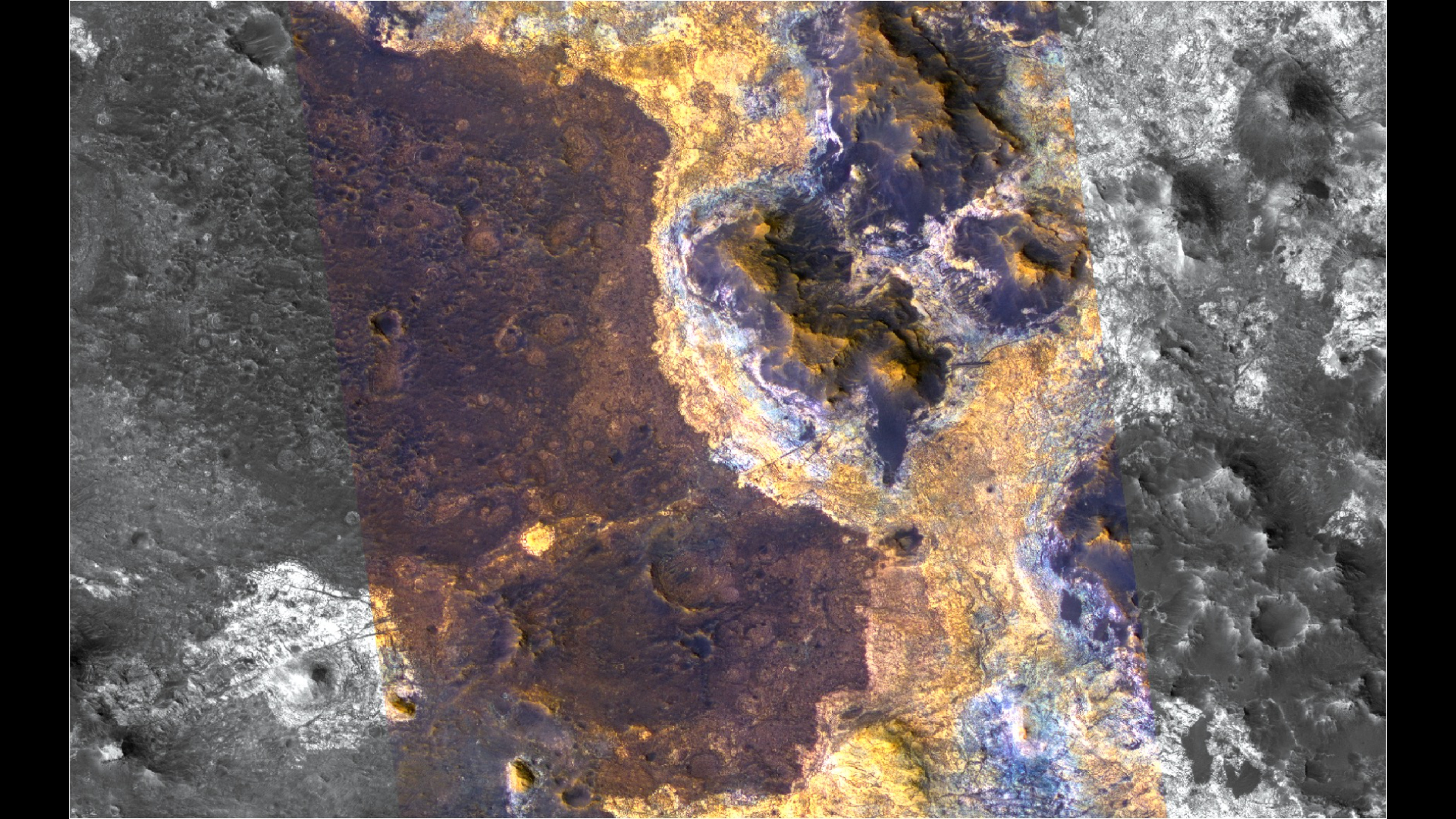
ESA’s Rosalind Franklin rover will investigate possible signs of life in Martian clay.
A new exoplanet model screens rocky worlds by their ability to retain atmospheres over geologic timescales, helping narrow the search for potentially habitable planets beyond Earth.
Earth may have gotten some of the key ingredients for life from asteroids in the inner solar system, but not without assistance from Jupiter.
…
A new study analyzed how NASA’s Habitable Worlds Observatory might be able to confidently spot biosignatures in the atmosphere of a distant ancient Earth.
…