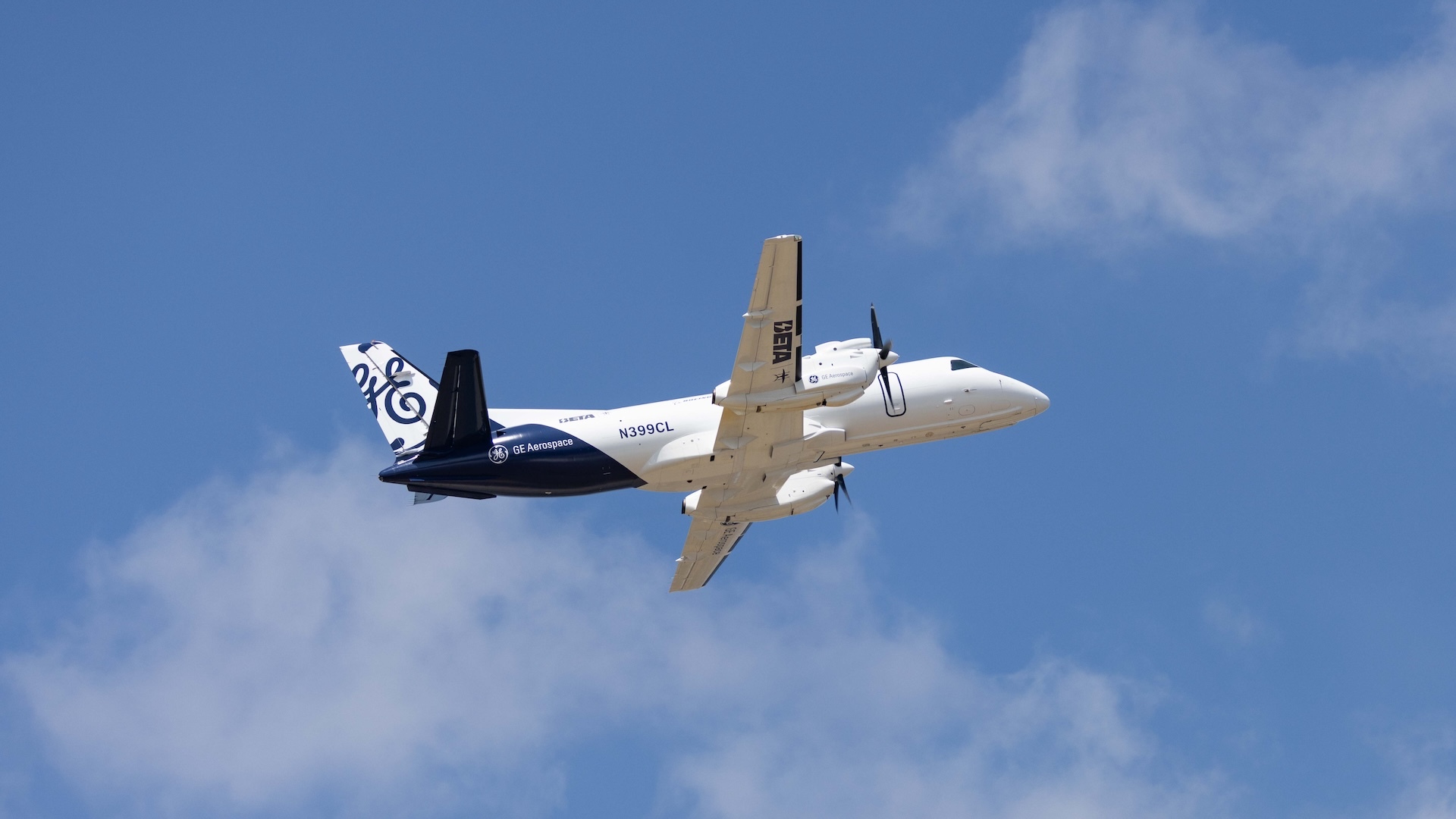
An aircraft powered by a megawatt-class hybrid-electric engine developed in collaboration with NASA and built by GE Aerospace, demonstrated flight of an innovation that can inform new generations of fuel-saving aircraft power systems. Mounted to a Saab 340B aircraft, the engine flew at Farnborough International Air Show in the United Kingdom. It was the public […]
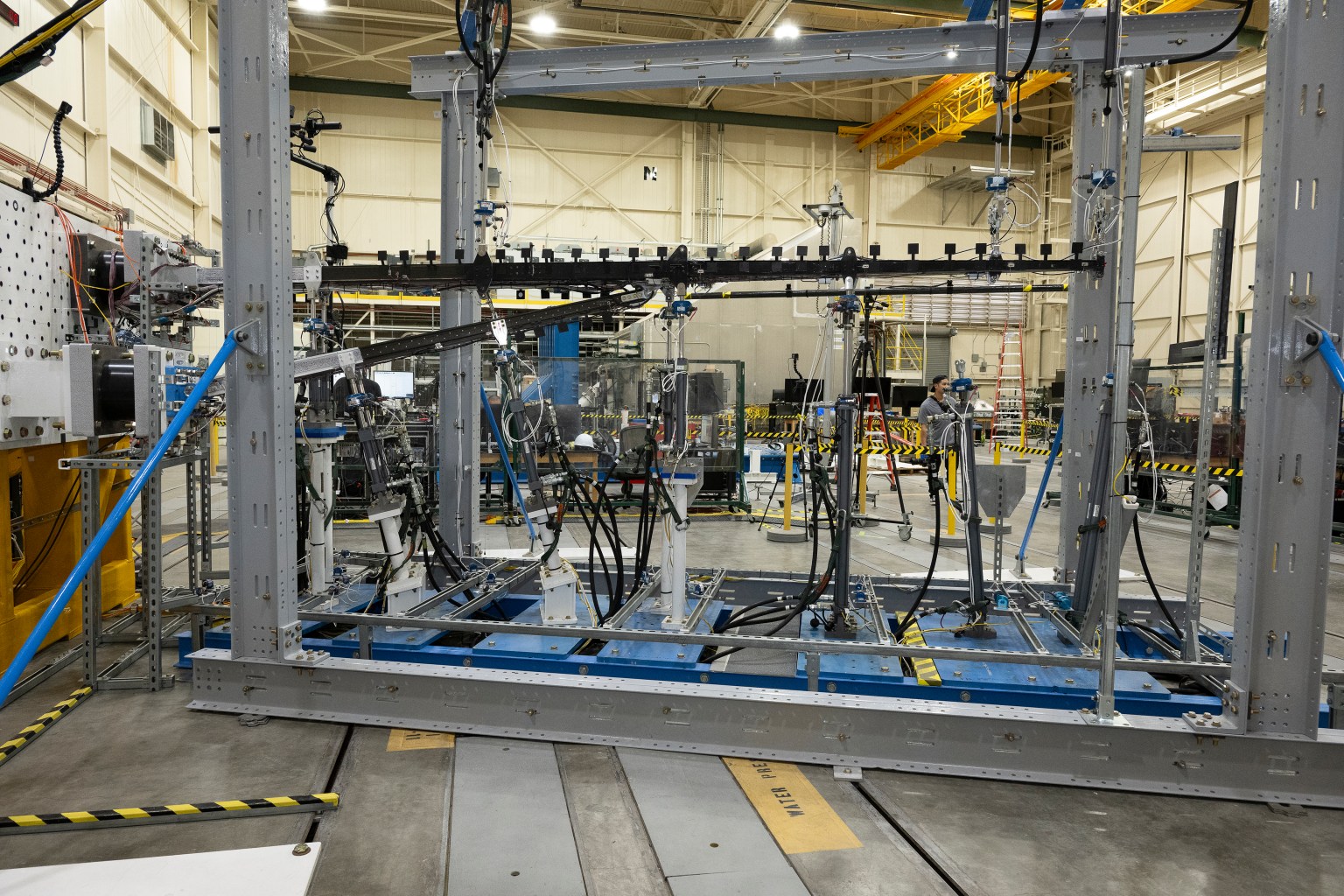
NASA researchers recently put a new wing design, appearing long and thin with a lightweight structural design, through a series of grueling tests to find its structural limits. What they found left them encouraged about the wing’s potential, even when they pushed it past its intended limits. The 15-foot Structural Wing Experiment Evaluating Truss-bracing (SWEET-15) […]
For years, NASA engineers have turned to a tool called the Launch, Ascent, and Vehicle Aerodynamics (LAVA) framework to solve airflow challenges that could mean the difference between mission success or failure. When engineers need to know how a spacecraft will navigate re-entry or whether a new aircraft wing design will create enough lift, they […]
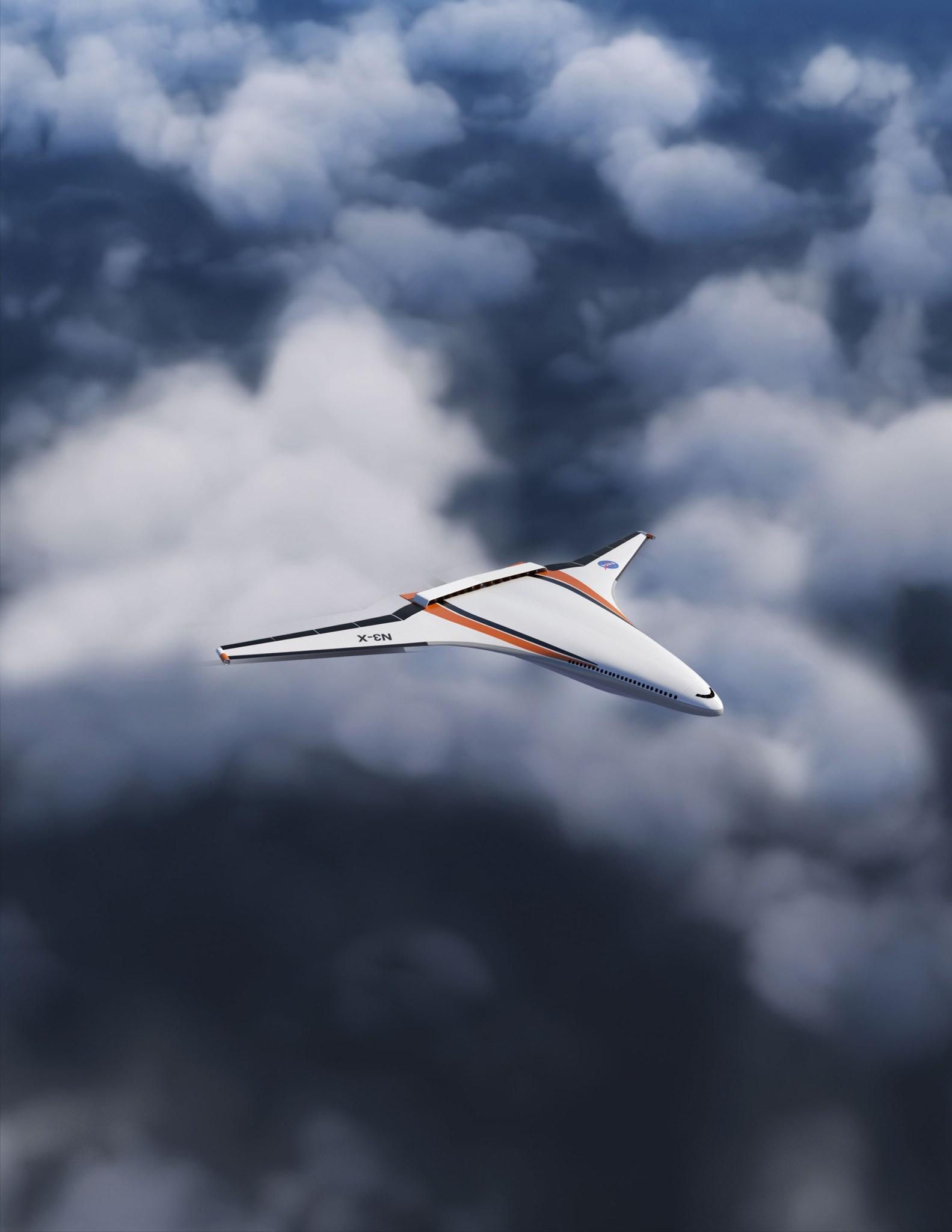
Project Overview NASA’s Subsonic Vehicle Technologies and Tools (SVTT) project develops technologies and tools for various types of aircraft that fly in different speed regimes, including next-generation vertical take-off and landing and fixed-wing subsonic aircraft. The research advances knowledge, technologies, and concepts that enable major steps to lowering operating costs of the next-generation single-aisle aircraft. […]