The United States has licensed Chinese telecom giant ZTE to purchase restricted Nvidia H200 AI chips, but Chinese regulators and domestic procurement initiatives may limit the material impact of the change.
The population of the communities surrounding the Colossus 2 site, which is in the center of a lawsuit involving unpermitted natural gas turbines and pollution, is predominantly black.
The Chinese customs administration attributed the surge to global demand for AI hardware.
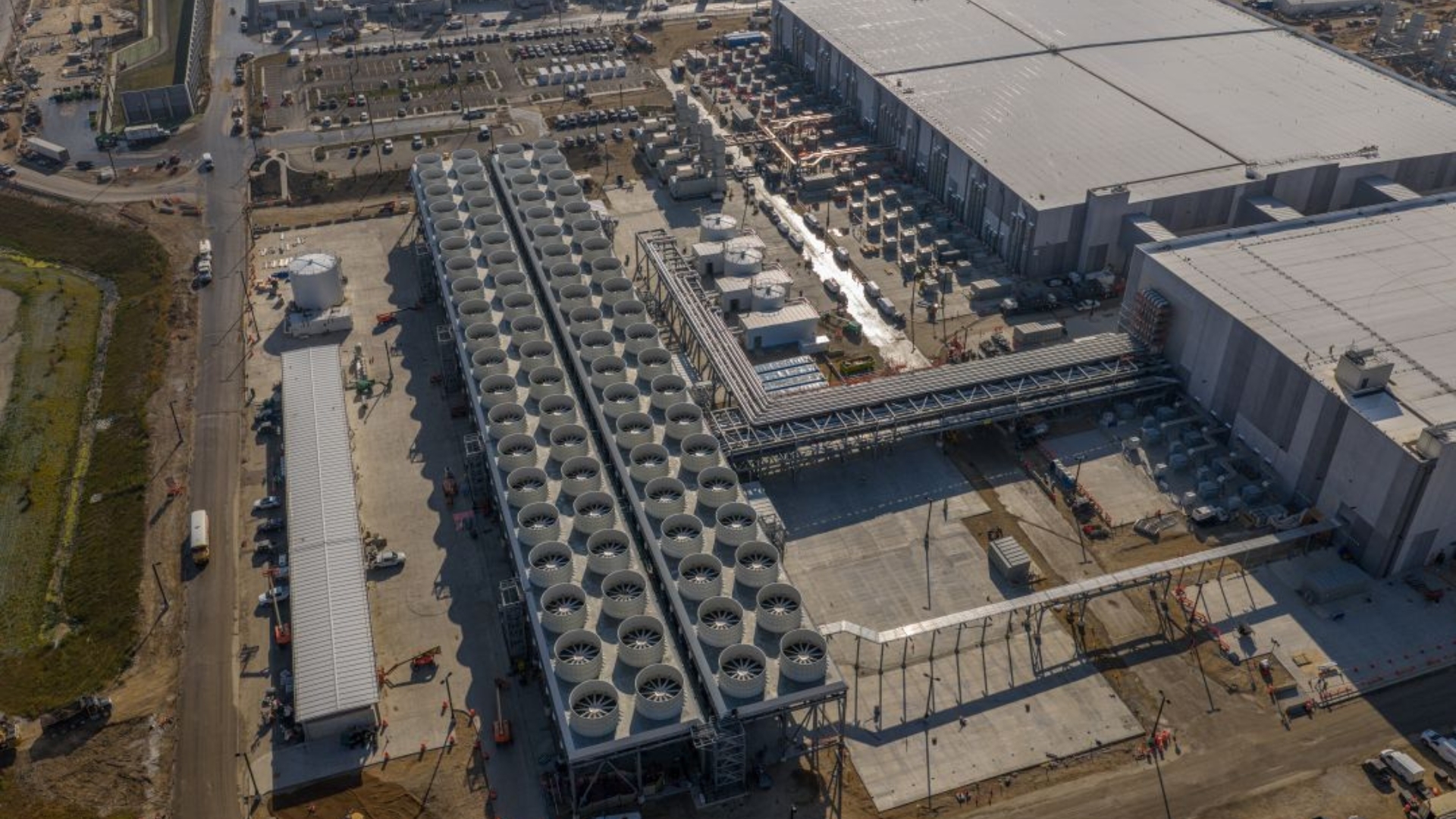
New York is the first to pass a statewide data center moratorium, which pauses all projects greater than 50 MW for one year. The governor’s office said that it will create a GEIS to hold developments to “consistent standards,” and also study the environmental impact of the construction and operation of data centers.
The company culled its list of verified customers, cutting out more than half of its existing client list to reduce incidents of smuggling. Remaining clients have passed more stringent checks, including physical inspections of data centers and interviews with end users.
Researchers created a programmable thermal material that steers heat and retains its state without power, a breakthrough that could benefit AI chips, silicon photonics, and infrared devices.
Samsung Foundry soon to join TSMC in production of Tesla’s AI5 processor, a LinkedIn post reveals.
Running until 2035, the $250 billion spending target is attached to a goal of making 40% of Micron’s DRAM in the U.S. by the mid-2030s.
Intel has unveiled Starfire, a space-grade system-on-chip designed for the U.S. government.
Meta is expanding Hyperion from 2 GW to 5 GW, lifting its Louisiana investment above $50 billion as it races to secure more AI computing capacity.