Tencent is in talks with Manus and other investors to raise the $2 billion needed to buy back the startup from Meta. Beijing ordered the two companies to unwind the deal six months after the surprise announcement of its purchase.
SK hynix raised $26.5 billion in a record-breaking Nasdaq IPO, as it plans to channel the windfall from surging AI demand and sold-out HBM supply to fund new fabs.
Nanya Technology plans capex of more than TW$200 billion ($6.2 billion) in 2027, roughly four times its budget for this year.
Japanese chipmaker Rapidus discloses one more aspect of its strategy: to offer lower quotes than TSMC.
Researchers in Korea and Japan have proposed sideways-stacked DRAM designs that could push future AI memory beyond conventional HBM limits by improving cooling, bandwidth, and capacity while reducing reliance on TSV-heavy vertical stacks.
Chat Control 1.0 sneaks through the EU Parliament, letting companies scan user data without warrants — legal skullduggery used to force a majority-required re-vote on eve of Parliament break
Micron has said it will invest up to $3 billion in the US semiconductor supply chain, with $500 million of that going to GlobalWafers.
Samsung reportedly preps Gaia AI accelerator for client devices that is already being tested by HP and Lenovo.
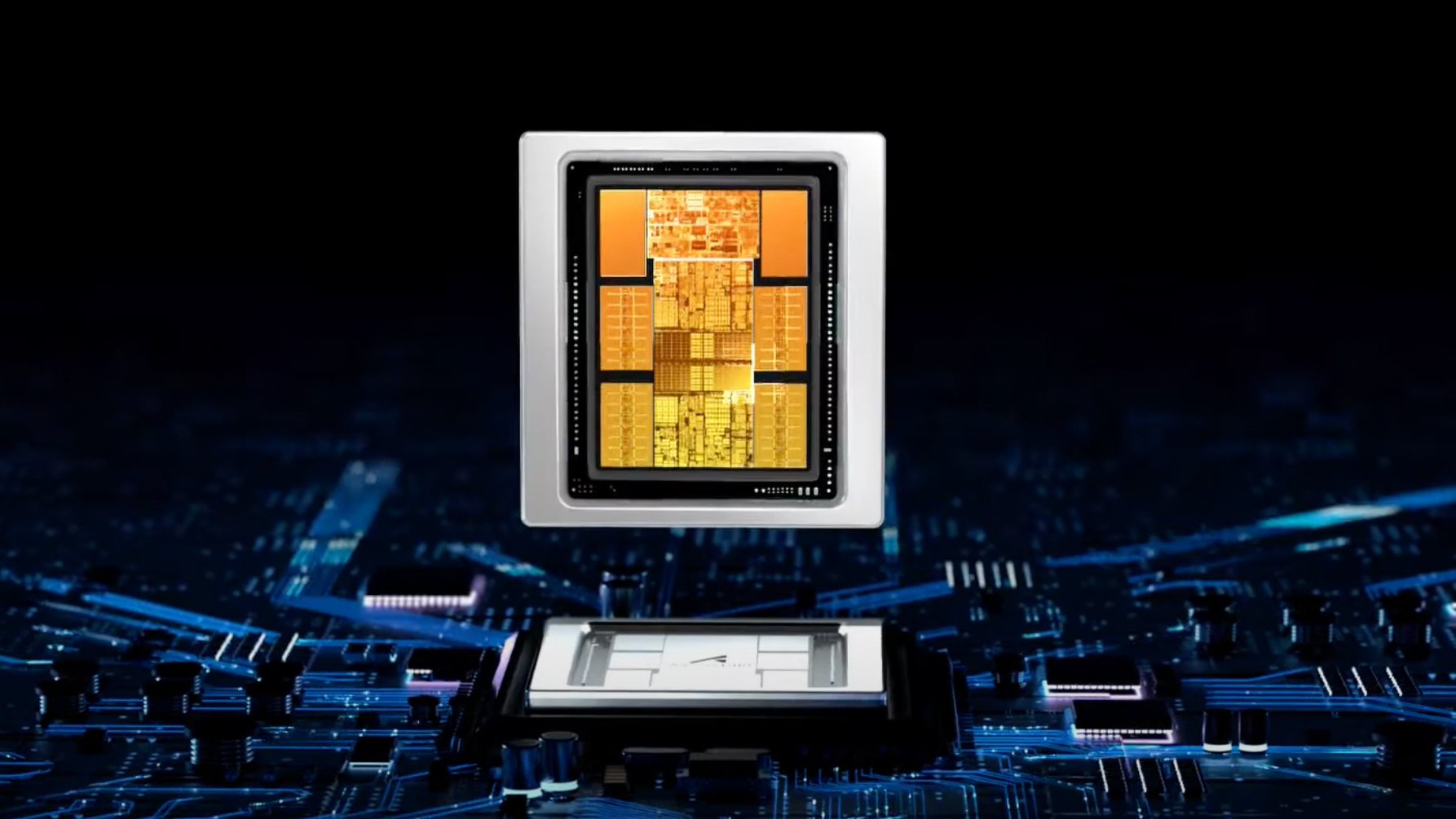
As the U.S. makes up its mind on export controls for Chinese chips, China has been developing its own supply chain, and associated trade network.
A Brown University professor suspected that almost his entire class cheated on take-home mid-term exams using AI tools after they scored unusually high. In-person final exams showed that only two students scored within 10% of their midterm score, with just one getting a higher grade compared to their midterms.