OpenAI confirmed to Hugging Face only this week that models it was testing carried out the July 11 attack on the AI platform’s production infrastructure.
U.S. President Donald Trump expands the ‘ratepayer protection pledge’ to include states, utility companies, and data center developers. He claims that the pledge will help electricity costs go down, even as PJM Interconnect, the largest grid operator in the U.S., increased power costs by 75.5% and slapped Maryland with a $2-billion bill for infrastructure upgrades.
When AMD’s Helios meets giant wafers from Cerebras, it is not like when Odysseus meets with the Laestrygonian Giants, they collaborate to build an ultimate data center solution.
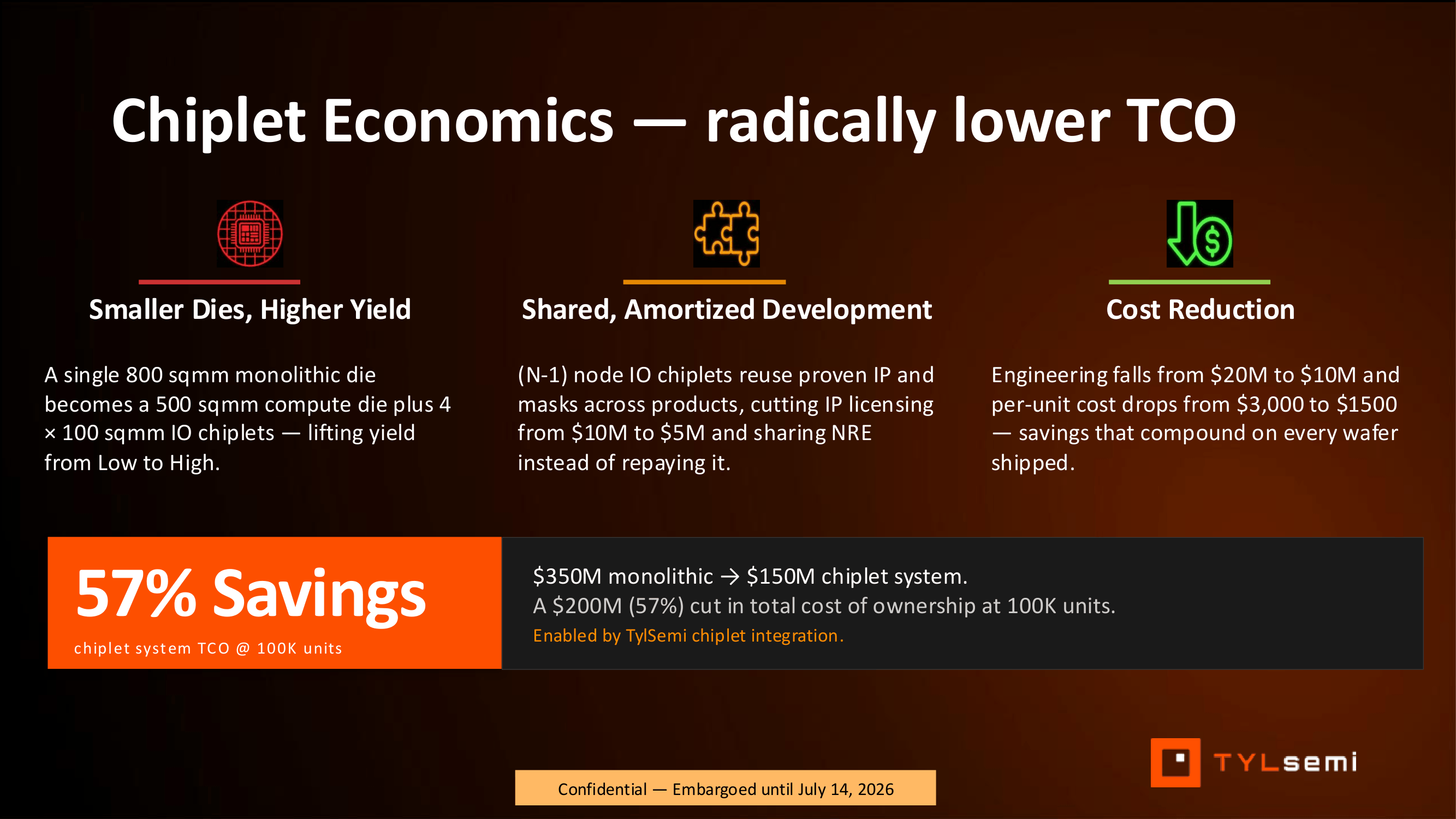
TYLsemi is set to offer pre-validated chiplets, along with custom ASIC design services, and build highly custom multi-tile processors at relatively low costs.
The bill amends the Homeland Security Act and covers companies earning at least $500 million in annual revenue from a model trained with compute costing more than $100 million.
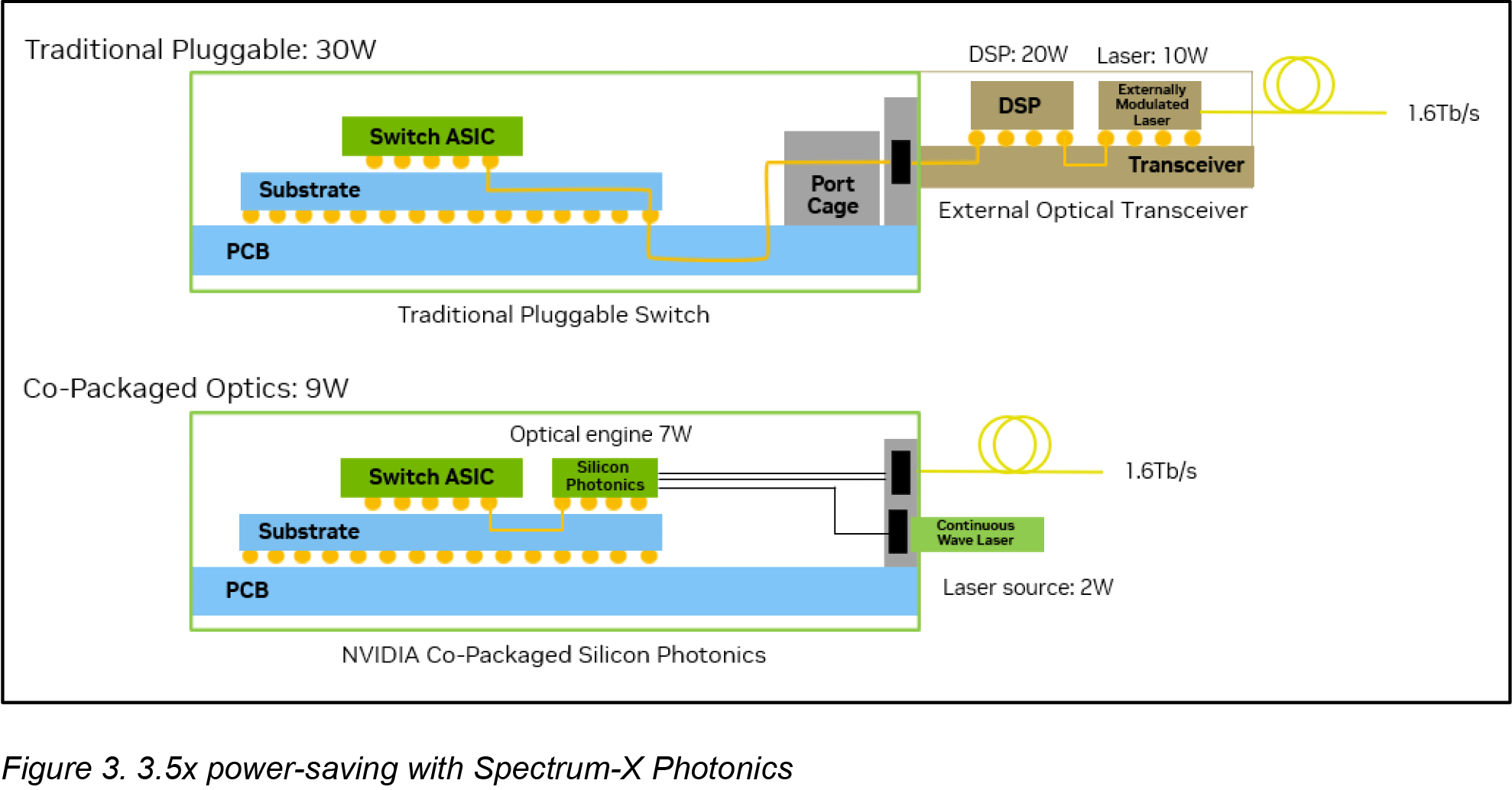
With the limitations of copper looming, the industry is transitioning to photonic interconnects to scale data center capabilities. We spoke to experts such as Lightmatter chief executive Nick Harris about the new scale-out paradigm and the battle for control over emerging standards.
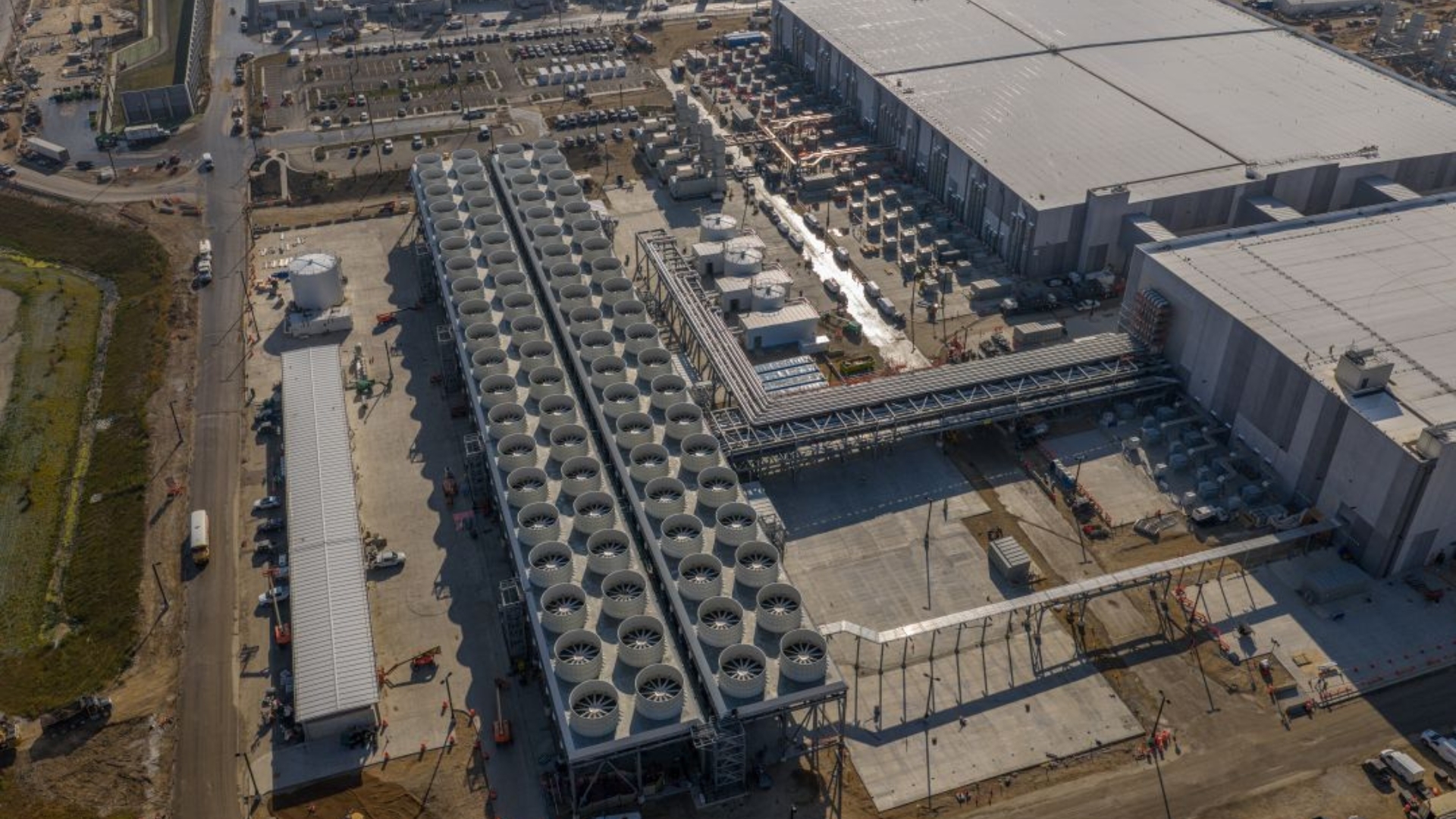
Data center projects are facing increasing opposition from surrounding communities, making consent even far scarcer than the chips and power needed to run these facilities. Any developer planning to construct one must now consider the people living around the proposed site and take account for the months or years needed to approve it, if it even gets the green light.
Oregon set to start charging service providers for undersea cables using its sea floor. It will funnel the millions accrued toward state schools.
Nvidia CEO Jensen Huang raised several points against the rising sentiment in Washington that U.S. firms should be prevented from accessing Chinese AI models. He also advocates for open models, which he says makes AI more secure.
Intel will design, package, and fabricate Fortinet’s sixth-generation Security Processor (SP6) on its Intel 4 node.