Kimi K3 rocks the AI industry as Moonshot AI undercuts closed-source American competitors on price — but the huge 2.8T open-weight model still needs serious hardware to deploy at scale

The trend towards larger AI models continues, with China’s new Kimi K3 model. With its trillions of parameters, it’s just as capable as the best the West has to offer, and it’s cheaper. But it’s not as fast, giving rise to a new battle to balance performance, efficiency, and cost, alongside sovereign control.
Anthropic hit with largest-ever $1.5 billion penalty in copyright lawsuit — court says training AI on published material is fair use, but startup’s pirated library infringes on authors’ rights

The settlement was finally approved by a U.S. federal judge, with a majority of the plaintiffs accepting the amount. A few members of the group refused, citing the small amount compared to the number of infringed titles, and are pursuing a separate lawsuit of their own.
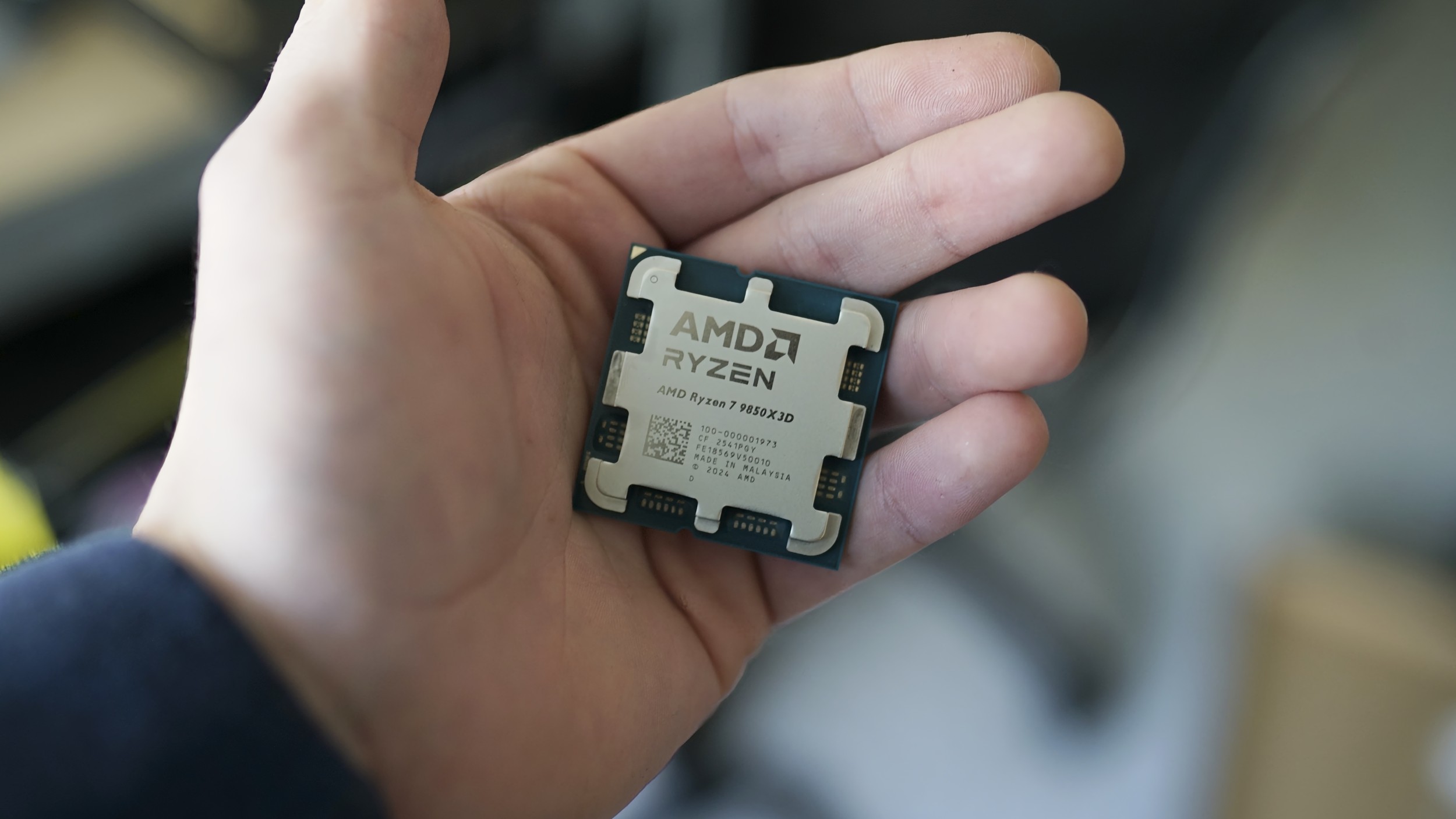
Intel to co-develop and manufacture Fortinet’s next-gen firewall ASIC on Intel 4 — node gets its first named external customer

SP6 will draw on what the companies described as Intel’s expertise in disaggregated semiconductor design and advanced packaging.

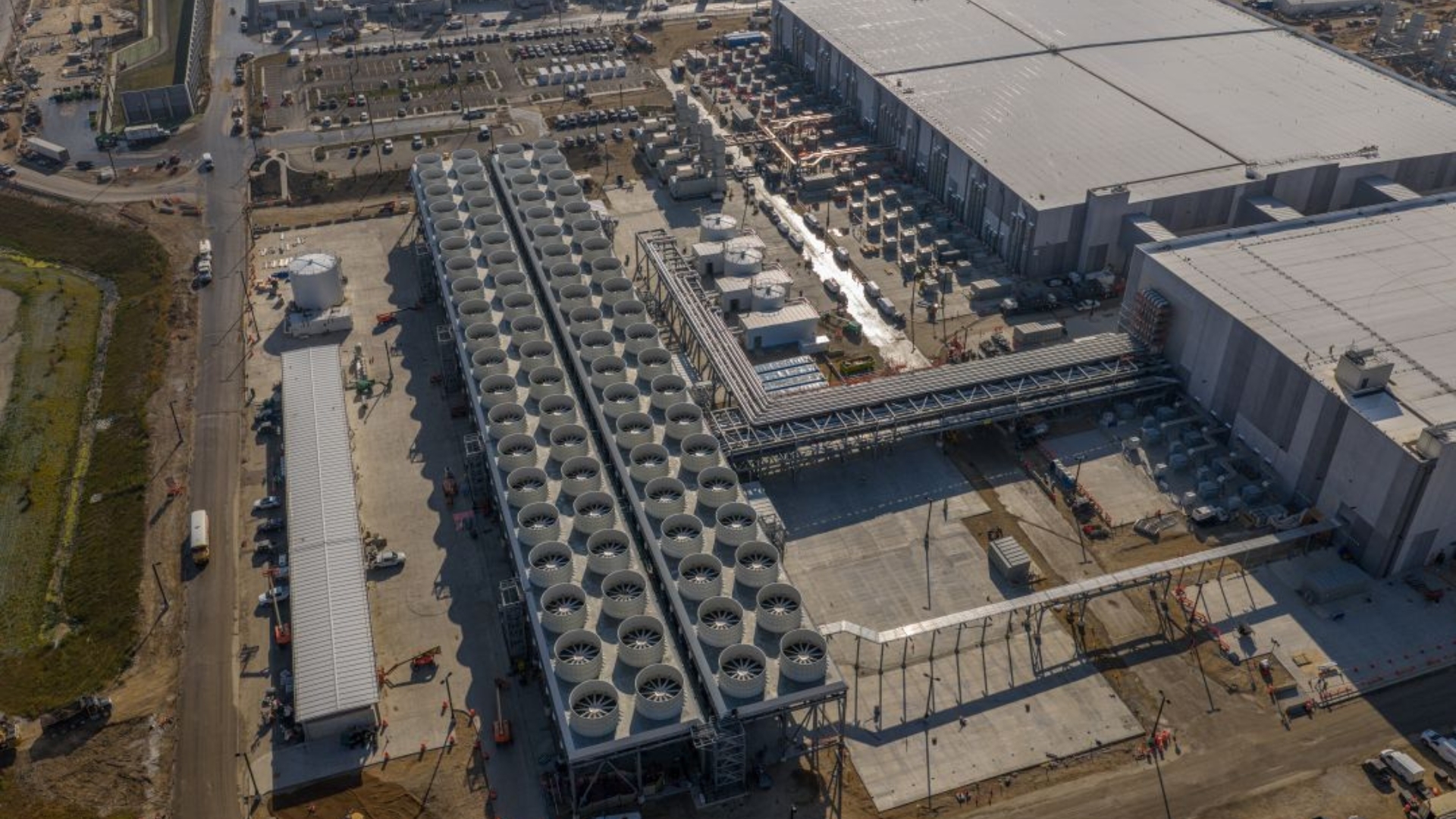
Z.ai powers up a 1-gigawatt AI data center built entirely on Chinese chips, report claims — GLM developer now runs multiple 10,000-chip clusters with zero Nvidia silicon

Chinese AI developer Z.ai (formerly Zhipu) has finished building a 1GW data center stocked exclusively with domestically made chips and has switched part of it on.
TSMC eyes price hikes of up to 25% on chip production services in 2027, report claims — plans to raise baseline prices by 5% to 10% on advanced nodes

TSMC reportedly intends to increase prices of wafers it processes citing demand, rising costs, and increased investments in new capacity.

Intel layoffs to hit Data Center group — division focused on server CPUs, AI chips, and data center architecture to be hit by an unknown number of cuts

Intel plans to cut the employee numbers of its Data Center group, months after announcing record growth since its disastrous announcement in 2024.

SMIC’s third-gen 7nm node shows smaller metal pitch than Intel 18A, higher transistor density than TSMC N6 without EUV — analysis of N+3 shows significant advancement for Chinese semi manufacturing

SMIC’s N+3 process technology can achieve transistor density comparable to TSMC’s N6 without using EUV lithography, but it fails to deliver performance or efficiency of modern production nodes.

Google reportedly developing ‘Frozen v2’ chip with Gemini’s architecture etched into the silicon — engineers project 6 to 10 times more tokens per watt than latest TPUs

Google is developing a server chip, informally dubbed “Frozen v2,” that would etch part of its Gemini model’s architecture directly into the silicon.
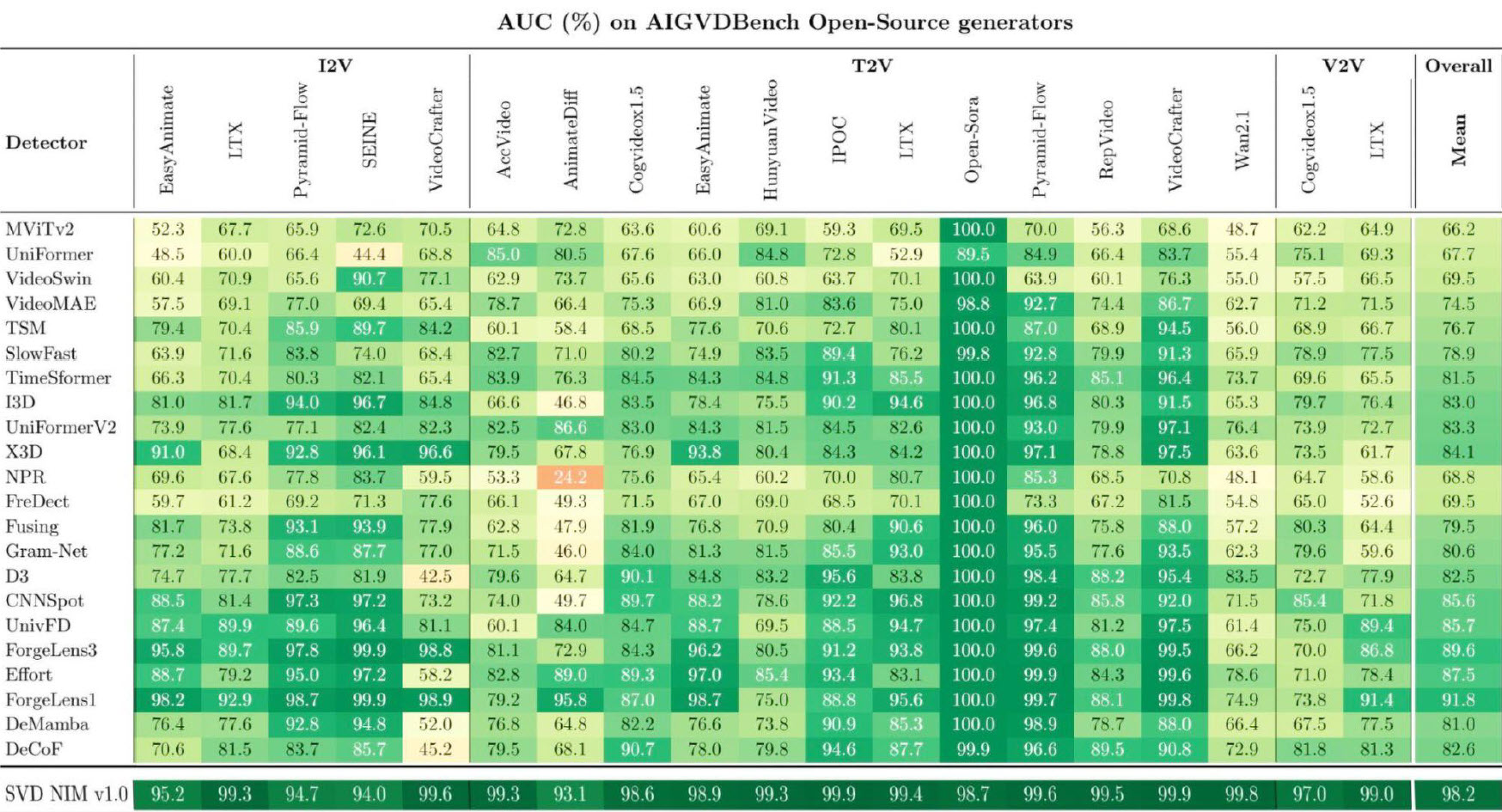
Nvidia’s new Synthetic Video Detector can identify fake AI videos with up to 92% accuracy — microservice based on cutting-edge research looks to combat misinformation in broadcasts with just 22ms processing time

Nvidia has just created an antidote to the virus that is AI misinformation. The company’s new Synthetic Video Detector can help broadcasters assess 1080p footage at scale with processing times of just 22ms and up 92% accuracy for uncompressed videos.

The enduring paradox of the AI economy — models get better and more efficient, yet costs can still easily spiral out of control

Token amplification creates a paradox in the AI economy, as more capable models beget more complicated tasks.