
We have written about why AI companies are buying up old books: printed before the internet filled with machine-made text, they are a clean source of language, free of AI slop. This is what that hunger looks like from the other end. In Australia, secon…

Adobe made its name here on restraint. Project Indigo, the experimental iPhone camera app it launched a year ago, sold photographers a natural, SLR-like look. It skipped the heavy processing that most phone cameras bake in by default. The latest update…

The fight over AI in Hollywood used to be about the future. This month it turned into a fight about the present. Within days, a studio, a director and a union each drew a line. The lines do not agree. Taken together, they show an industry that has alre…
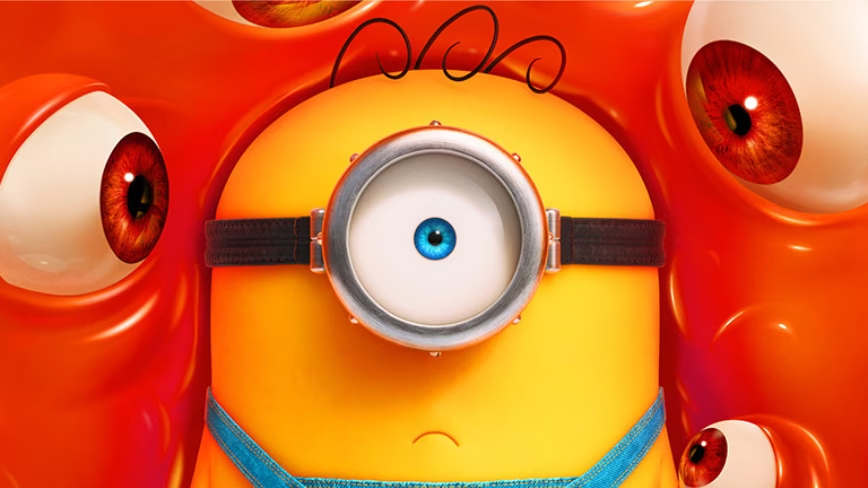
[tldr]Universal’s Minions & Monsters topped the US July 4 box office with roughly $64m over its first five days, the weakest opening in Despicable Me franchise history and far below the $120m-plus debuts of its two predecessors. The soft start rais…

A self-publishing platform exists to say yes. Kobo’s, last year, spent a remarkable share of its time saying no. Rakuten Kobo rejected 45% of the titles submitted to Kobo Writing Life, its self-publishing service, in 2025, and chief executive Michael T…
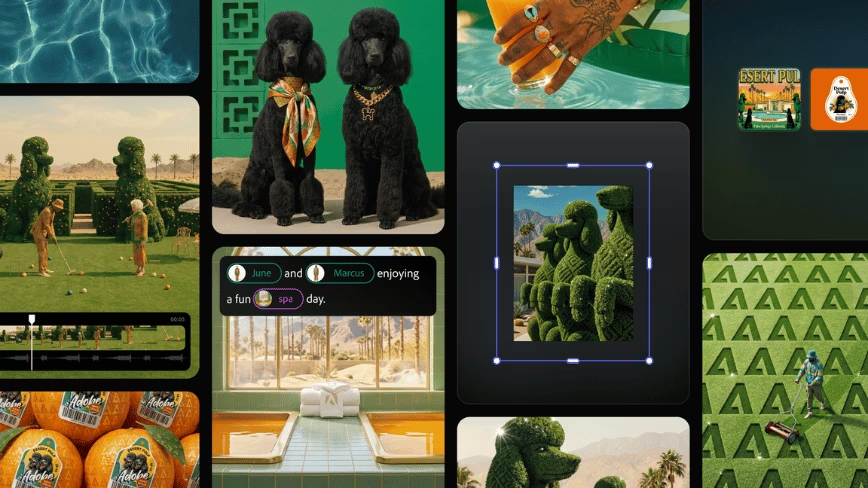
Adobe has spent two years bolting AI onto its software. This week it tried to become the AI layer underneath everything creative and marketing, in five announcements stretched across three days. The headline is an agent inside the apps. The rest of the…

Artificial intelligence is accelerating content creation at a pace few people could have imagined even a few years ago, yet the brands that earn lasting relevance in the years ahead will not be distinguished by how much content they produce. They will …
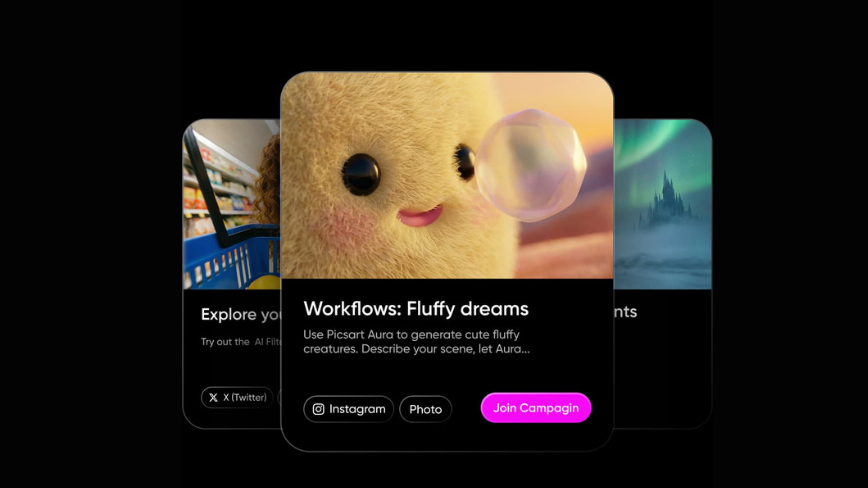
The AI design platform is paying creators based on engagement performance rather than audience size, marking its transition from a tool into a platform where creators can earn directly. The launch follows an AI agent marketplace the company introduced …
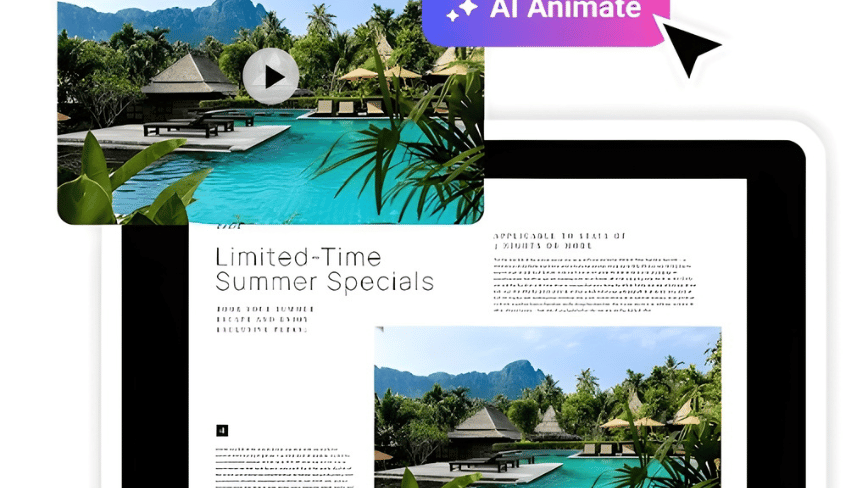
Interactive content now generates 52.6% higher engagement than static formats, with users spending significantly longer interacting with dynamic media and showing higher recall for brands that use it. In practical terms, that shift may have transformed…
AI chatbots may feel creative on their own, but new research shows they often converge on the same ideas, raising concerns that relying on them could quietly narrow human creativity.