
Micron’s New York manufacturing facility is back in the crosshairs of another environmental lawsuit, claiming its wastewater and air permits should be nullified.
Lexar’s latest Thor RGB kit likely uses CXMT-made DRAM, but its pricing remains comparable to premium DDR5 memory from established brands.
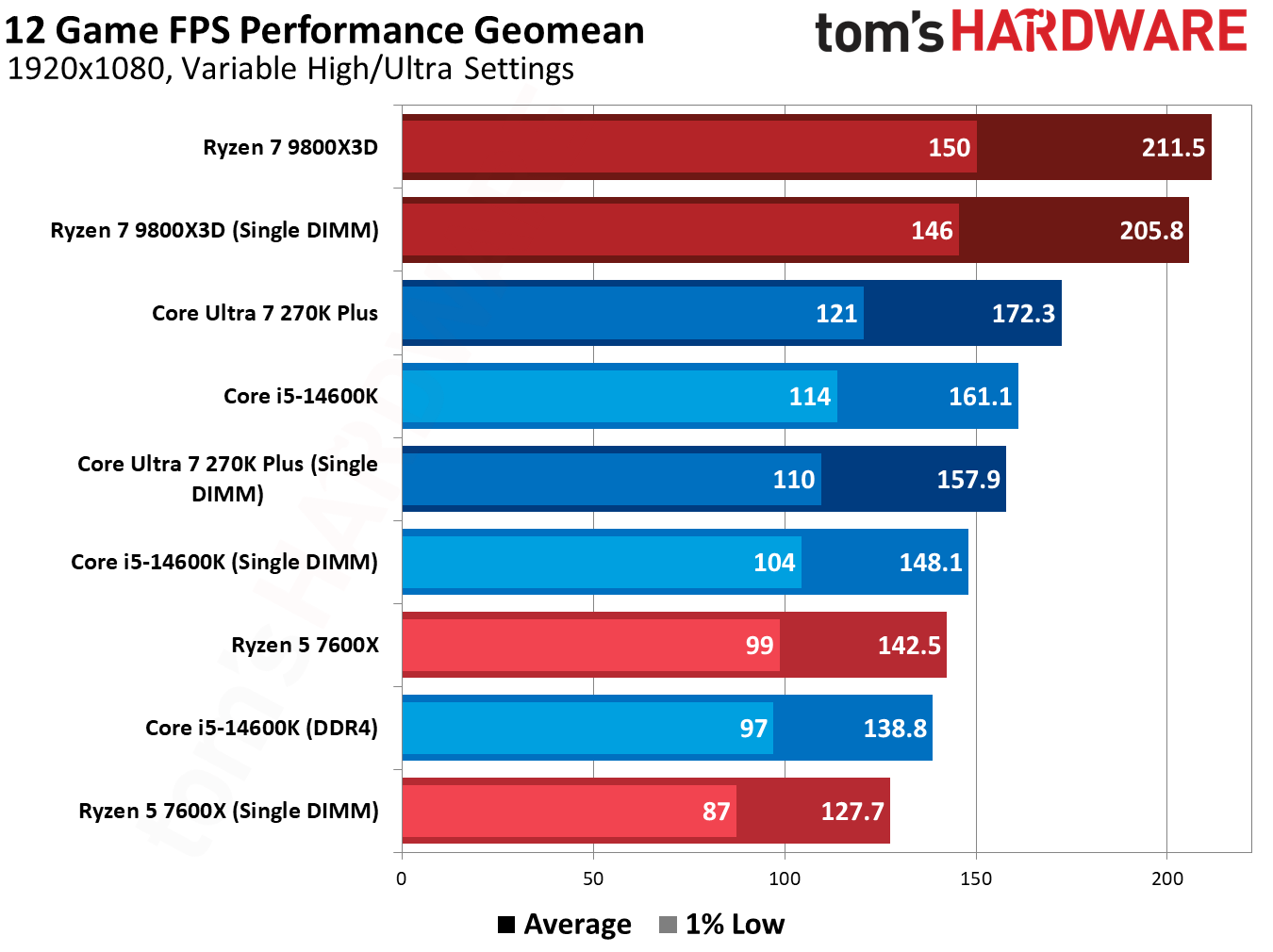
To avoid rising RAM costs, some PC builders and OEMs have shifted toward using a single DDR5 module for gaming PCs. We test how much of a performance loss that actually represents.
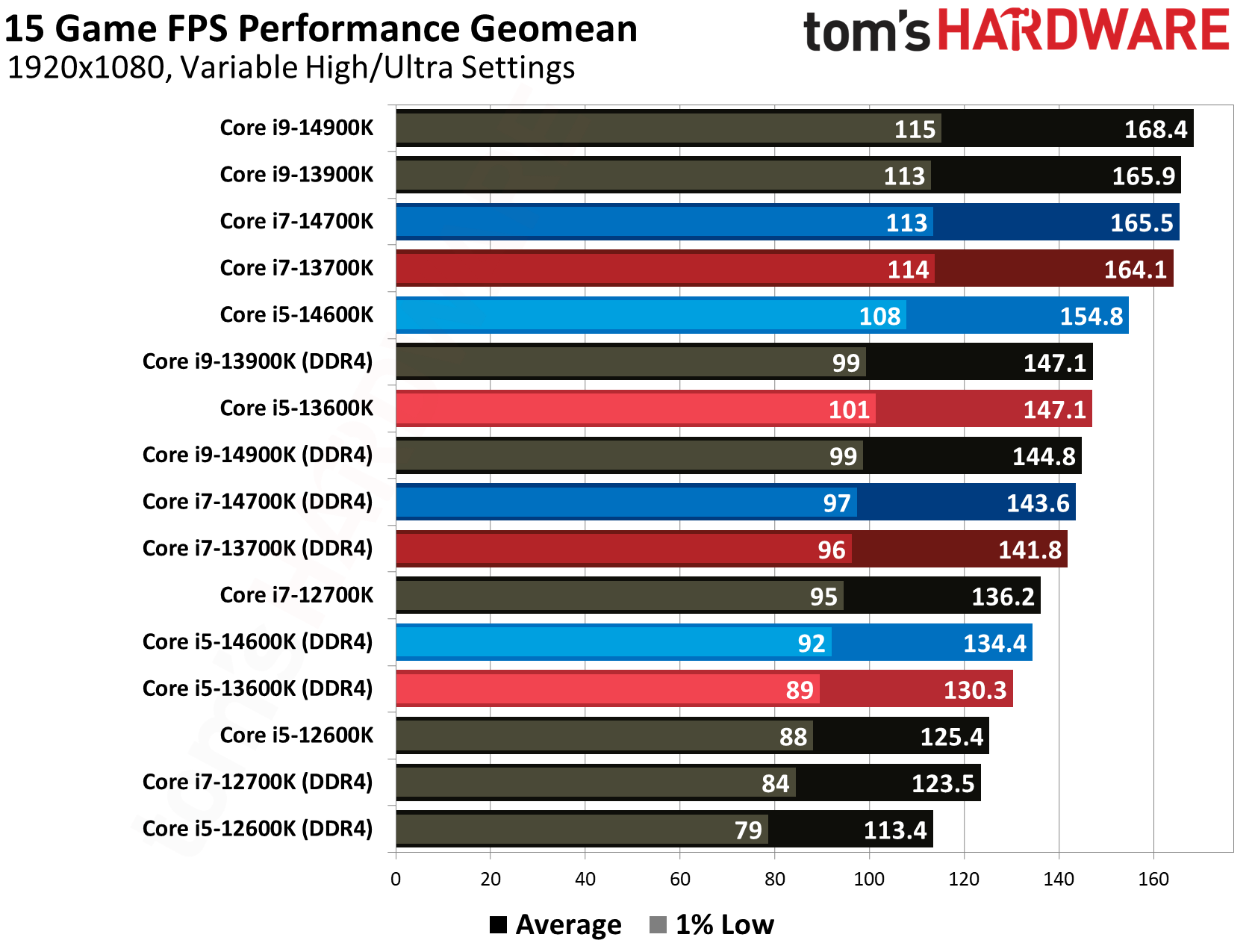
Given the unprecedented surge in memory prices, we’re looking back on Intel’s LGA 1700 stack of CPUs to see how DDR4 and DDR5 match up with our modern gaming suite in 2026.
Chinese retail listings indicate that CXMT-based memory modules are priced similarly to those featuring chips from the big three, despite expectations that they must be cheaper.
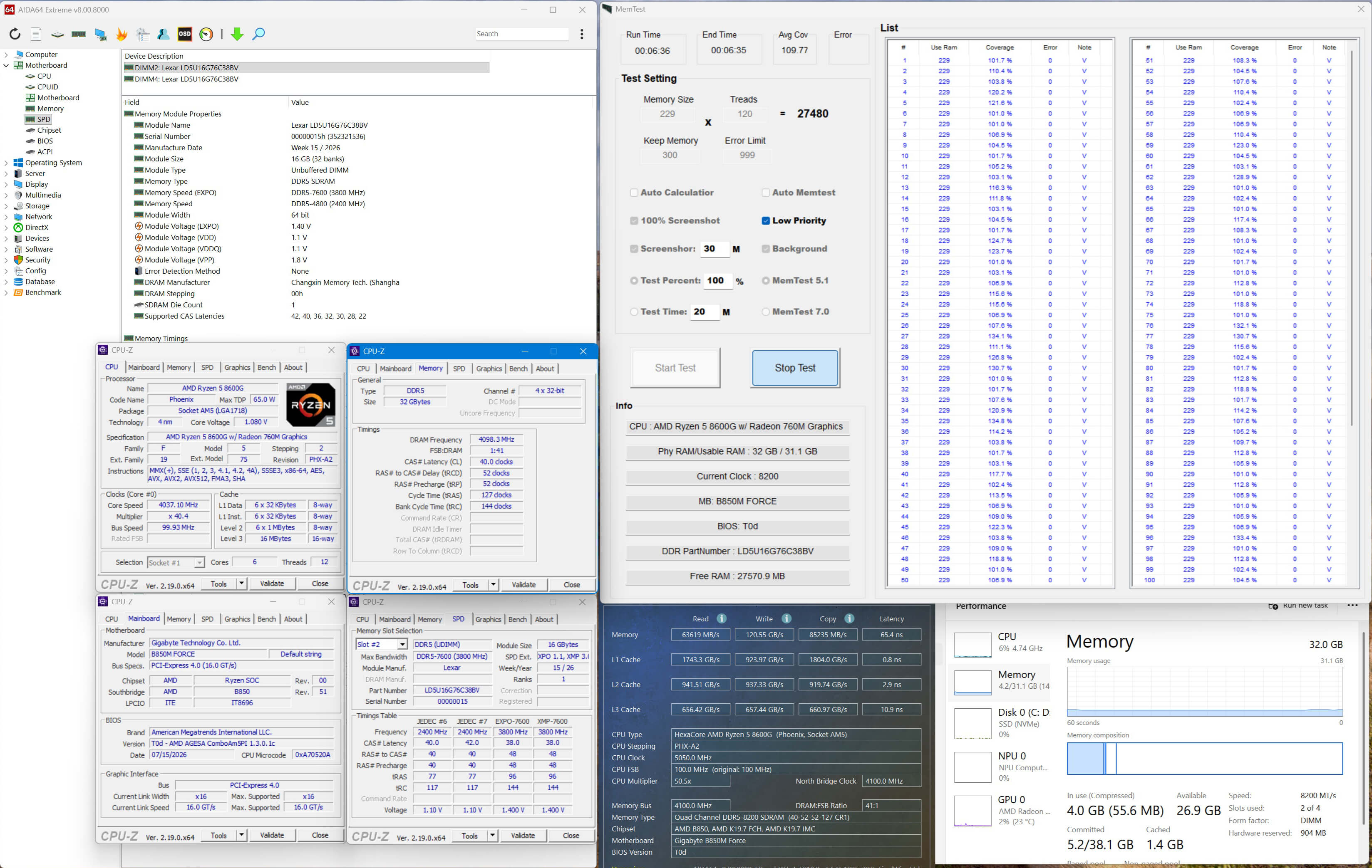
The performance is impressive and it’s good to see official support, but the question remains whether you can actually buy any of it.
U.S. lawmakers demand Commerce Secretary Howard Lutnick to ban imports of memory chips from China to the U.S., ask allies to do the same.
Early testing hints that CXMT-made DDR5 RAM performs worse than SK Hynix-made DDR5 at the same clock speeds, while being harder to manually overclock as well. It also allegedly doesn’t scale with voltage or allow the subtimings to be tuned properly.
As CXMT’s DRAM capacity set to match Micron’s, China’s DRAM industry could become world’s second largest after South Korea.
SK Hynix CEO Kwak Noh-jung says the memory shortage will get even worse in 2027, and claiming the RAM crunch will last at least until the turn of the decade.