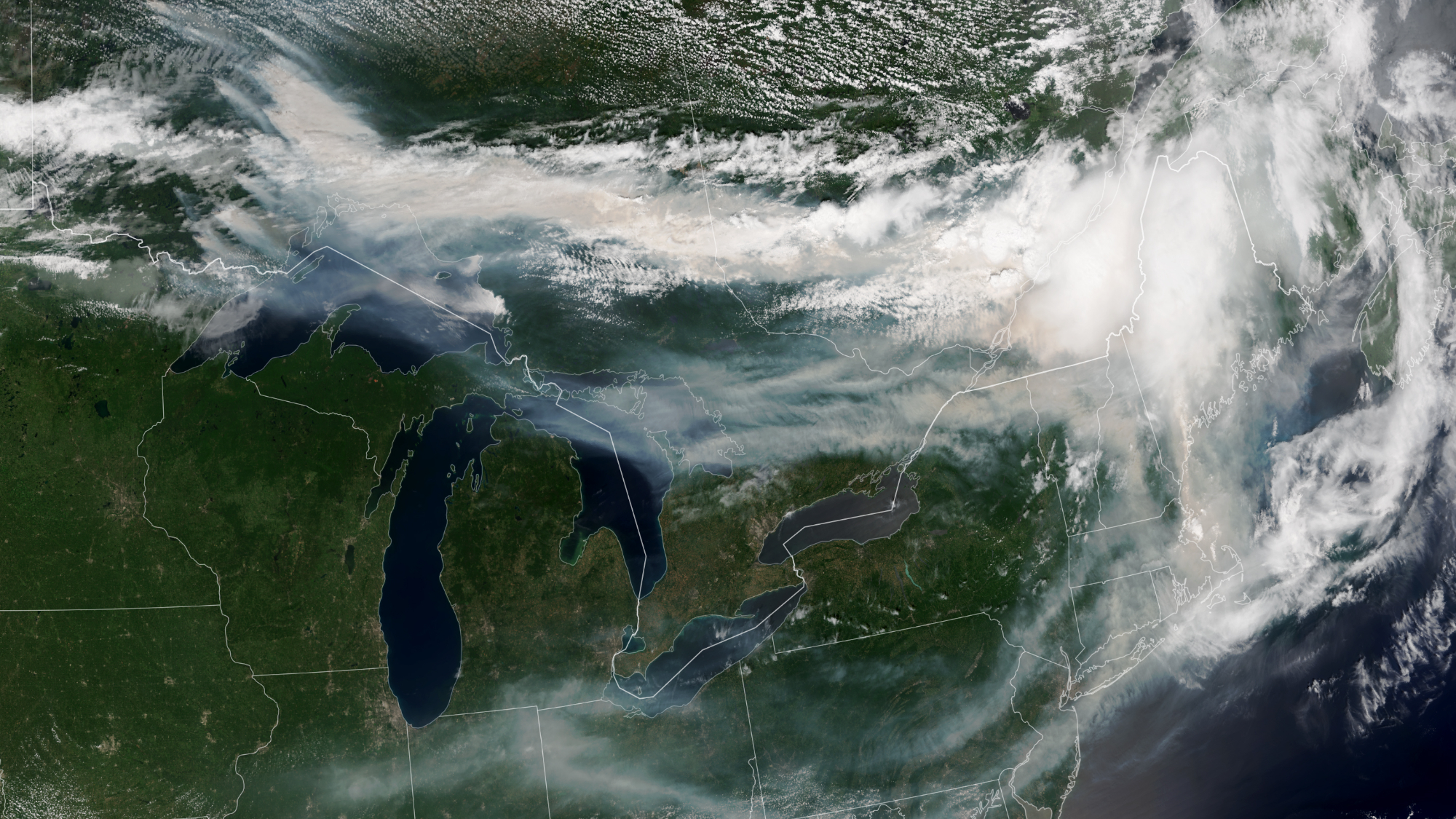
Satellites have captured images of the billowing smoke.
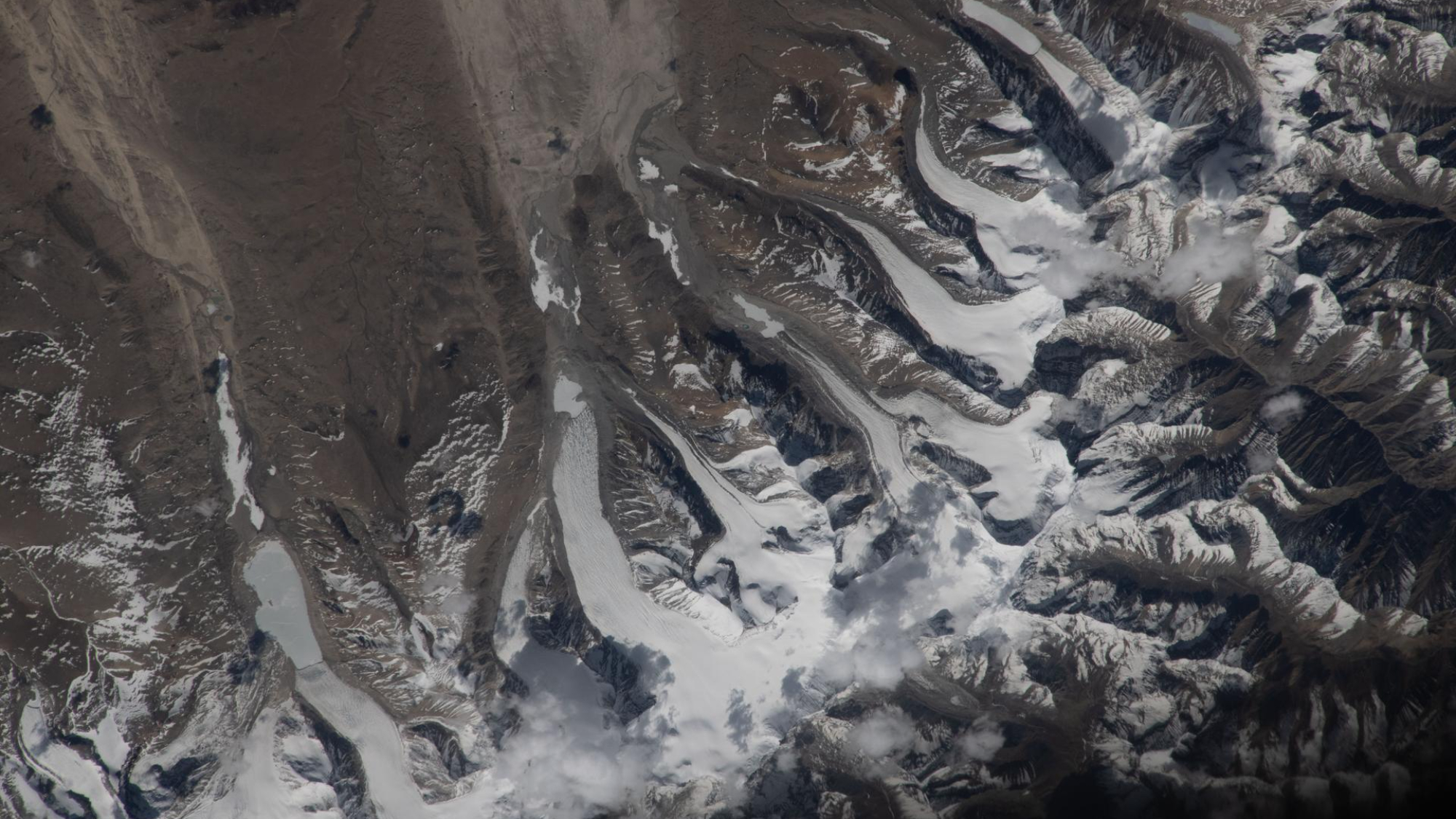
Glacial ice carves its way downhill.
“Allowing a million orbiting data centers with no environmental review isn’t just irresponsible — it’s reckless.”
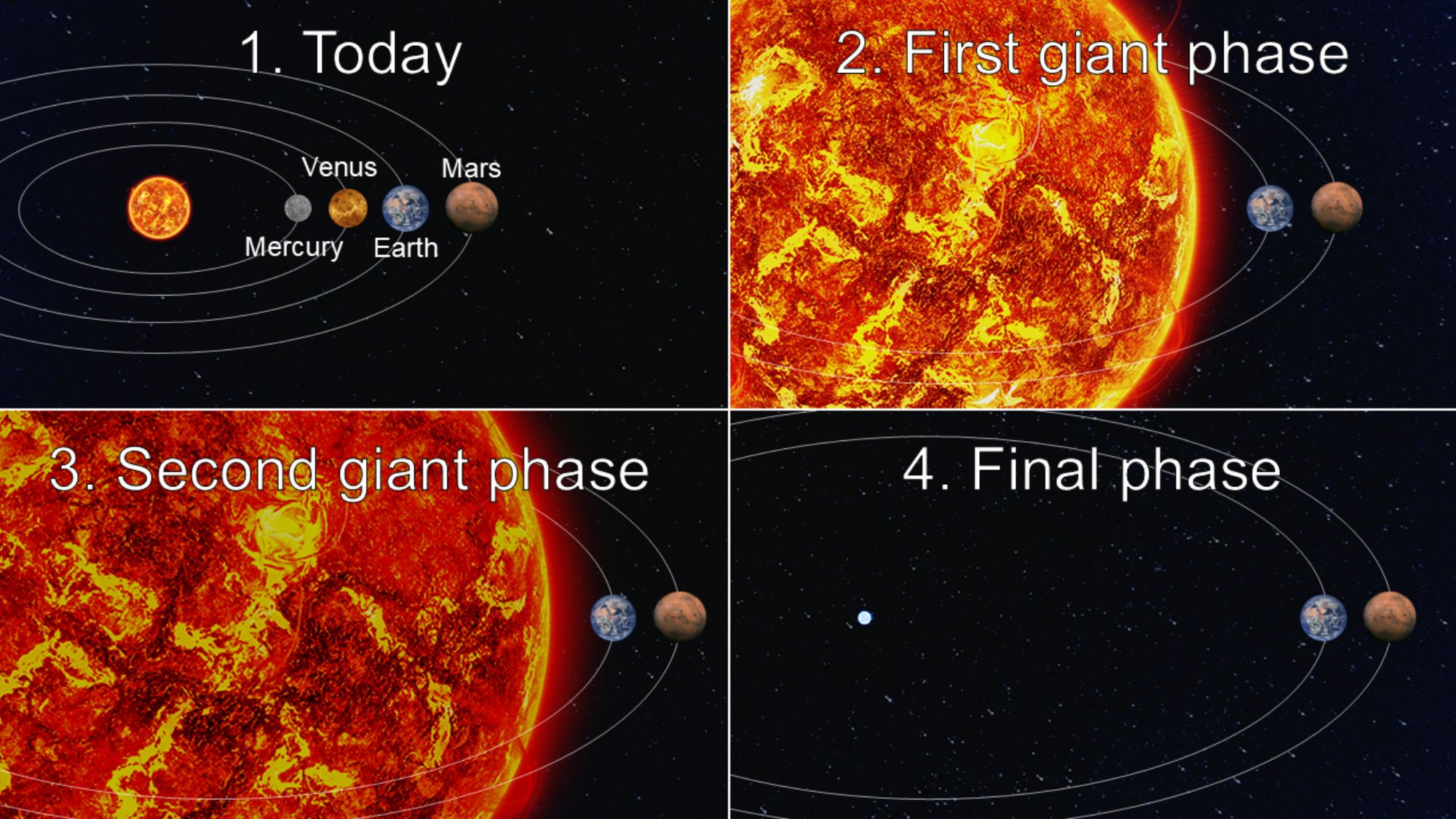
When the sun swells into a red giant about 5 billion years from now, Earth may escape being swallowed by the dying star, a new study suggests.
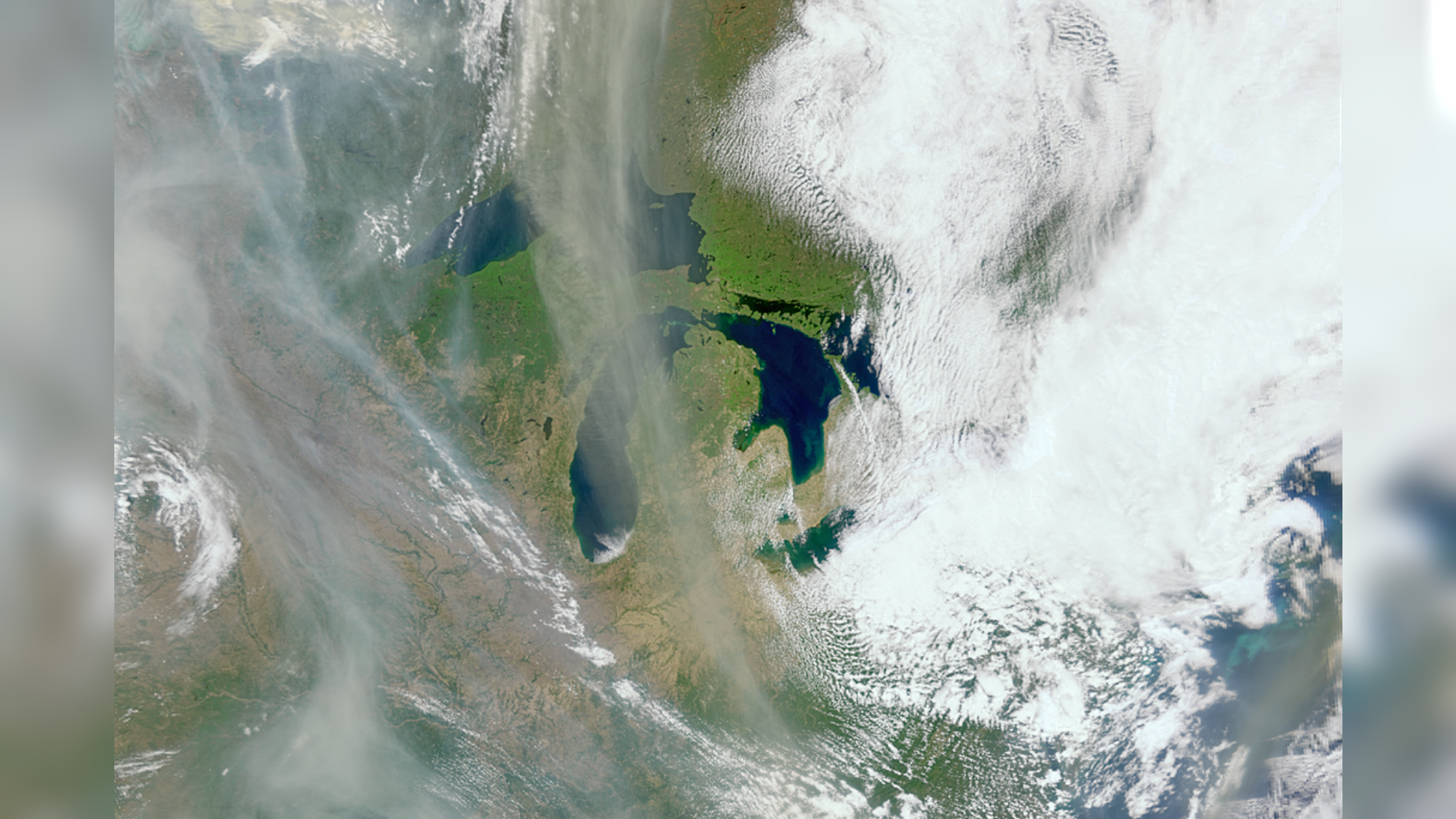
A NASA satellite has found an unintended, important purpose.

The Northwest Earth and Space Science Pathways (NESSP) project recently concluded its 2025–2026 ROADS (Rover Observation And Discoveries in Space) from Earth to Venus National Challenge, a NASA Science Activation program student challenge that engaged more than 500 students on 120 teams from eight states in authentic science and engineering experiences inspired by Venus exploration. […]
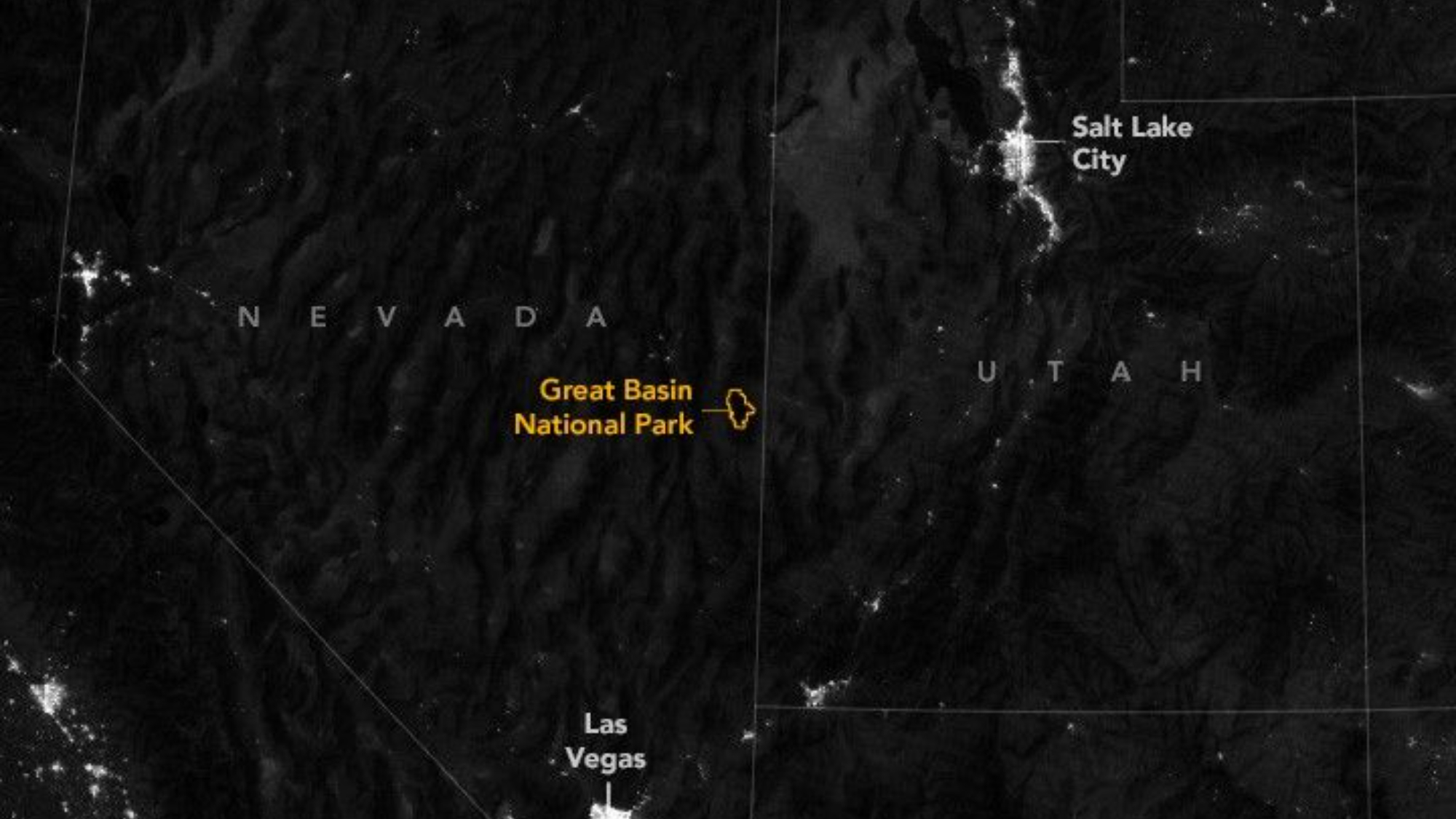
Researchers combined satellite data and visitor surveys at dark-sky parks to quantify the economic value of dark skies amid rising light pollution.

With the North American fire season underway, and a record number of acres already burned nationwide, NASA’s Plankton, Aerosol, Cloud, and ocean Ecosystem (PACE) satellite’s three instruments are observing vegetation precursors to fires, along with plumes of smoke and their movement. This data will help scientists piece together clues that deepen their understanding of wildfires. […]
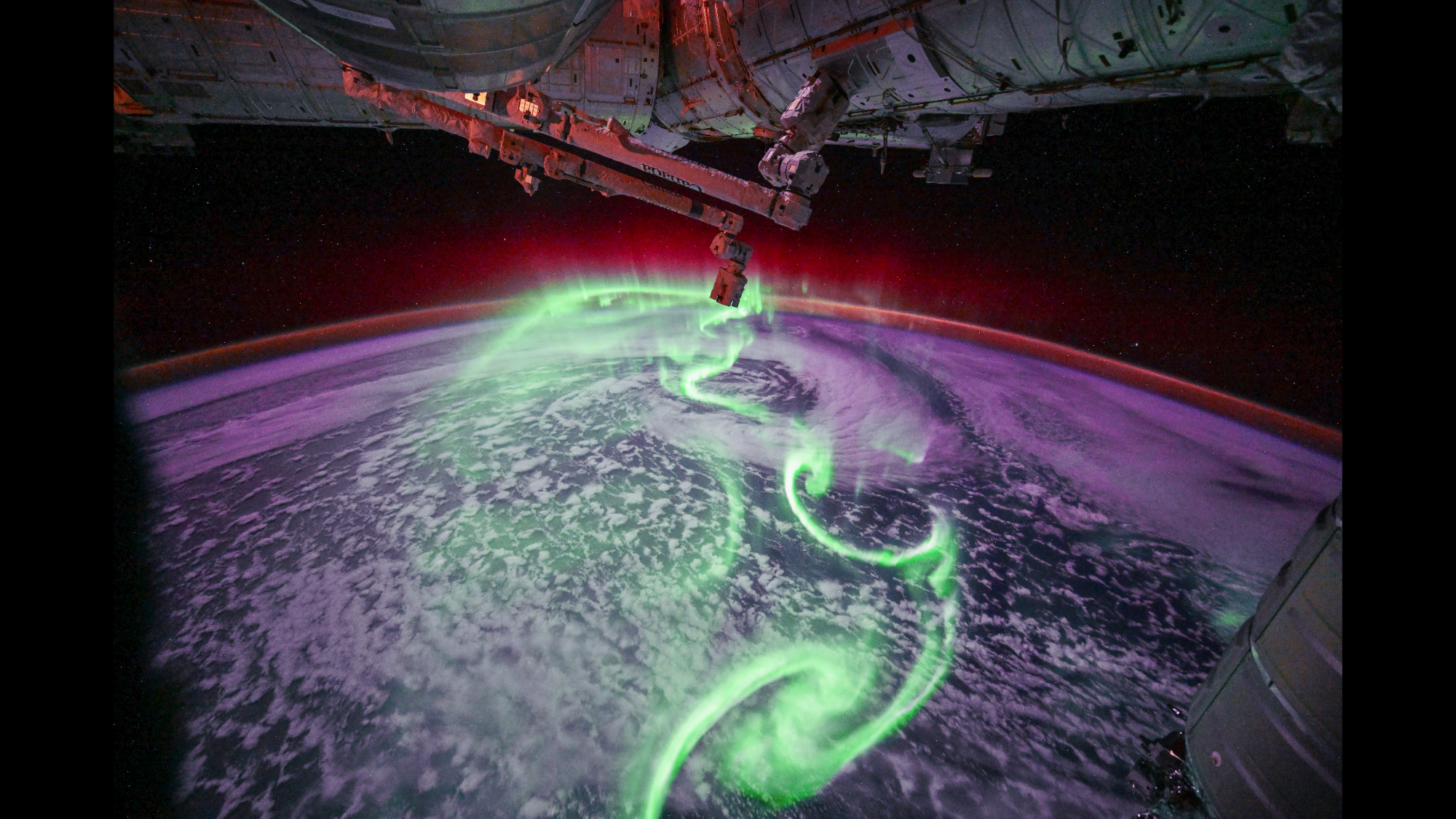
This is truly a view like no other.