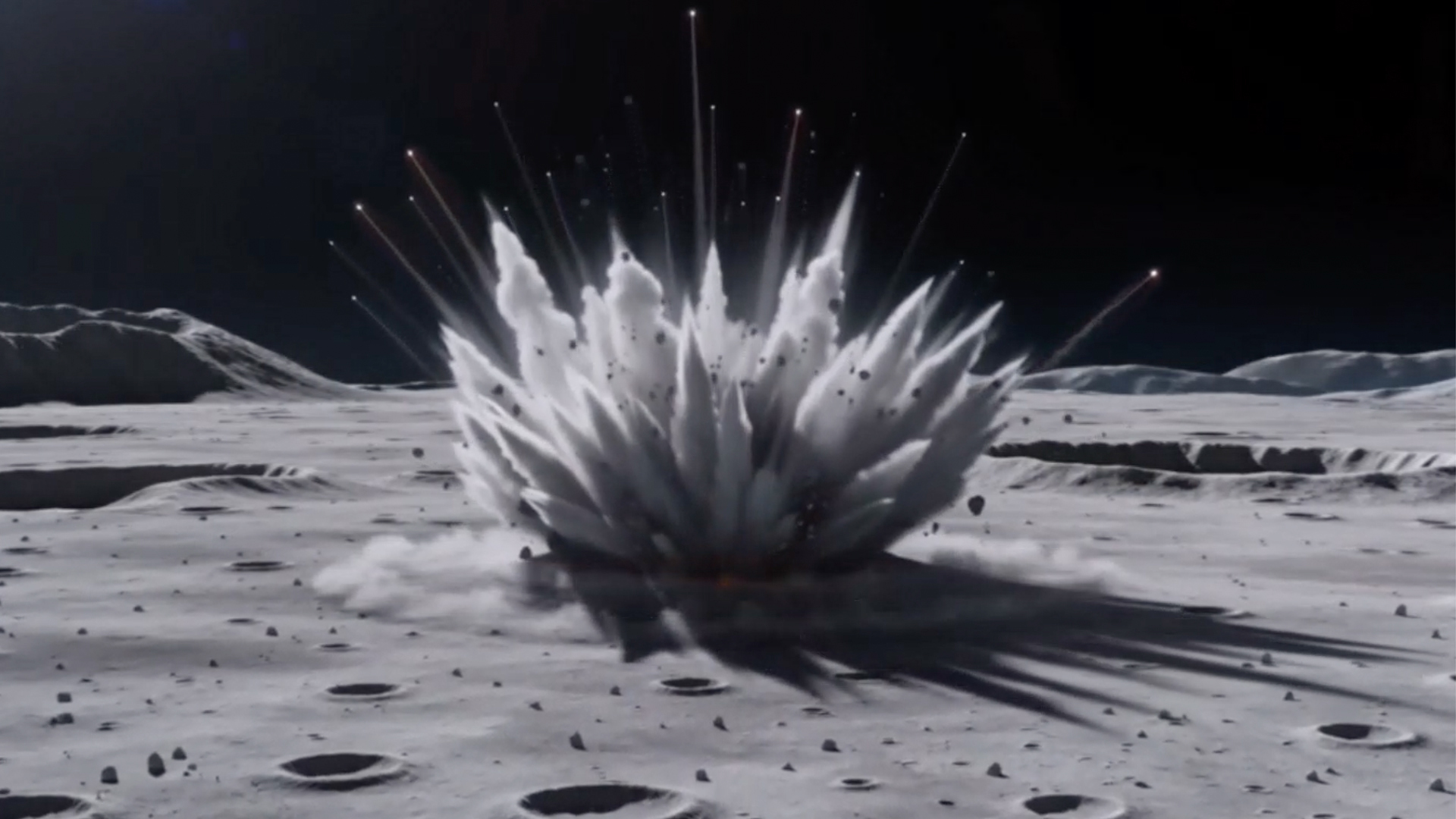
While the impact itself probably won’t be visible from Earth, observers may have a chance to spot a plume of debris rising above the lunar surface.
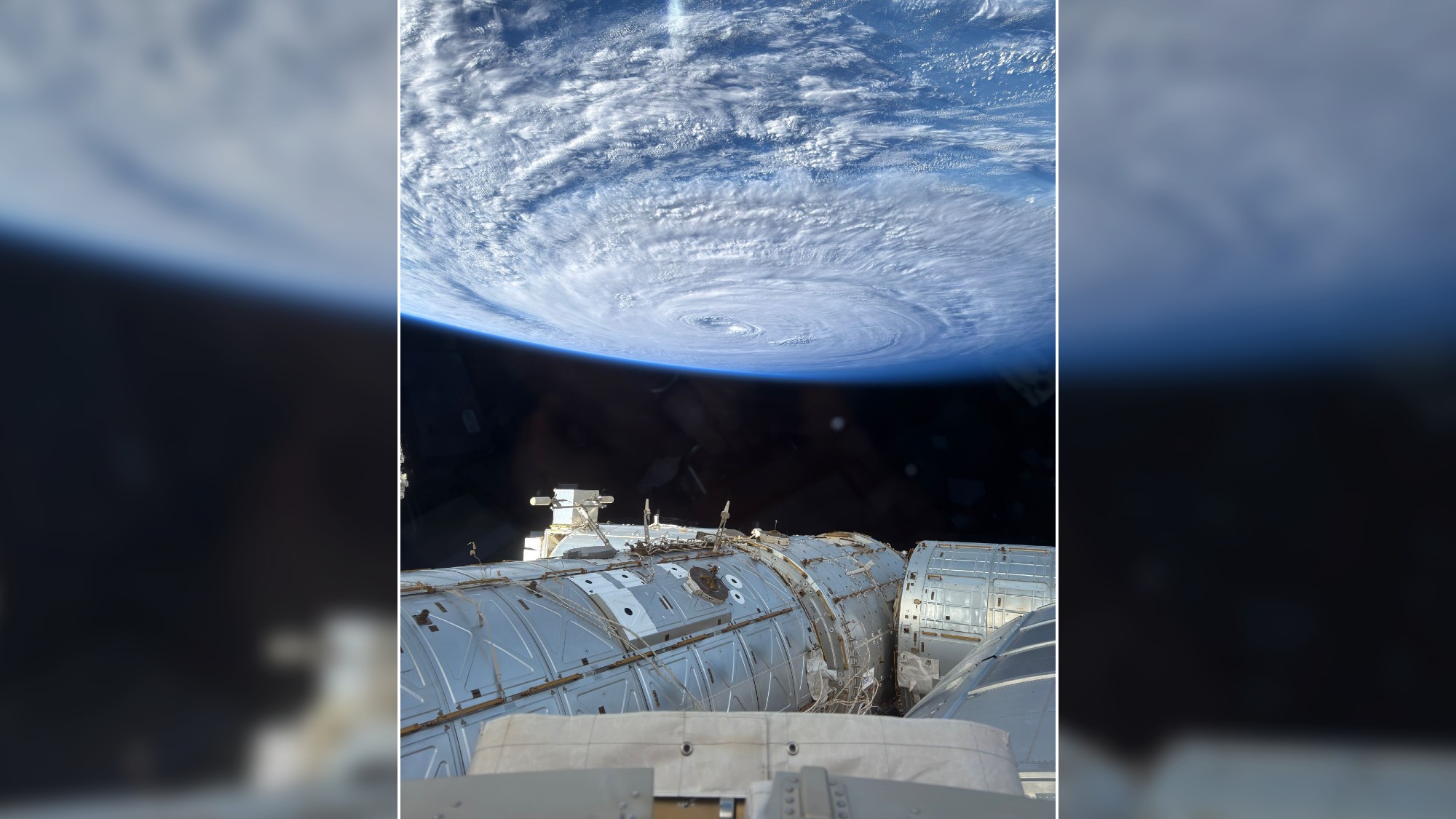
From the International Space Station on Aug. 2, 2026, NASA astronaut Anil Menon captured an incredible photograph of a swirling typhoon in the Pacific Ocean.
A new analysis of decades-old data from NASA’s Spirit rover has uncovered overlooked traces of crystalline hematite and altered magnetite, adding to growing evidence that liquid water once played a major role in shaping the Red Planet.
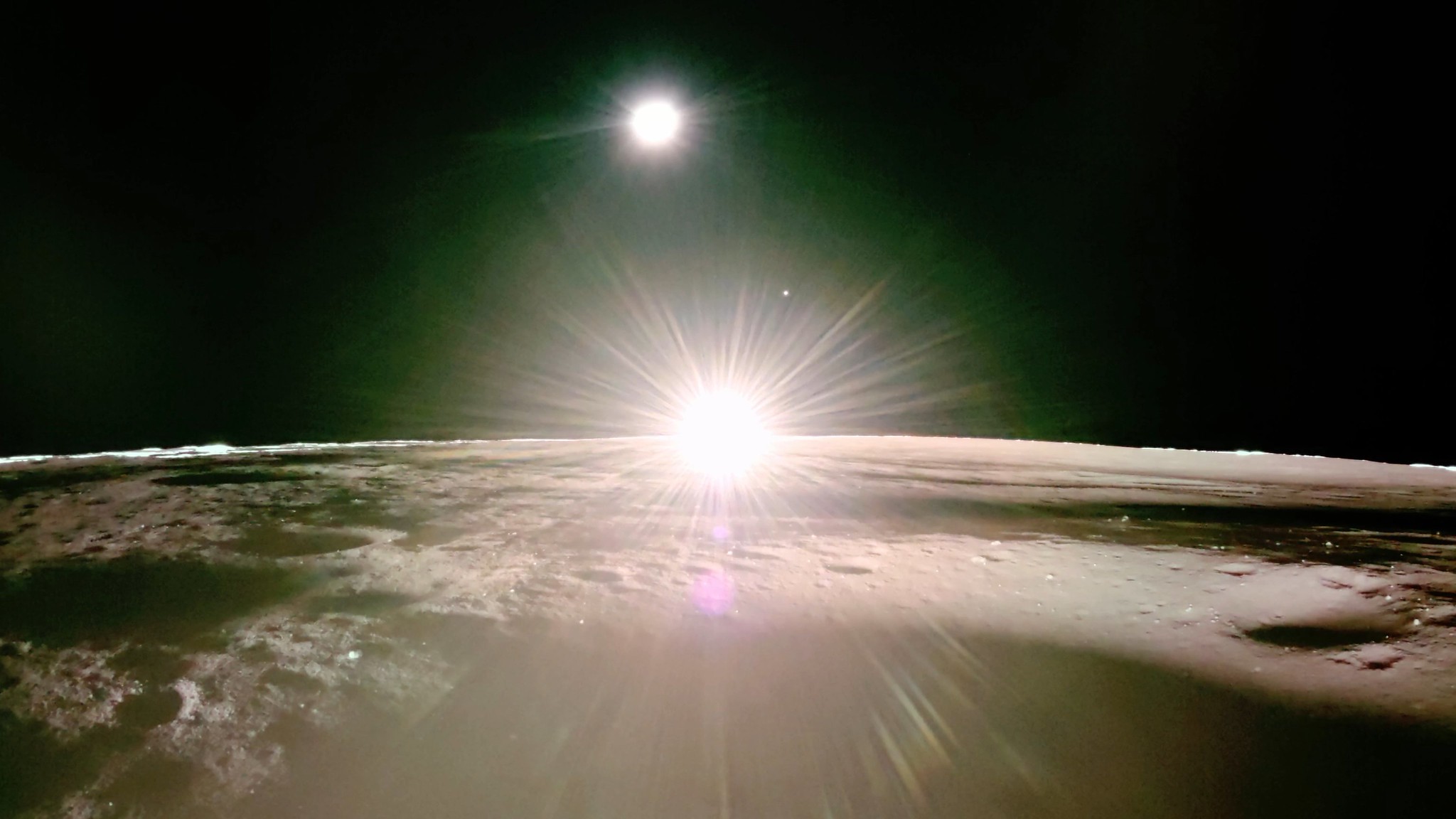
The upper stage of a SpaceX Falcon 9 rocket will slam into the moon early Wednesday morning (Aug. 5). Here’s what put it on this kamikaze course.
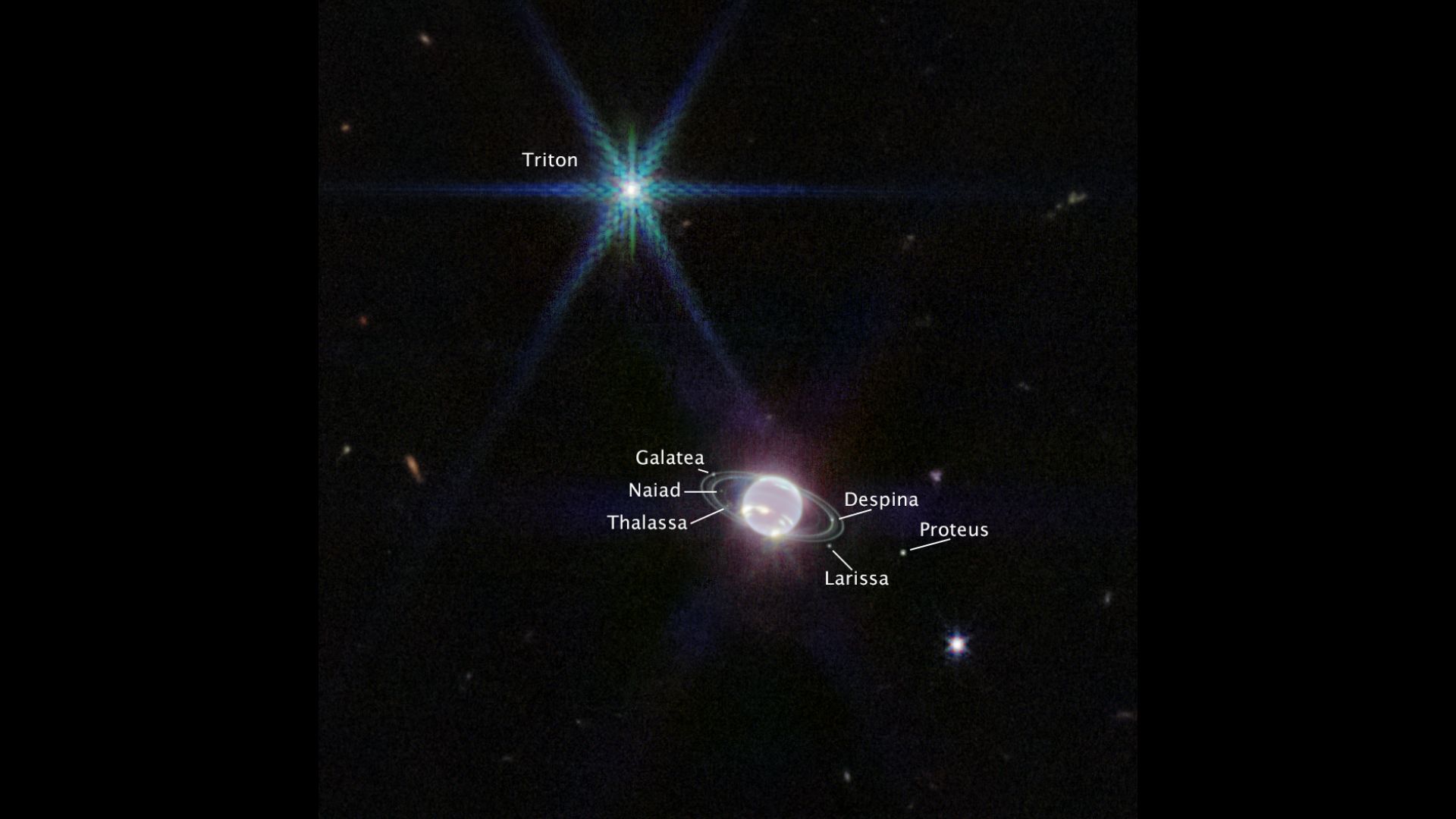
“We’ve had only a single flyby — Voyager 2 in 1989 — and these results make clear there’s much more to learn.”
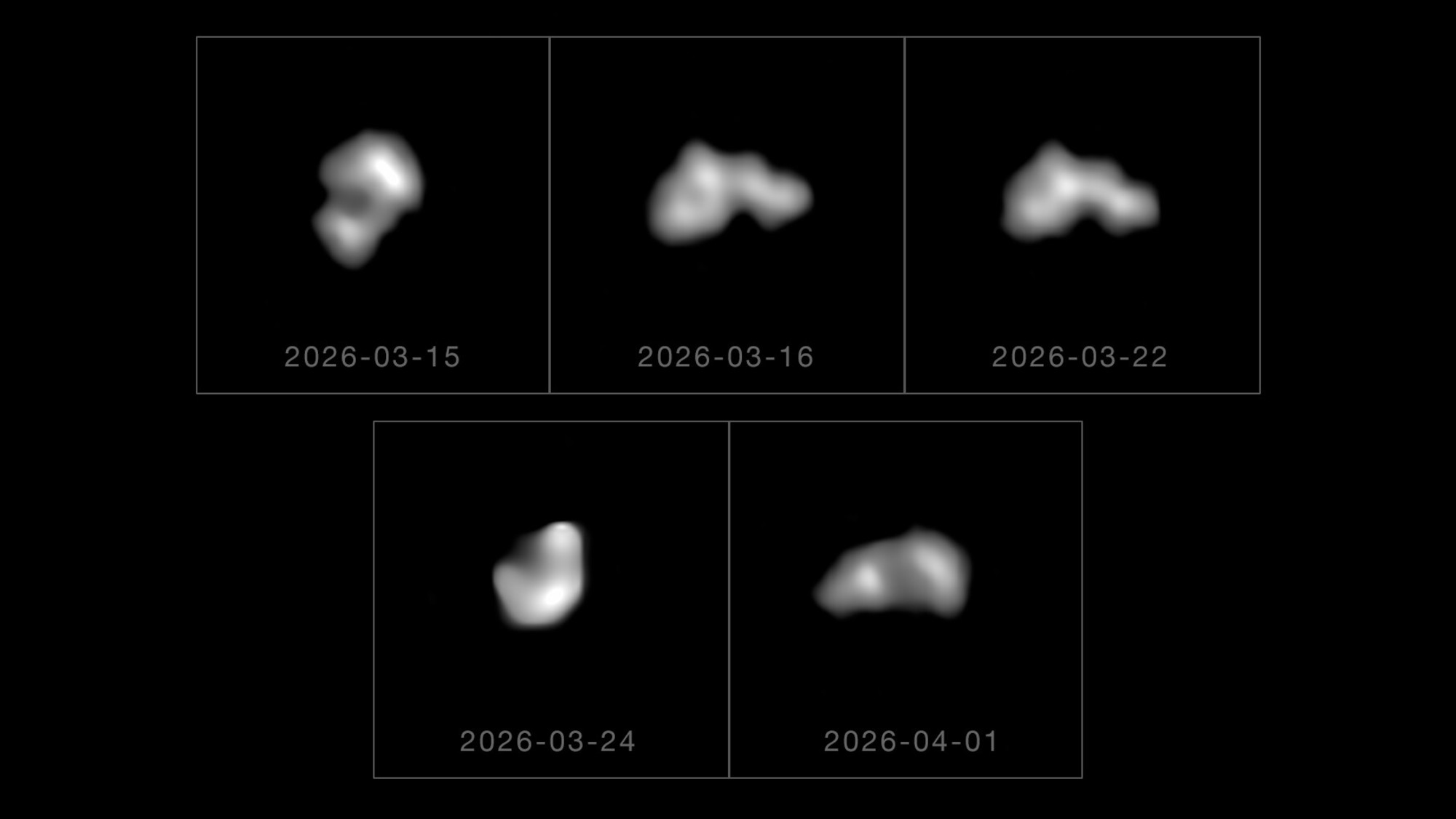
New images reveal what astronomers believe is the first-known “trilobate” or three-headed asteroid in our solar system.
The dinosaurs may not have starved through a years-long winter. New evidence suggests a blanket of ultrafine impact dust set the planet on fire within hours.

Sophisticated high-contrast imaging has revealed asteroid 44 Nysa to have three lobes and a small moon.
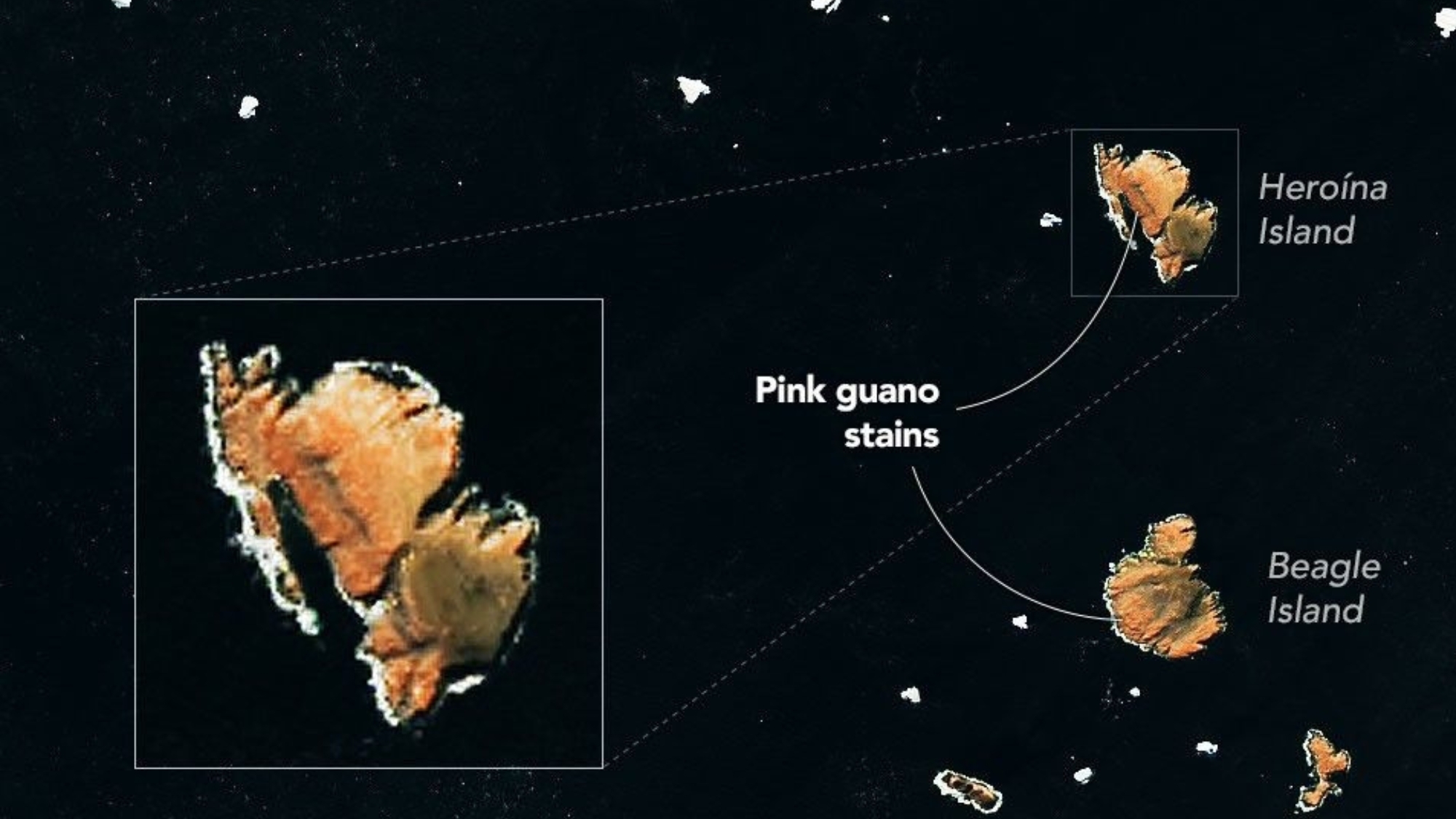
Researchers used NASA satellite imagery, along with ground observations, to track changes in the diets of penguins on Antarctica’s Danger Islands.
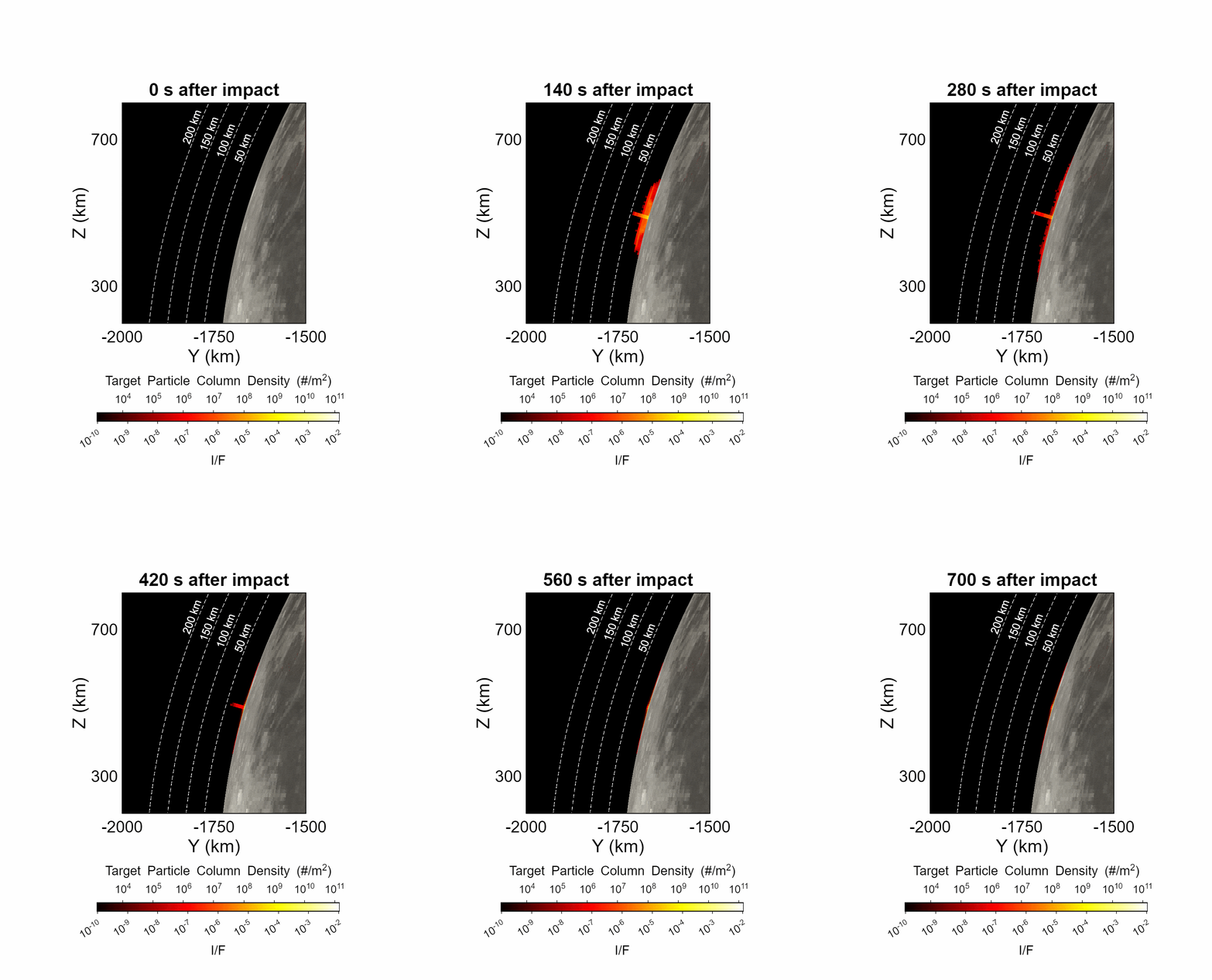
Scientists are preparing to study the effects of human-made impacts on the moon when a spent SpaceX rocket stage impacts the lunar surface on Aug. 5.