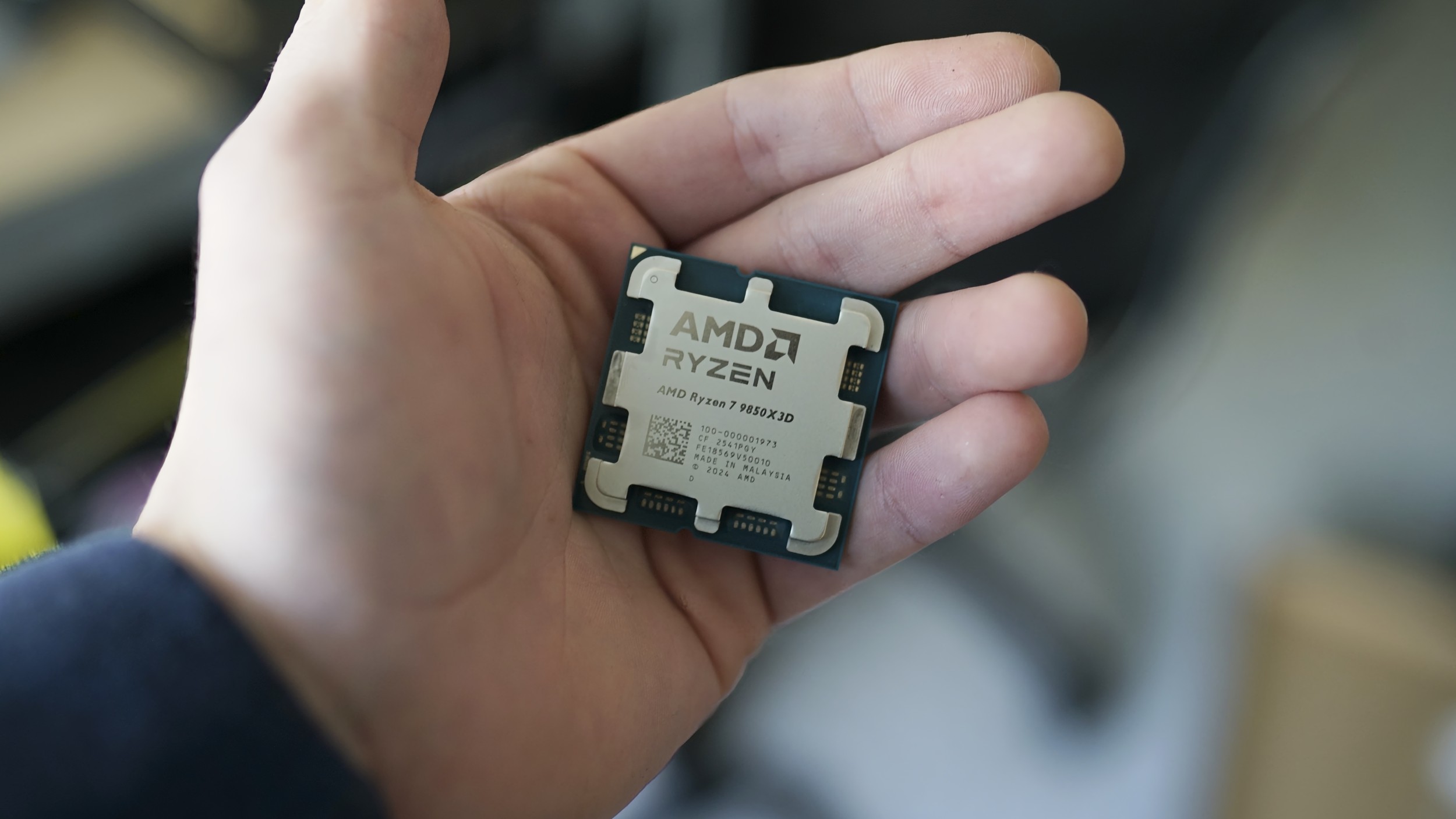
SP6 will draw on what the companies described as Intel’s expertise in disaggregated semiconductor design and advanced packaging.
TSMC reportedly intends to increase prices of wafers it processes citing demand, rising costs, and increased investments in new capacity.
SMIC’s N+3 process technology can achieve transistor density comparable to TSMC’s N6 without using EUV lithography, but it fails to deliver performance or efficiency of modern production nodes.

For a year, one question has hung over China’s fast-improving AI models: what are they actually running on? Z.AI has just given part of the answer. It has built a huge data centre that uses only Chinese-made chips. The company, formerly known as Zhipu,…

Most AI chips are general-purpose. You load a model onto them, and they run it. Google is reportedly trying something stranger: a chip that is the model, with Gemini’s blueprint etched into the hardware itself. The project, informally called “Frozen v2…
One of the quiet winners of the AI boom is about to test the public markets. Zhongji Innolight, a Chinese maker of high-speed optical transceivers, has started gauging demand for a Hong Kong listing worth as much as $8bn. The Shenzhen-listed company wo…
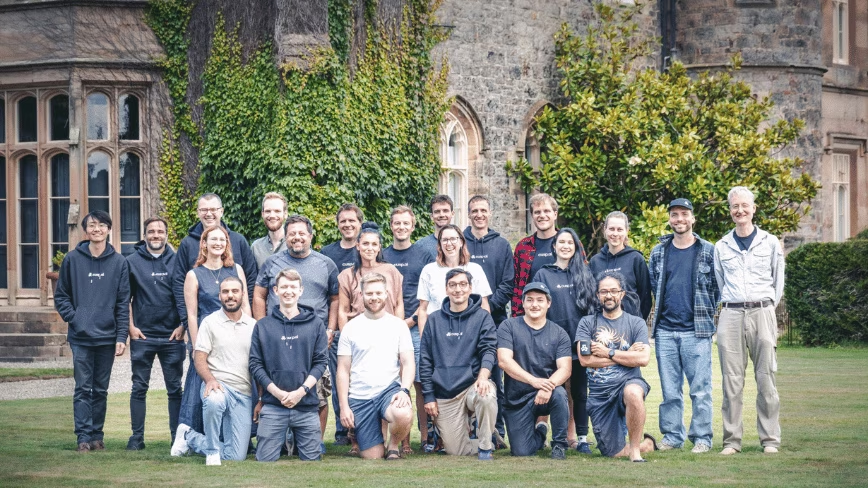
A two-year-old British AI lab wants to build the search engine for materials that do not exist yet. On Monday it gathered an unusual crowd to help. Cambridge-based CuspAI launched the AI Materials Foundry, a coalition of more than 45 companies and rese…
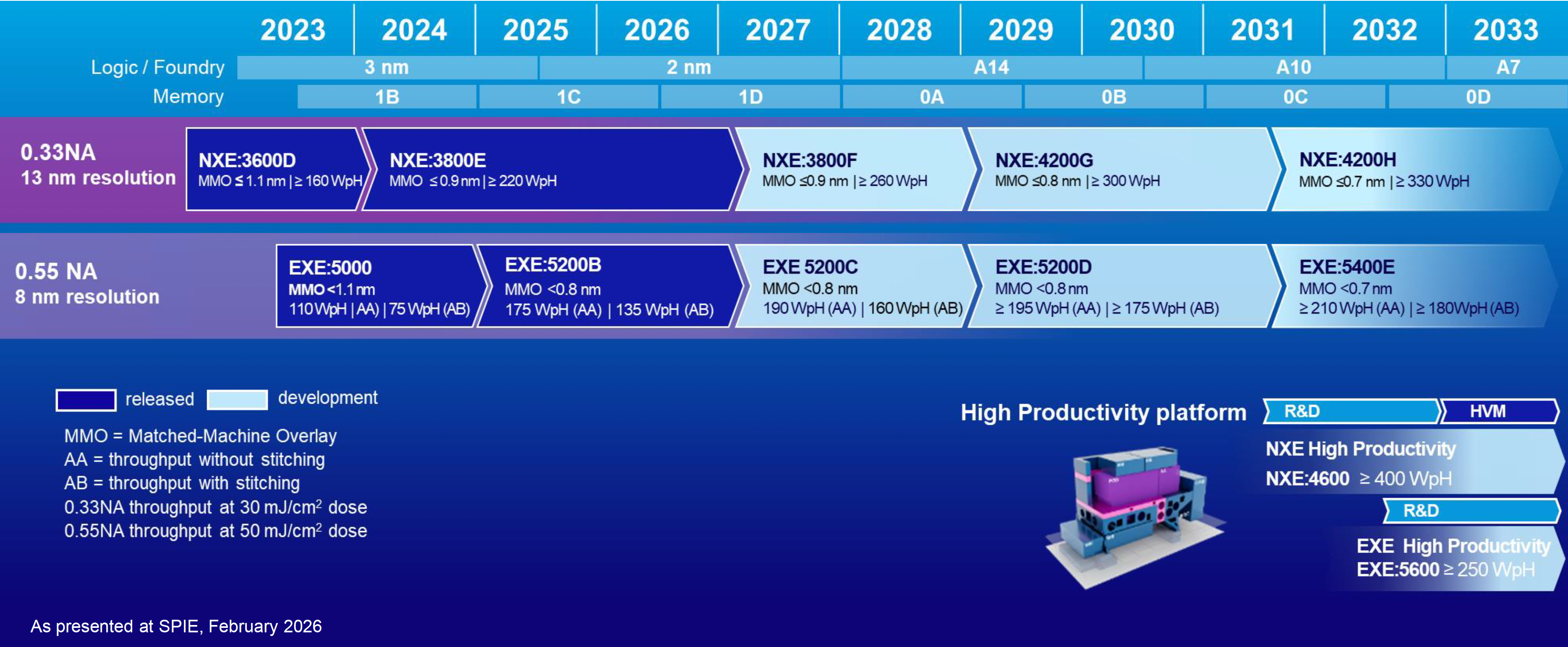
ASML says that the increased productivity of its Low-NA EUV tools gives it an option to increase the prices of these scanners in the future. The move may have a drastic effect on TSMC’s future expansion plans, as the foundry made a big bet on existing lithography systems.
TSMC’s A14 process technology progresses faster than N2 at this stage of development as developers of both client and AI/HPC plan to use it.
ASML’s comments point to intentions to increase prices, though the company is expected to maintain its value-based approach to price setting. Yet, TSMC is reportedly unhappy about the potential plan.