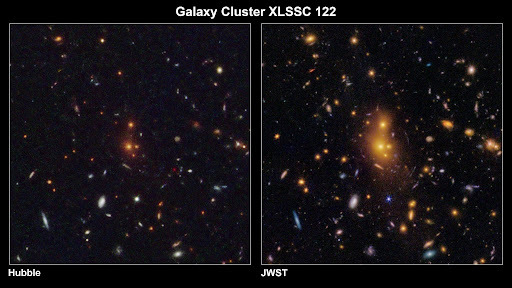
Using the James Webb Space Telescope, astronomers have spotted a massive and densely packed galaxy cluster at “cosmic noon” before such structures were thought to be possible.
Having already delivered samples of the asteroid Ryugu to Earth, Hayabusa2 will soon attempt one of the closest, riskiest space-rock flybys in spaceflight history.
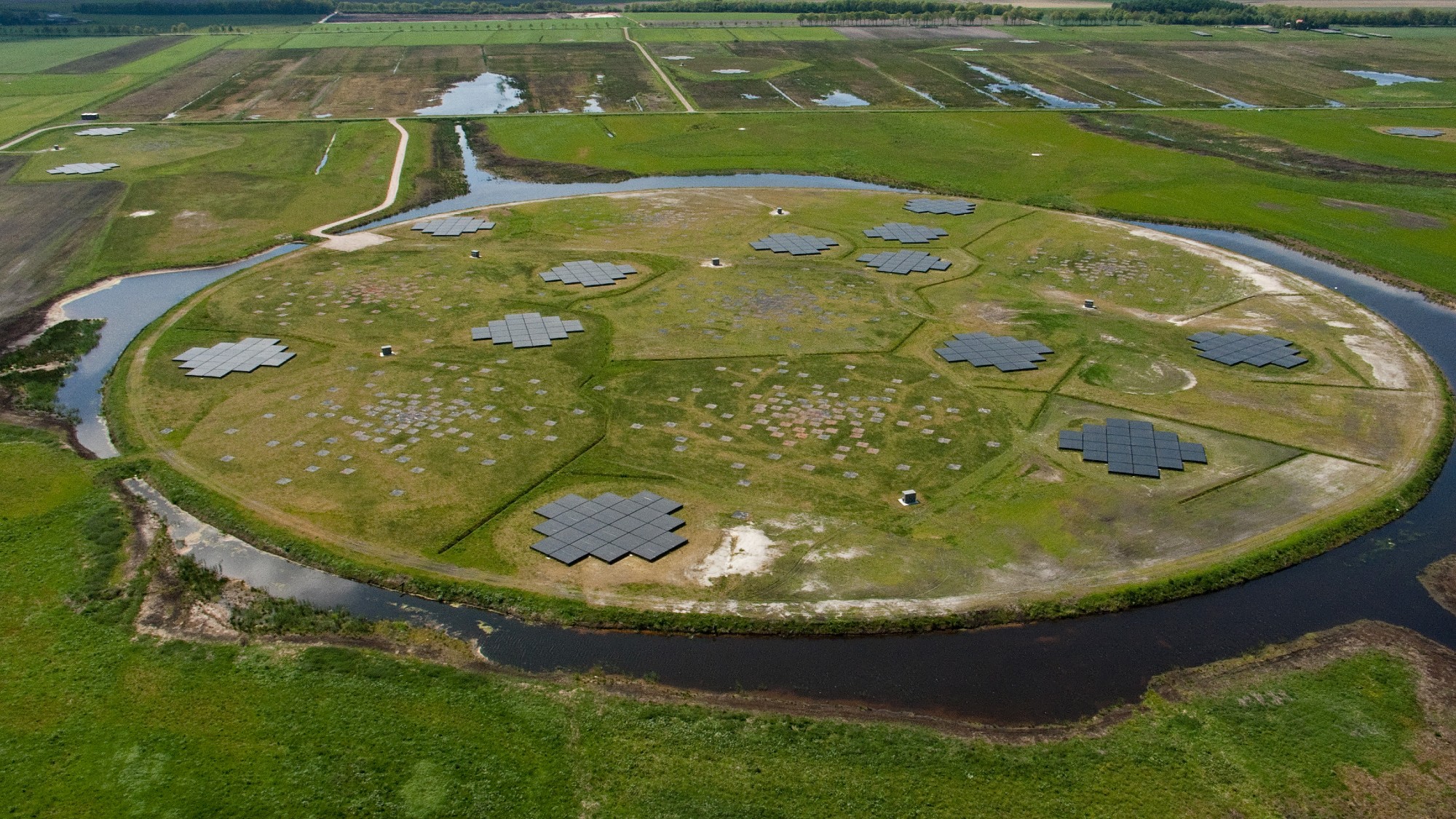
A bizarre “bow-and-arrow” radio galaxy nearly 1.8 million light-years across could reveal how galaxy clusters sculpt some of the universe’s largest structures.
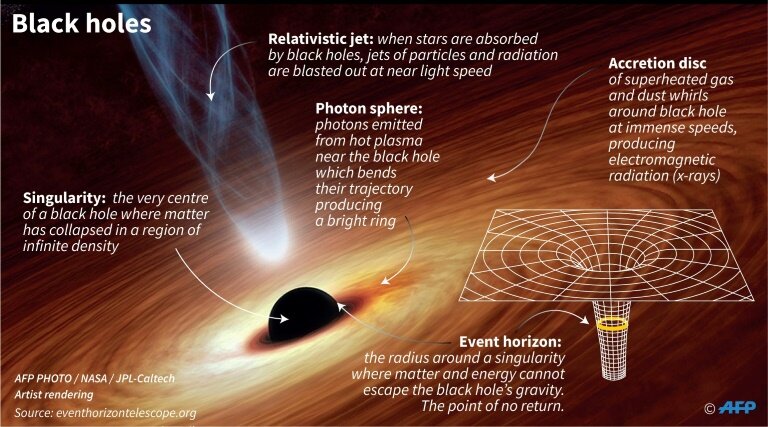
The loudest crash of gravitational waves ever heard provides an intriguing way of studying event horizons, the boundaries at which nothing can escape the grip of these cosmic titans.
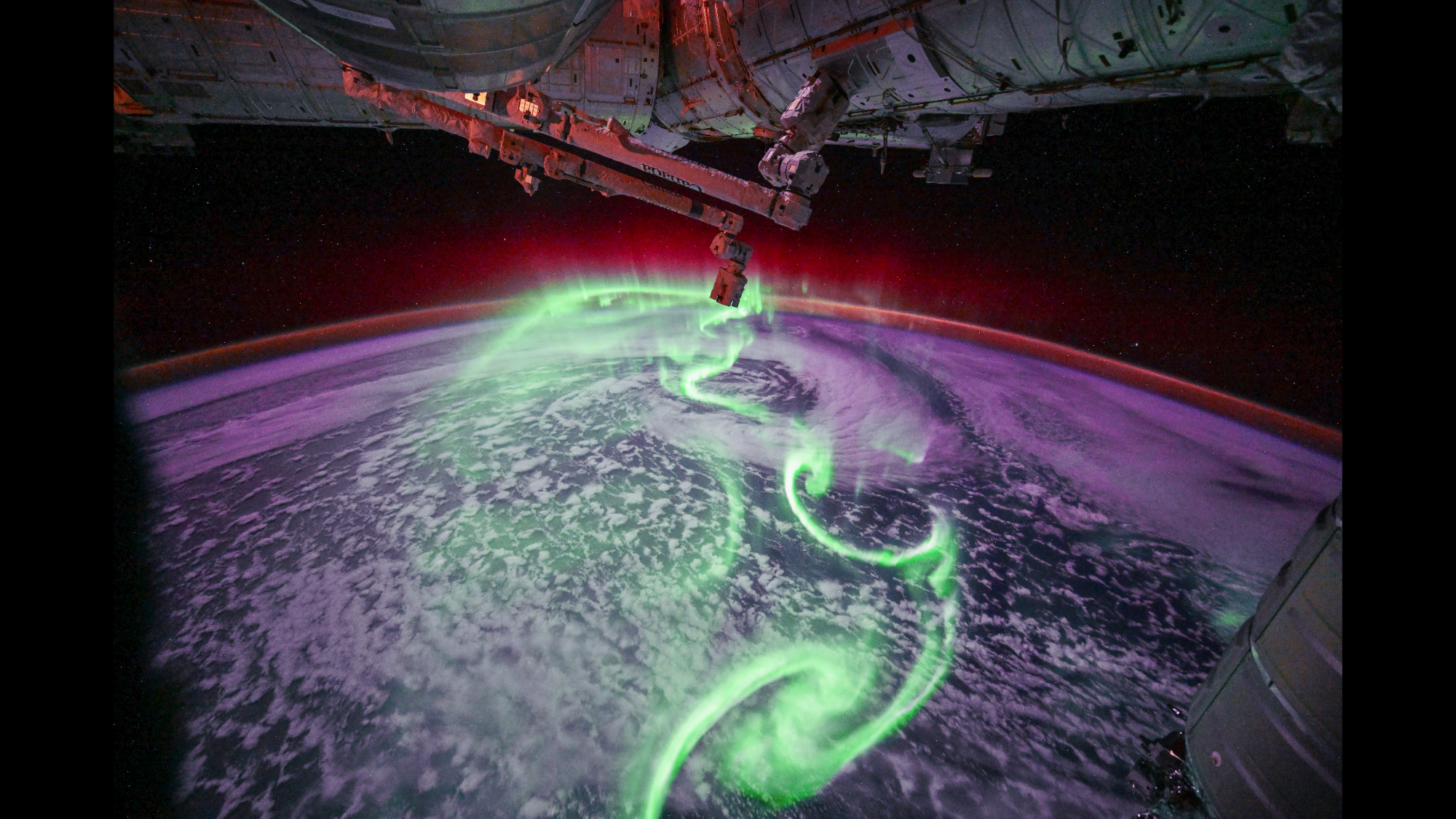
This is truly a view like no other.
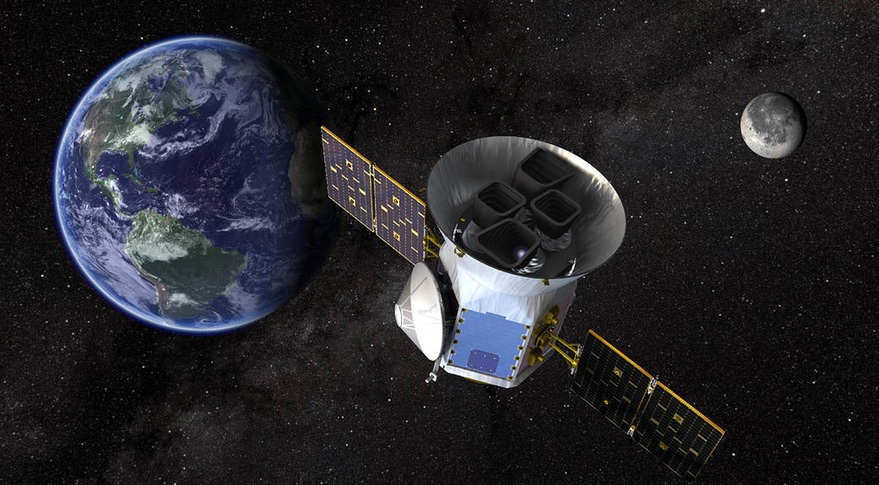
Astronomers have discovered two “super-puff” exoplanets orbiting the same star that have densities lower than cotton candy, making them the lightest worlds ever seen.
A supermassive black hole is also coming together at the heart of this galaxy maelstrom.
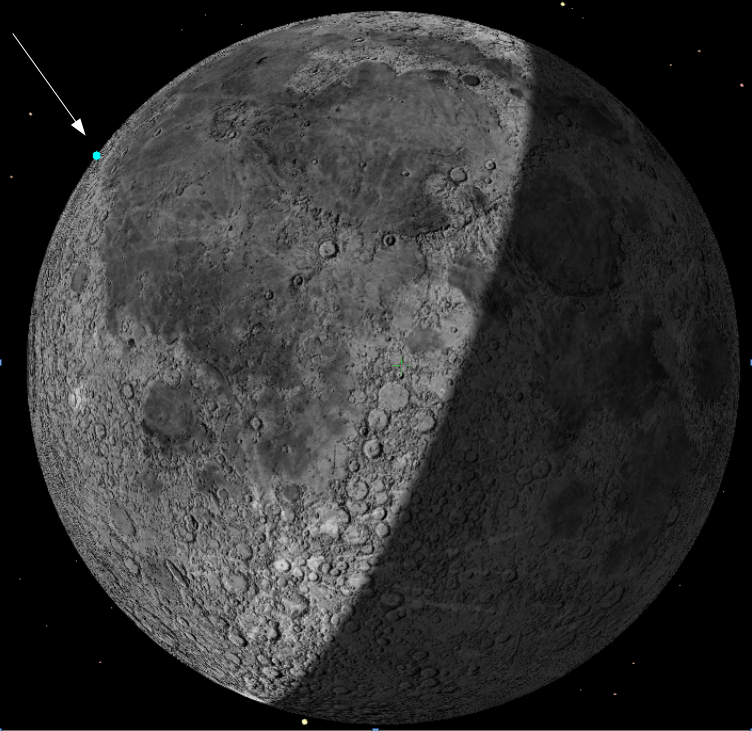
A spent SpaceX Falcon 9 upper stage is set to impact the moon this August, but experts aren’t sure if the crash will be visible from Earth.
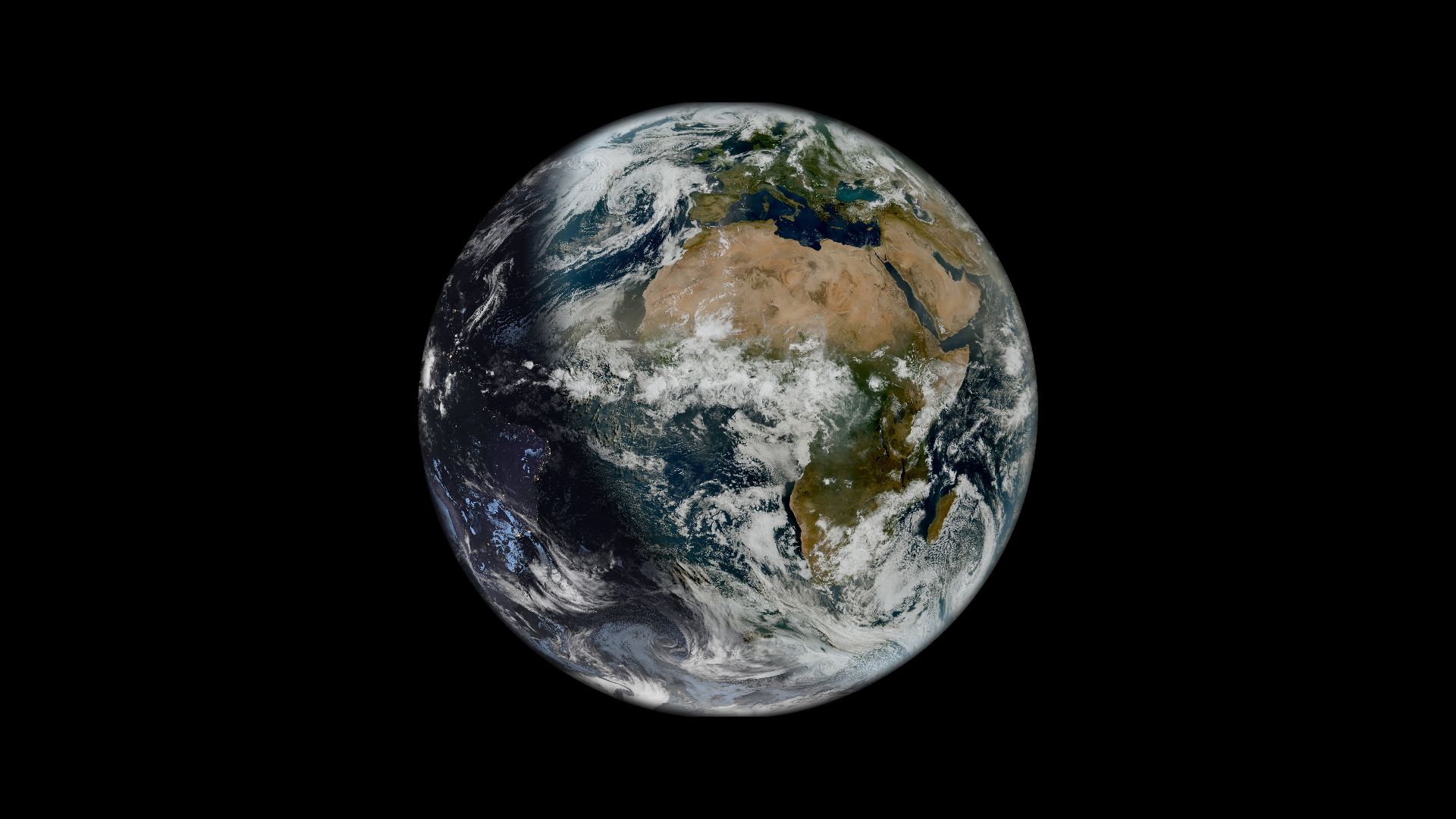
Just after the summer solstice, a European weather satellite managed to capture a striking image of this celestial moment from space.
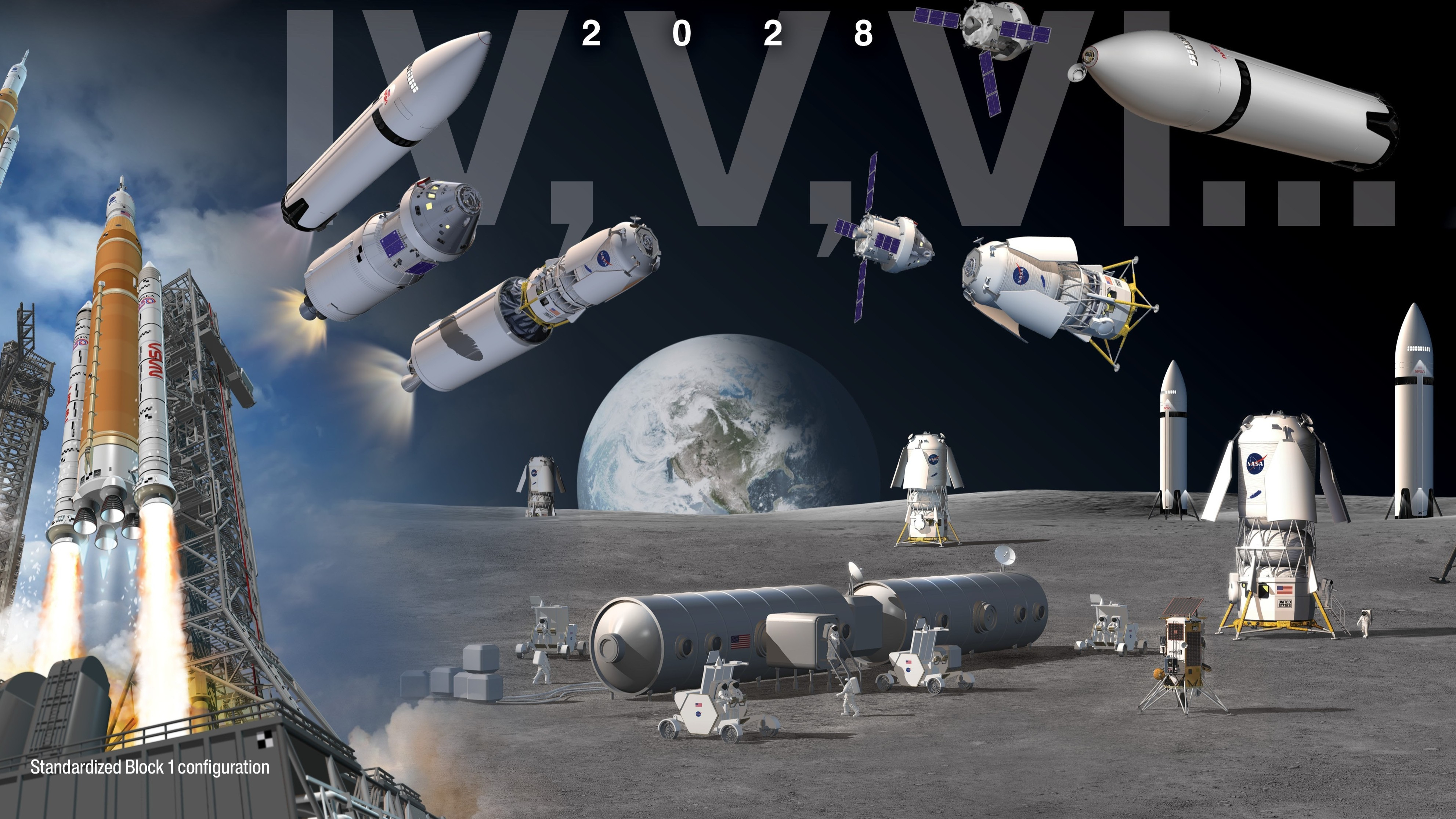
Why making lunar standard time is in everyone’s best interests.