
If you’re wondering what dark matter is, you’re not alone. Astronomers don’t know. But they’ve determined that this invisible material must be far more abundant than the stars and nebulas that they can see. They’ve surmised as much from observing the …
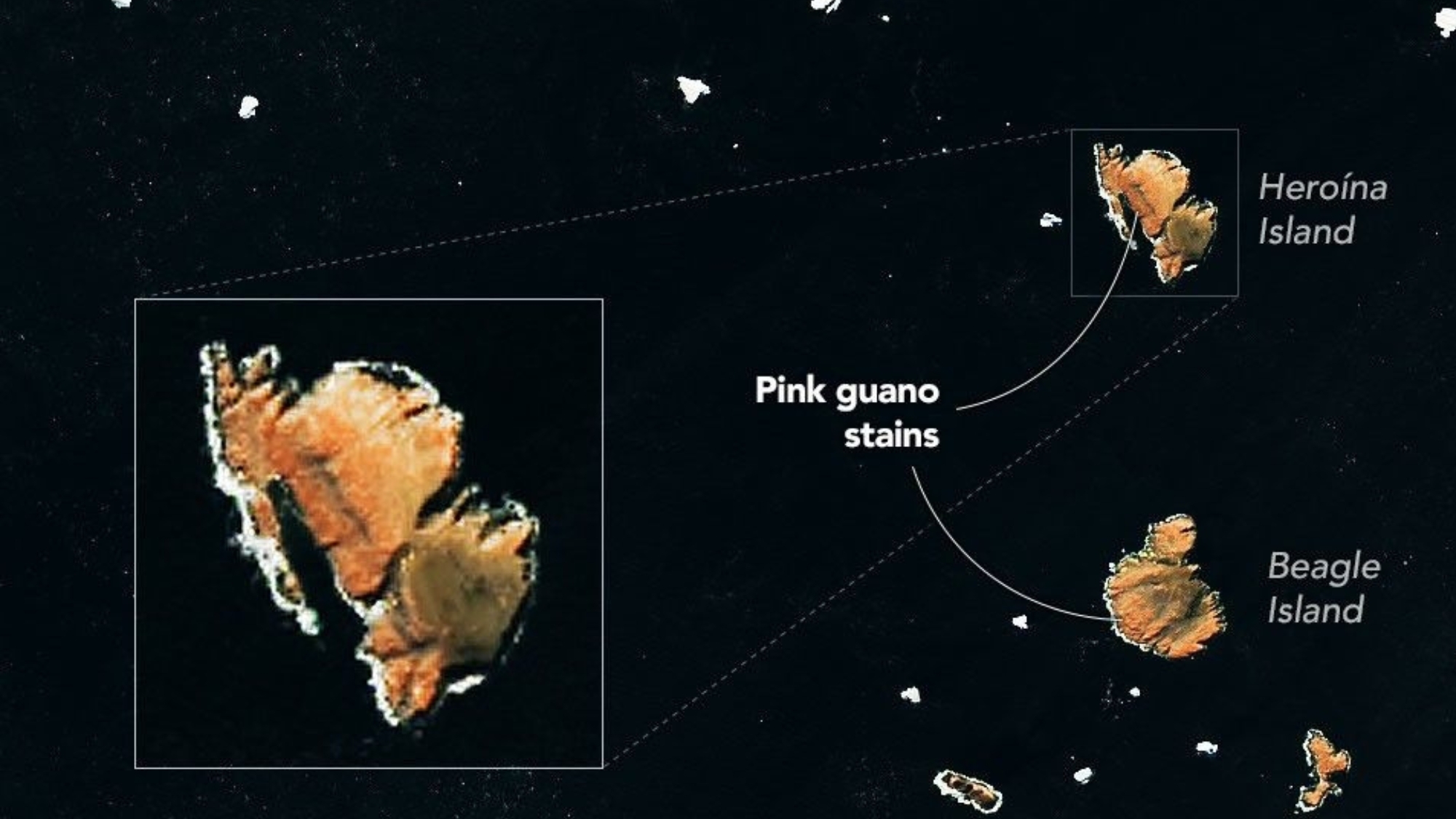
Researchers used NASA satellite imagery, along with ground observations, to track changes in the diets of penguins on Antarctica’s Danger Islands.
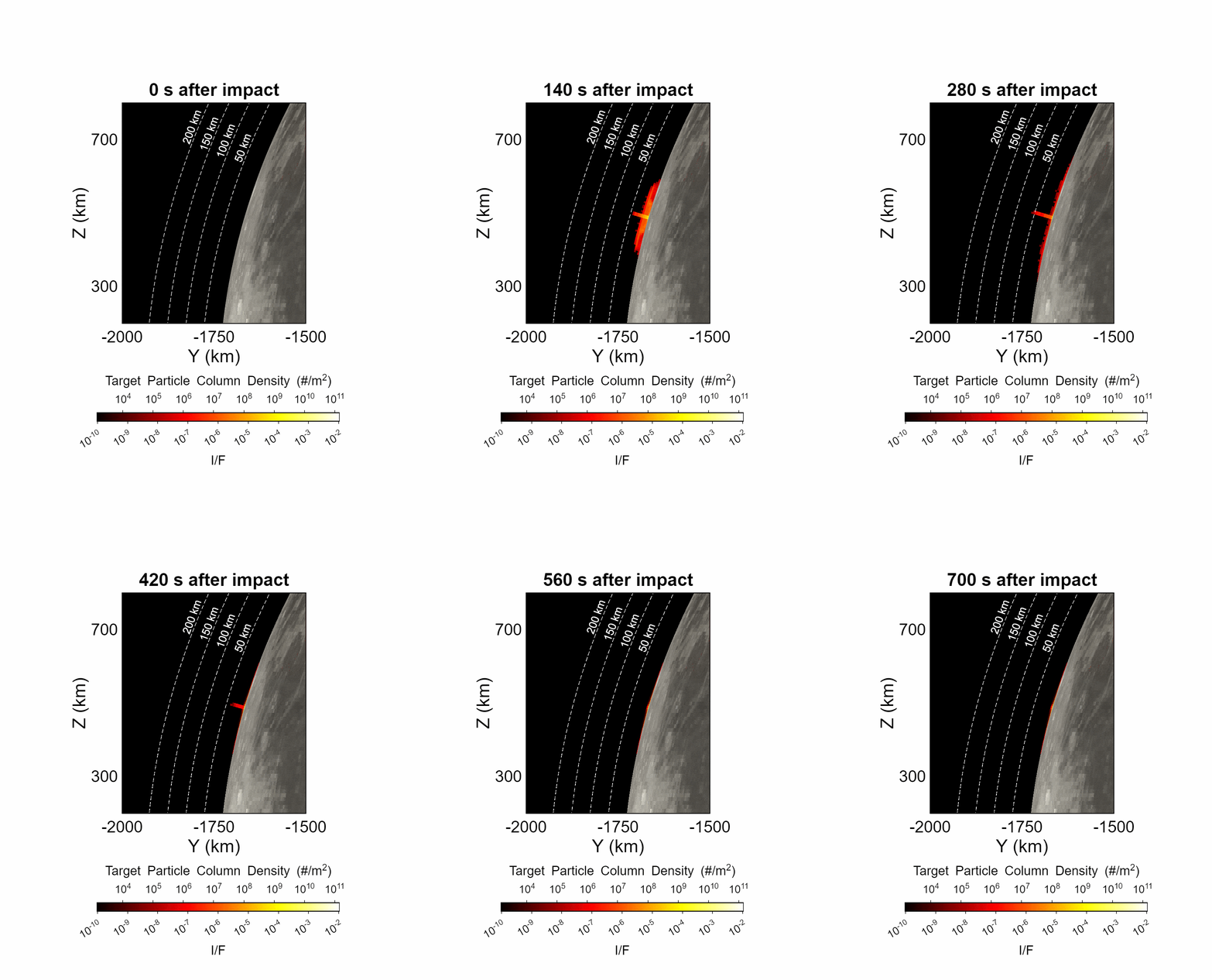
Scientists are preparing to study the effects of human-made impacts on the moon when a spent SpaceX rocket stage impacts the lunar surface on Aug. 5.
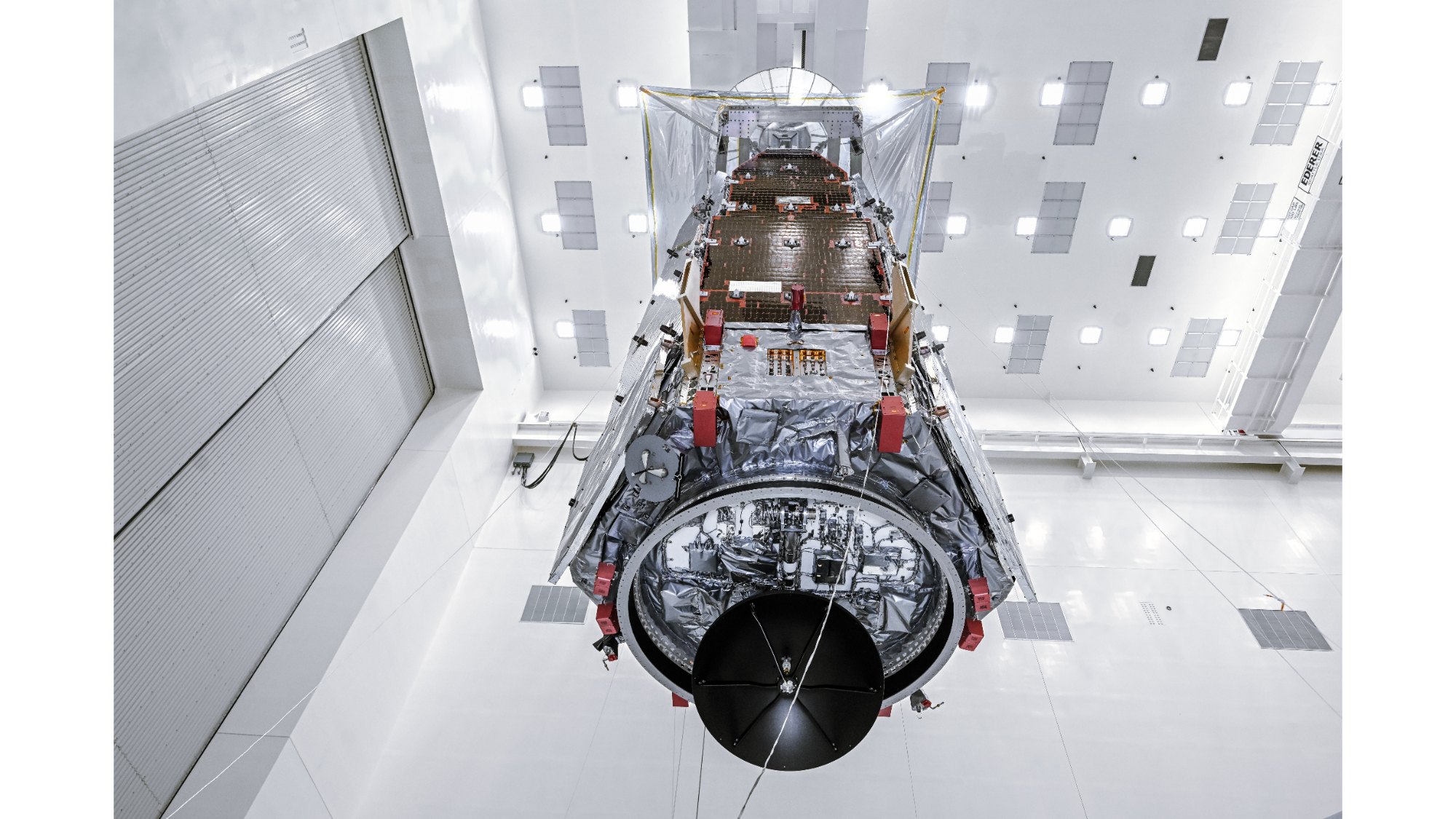
NASA’s Roman Space Telescope is ready to launch on a SpaceX Falcon Heavy rocket on Aug. 30. It’ll map the entire sky like never before.
Astronomers have spotted the blisteringly hot exhaust fumes of the earliest quasars, intensely bright cosmic titans powered by feeding supermassive black holes.
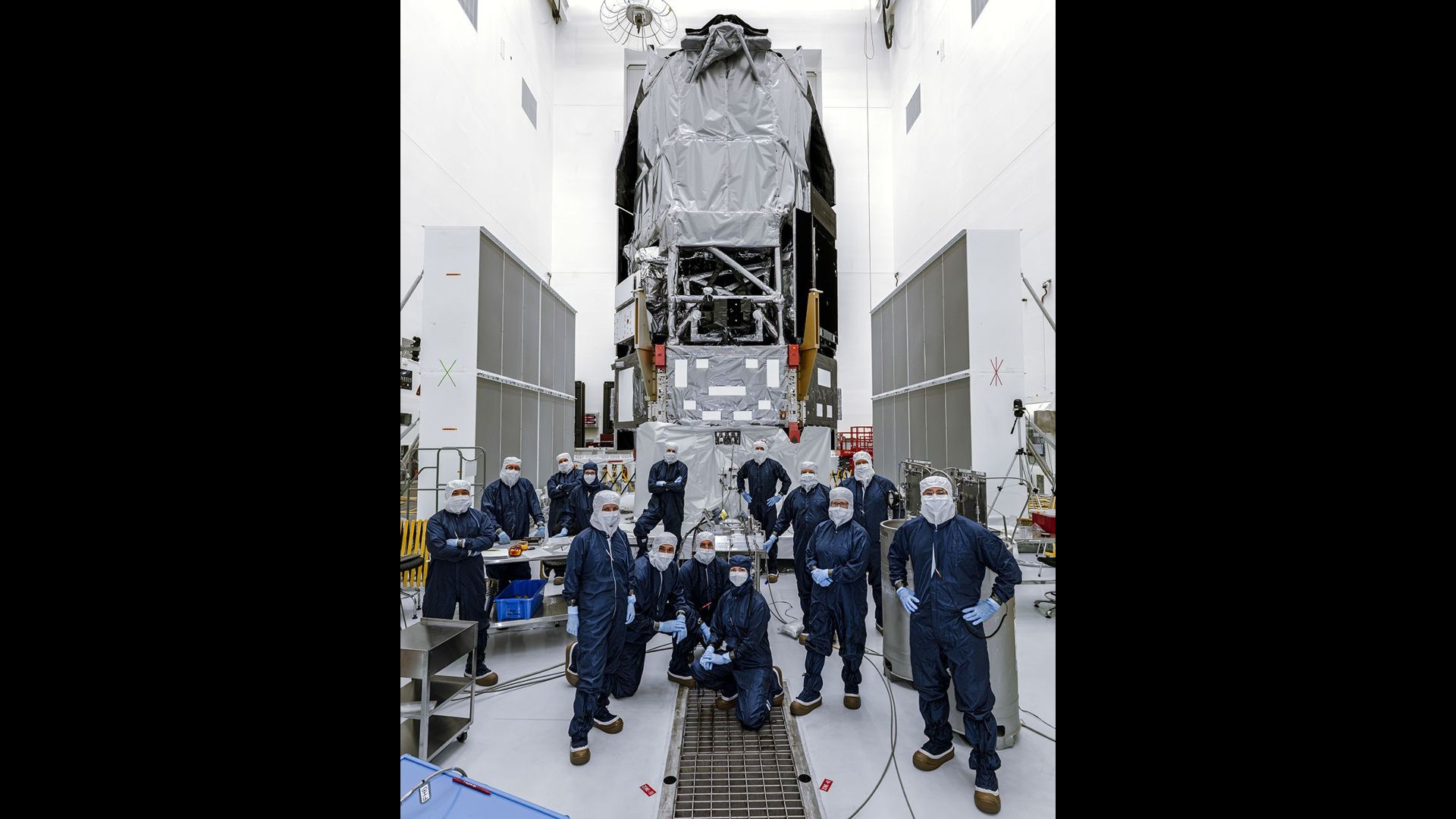
Looks like everything is on track so far for an Aug. 30 launch.
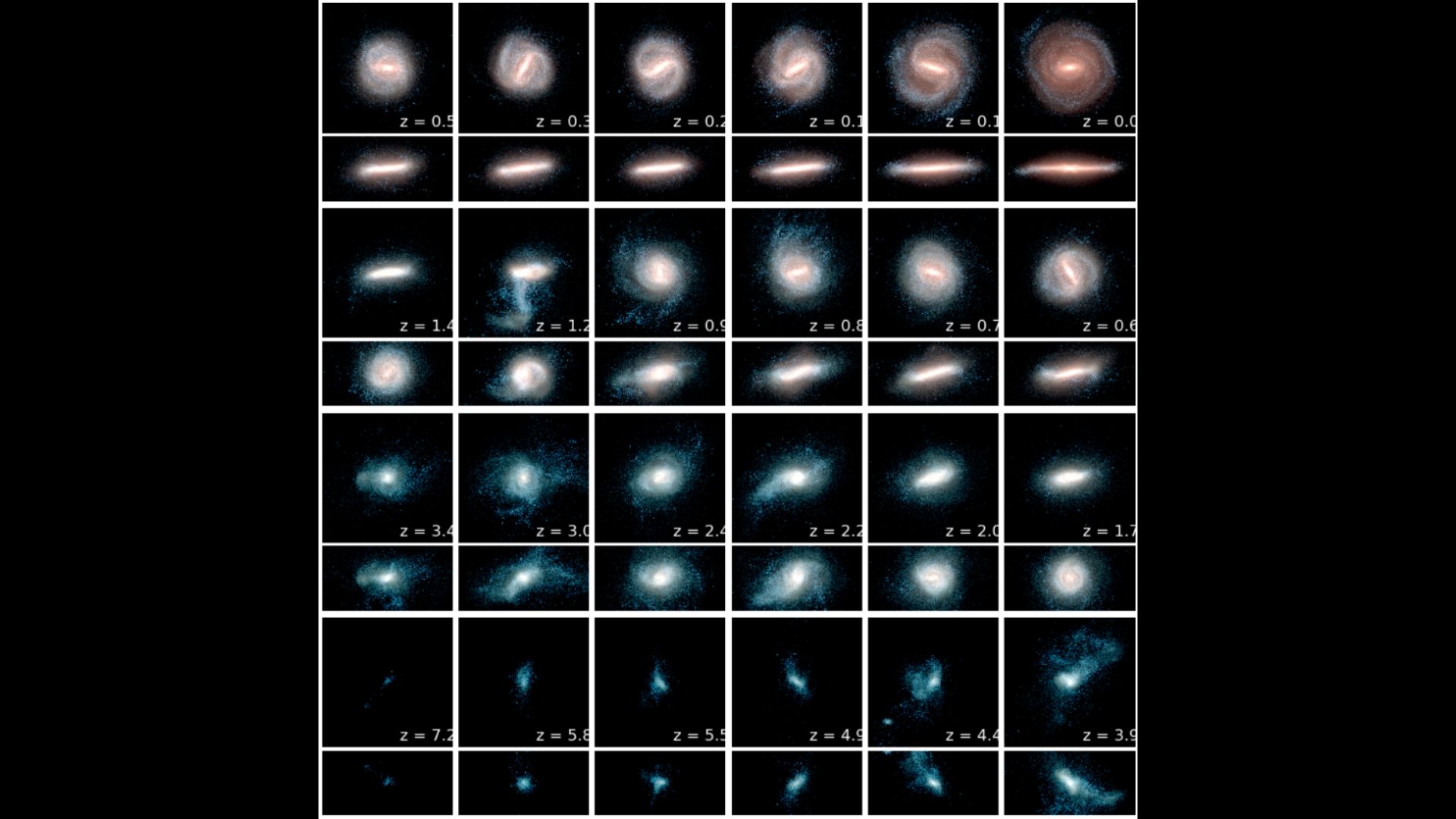
A slowly rotating stellar halo was the clue to a major and unknown event in the Milky Way’s history that saw the spiral disc flip over by more than 90 degrees.
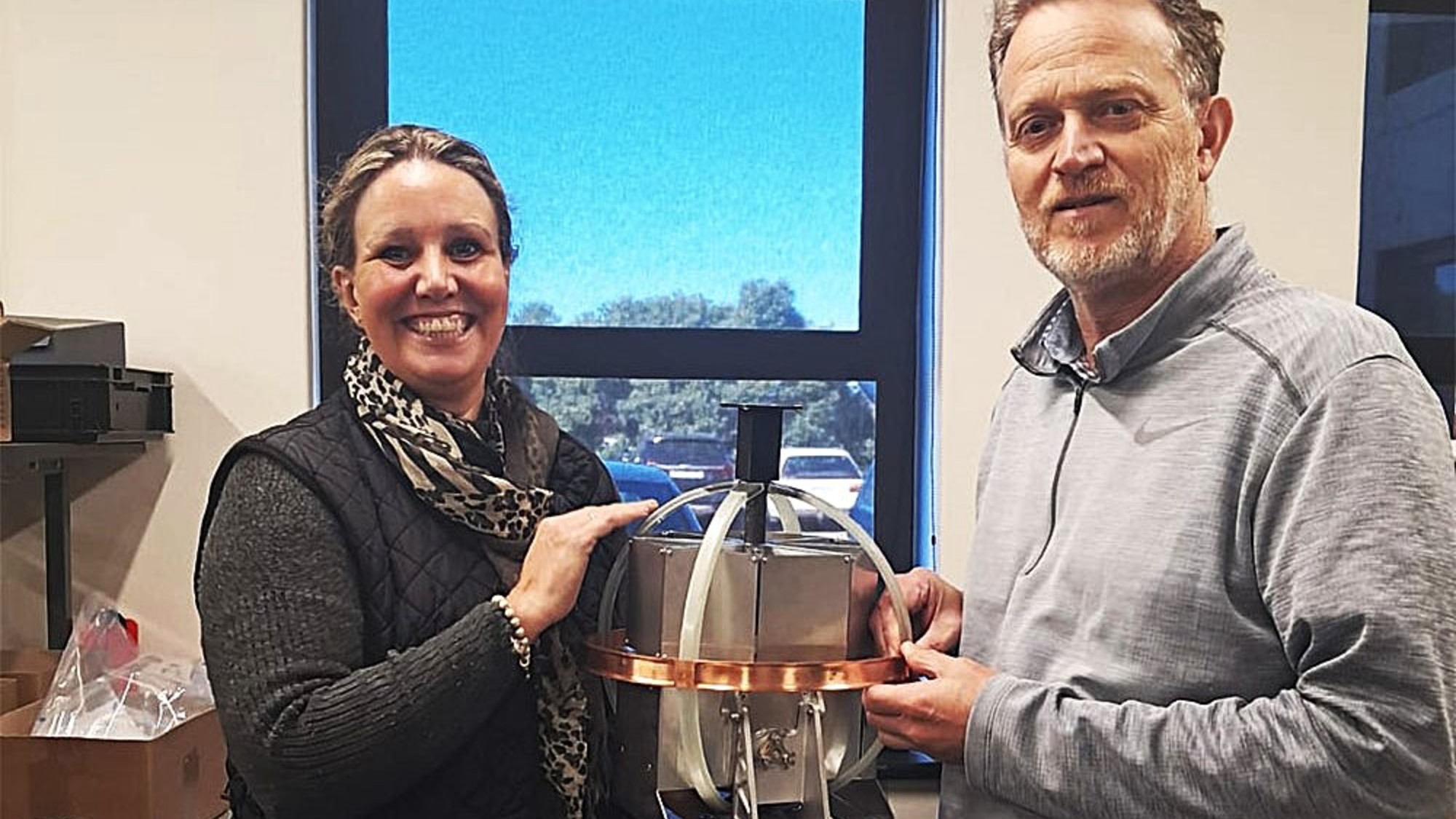
Africa’s first space exploration mission aims to send a trio of spherical probes to the lunar south pole aboard China’s Chang’e 8 lander in 2029.
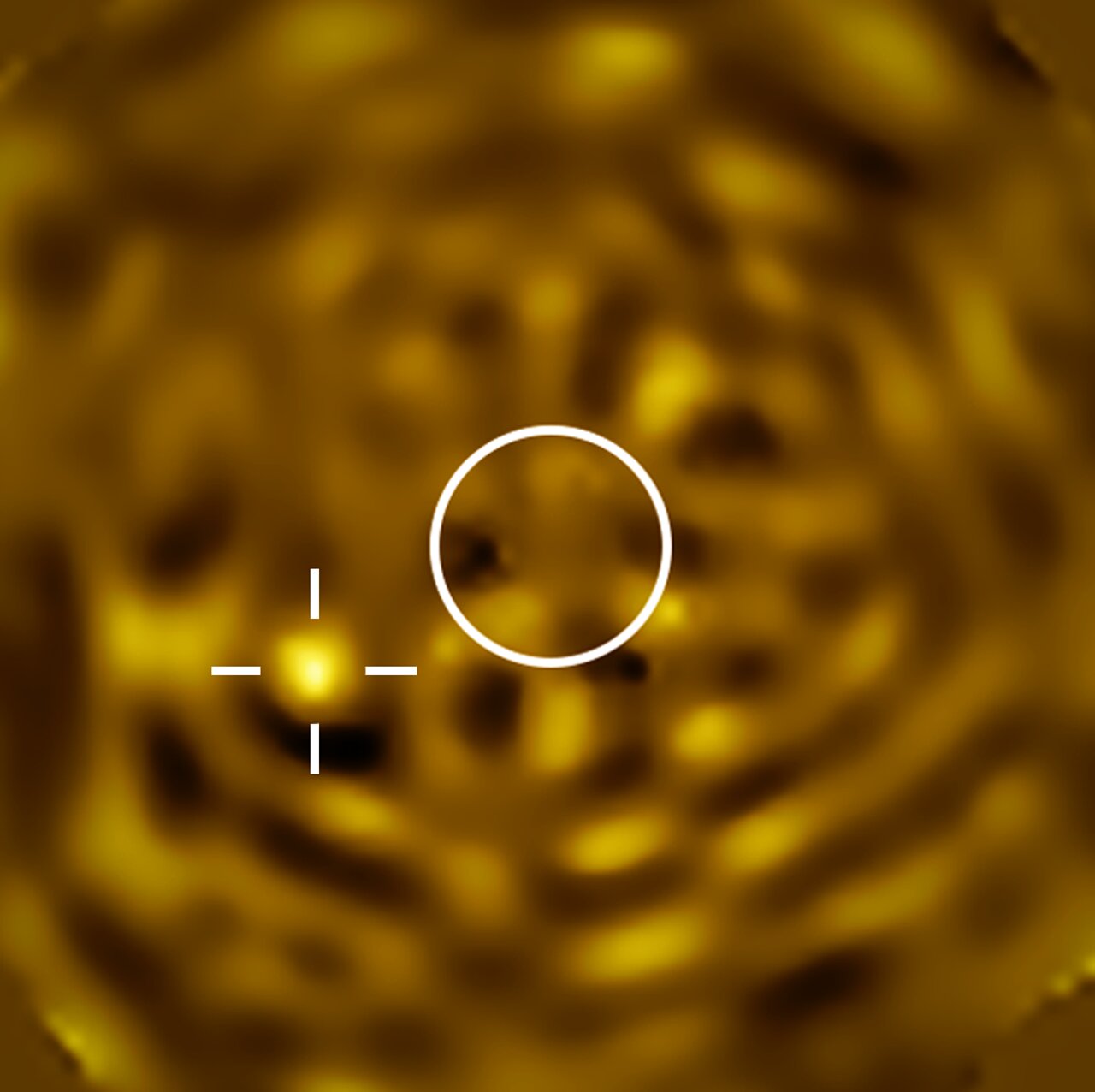
“These are among the best moments in science: seeing something new, unexpected.”
“That’s the first time that’s ever been done.”