Astronomers discovered that a near-Earth asteroid is actually a comet that could help scientists identify more hidden comets and improve planetary defense.
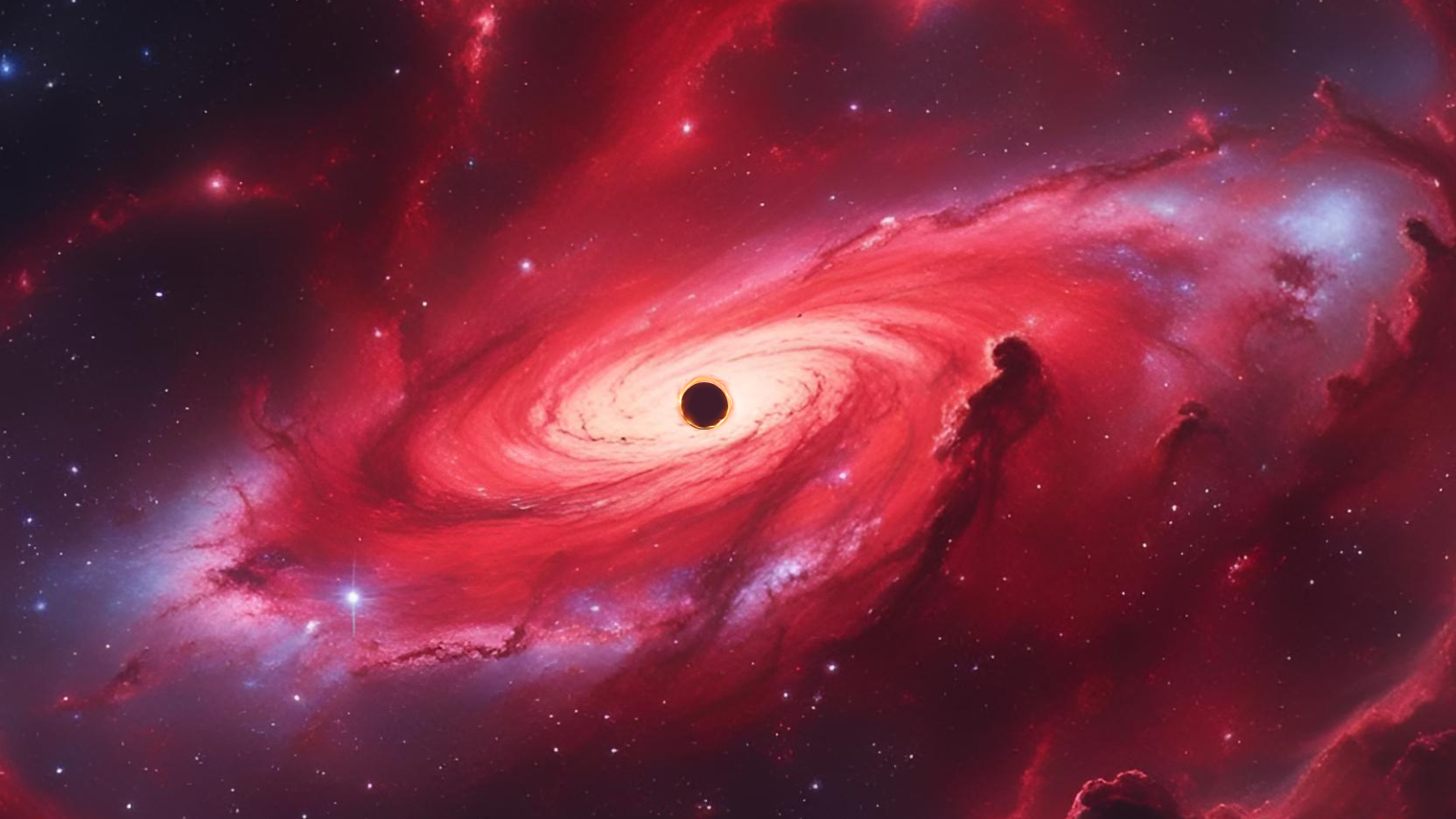
NASA’s next super telescope, the Nancy Grace Roman Space Telescope, may leave nowhere to hide for black holes that violently murder and devour stars, not even cosmic noon.
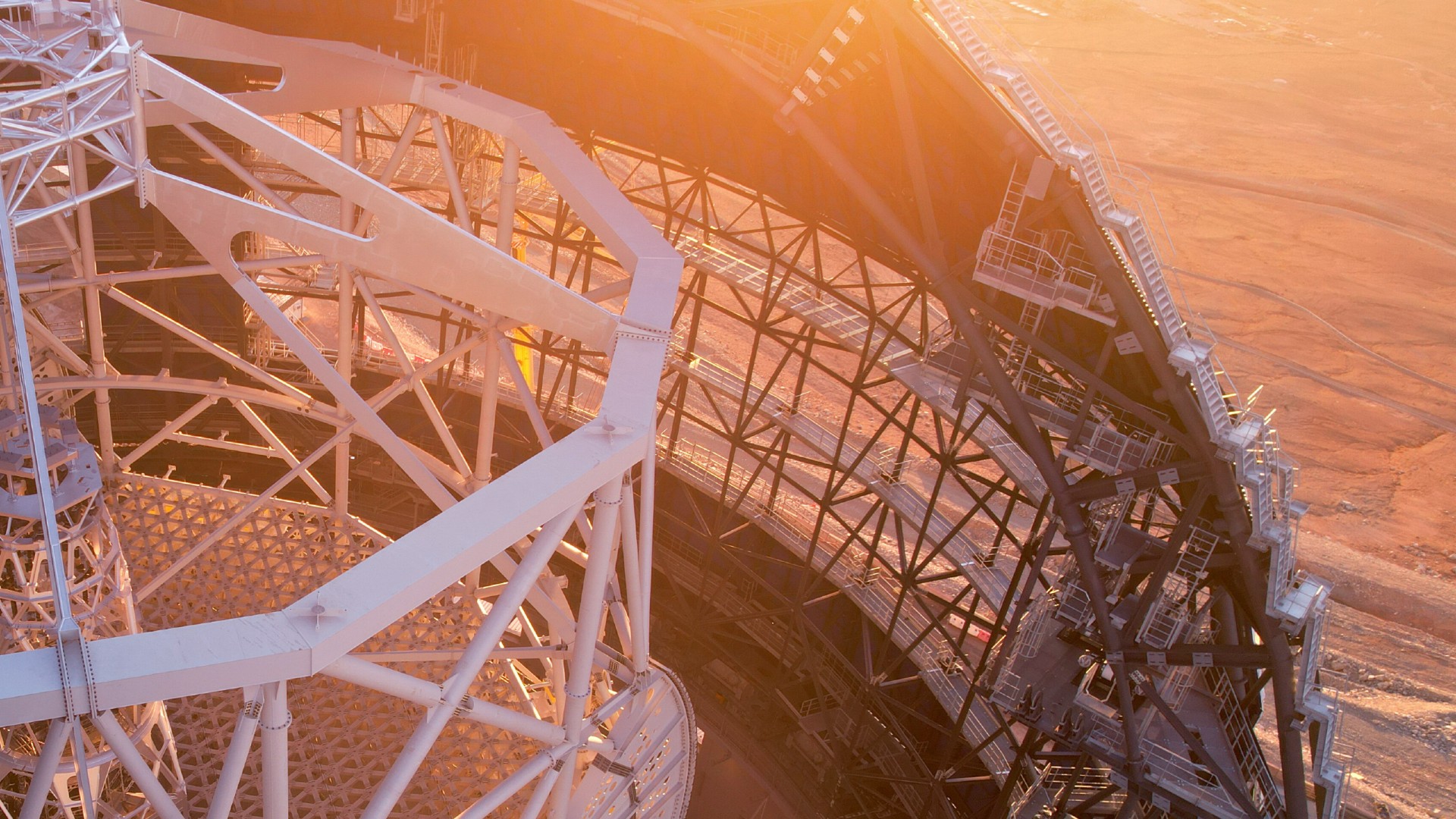
Have astronomers observed the first exomoon, or have they spotted a weird object that could challenge the very concept of planets and moons?
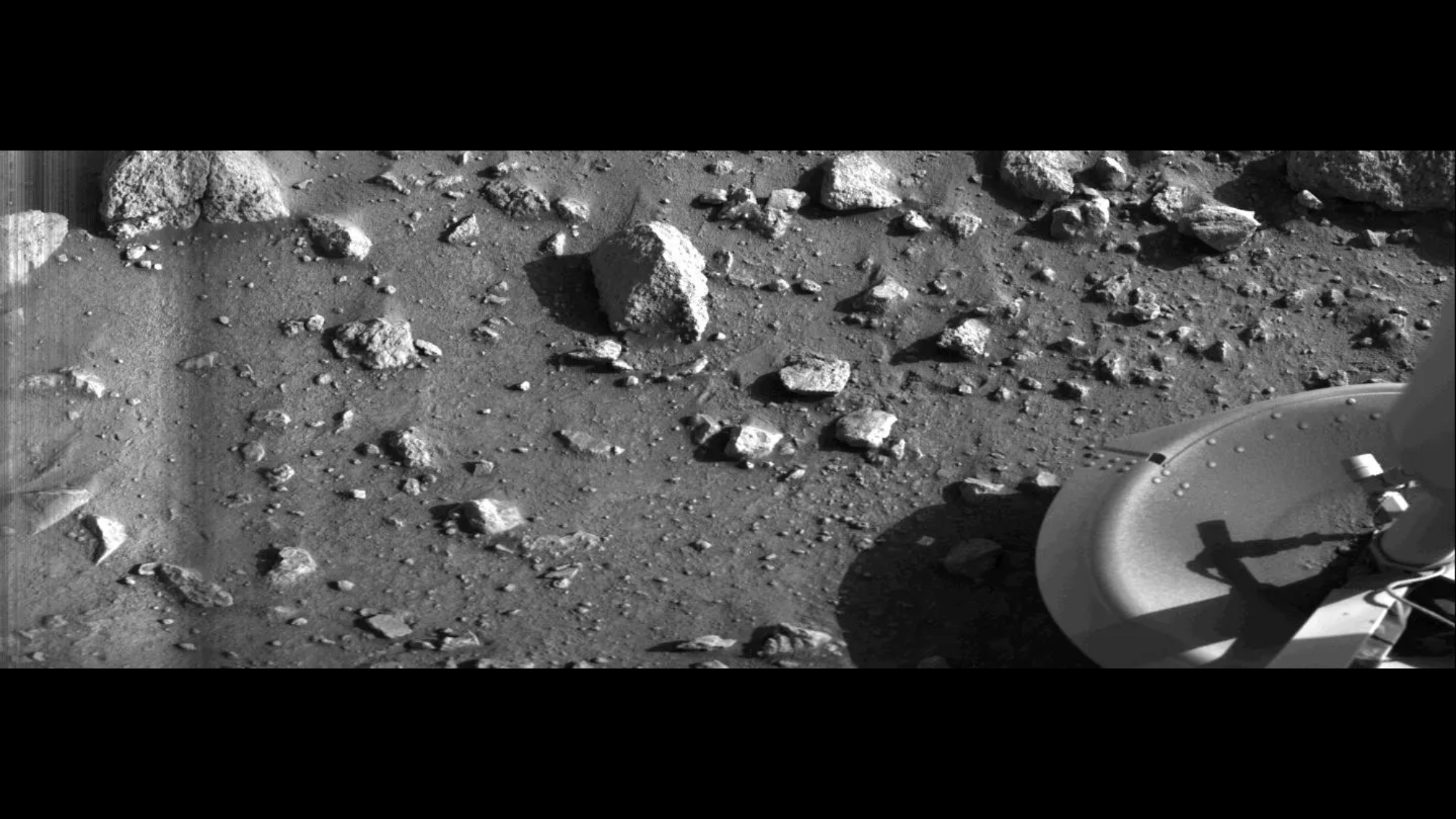
What might seem like a simple black-and-white picture of some rocks is actually the first photograph ever taken on the surface of Mars.
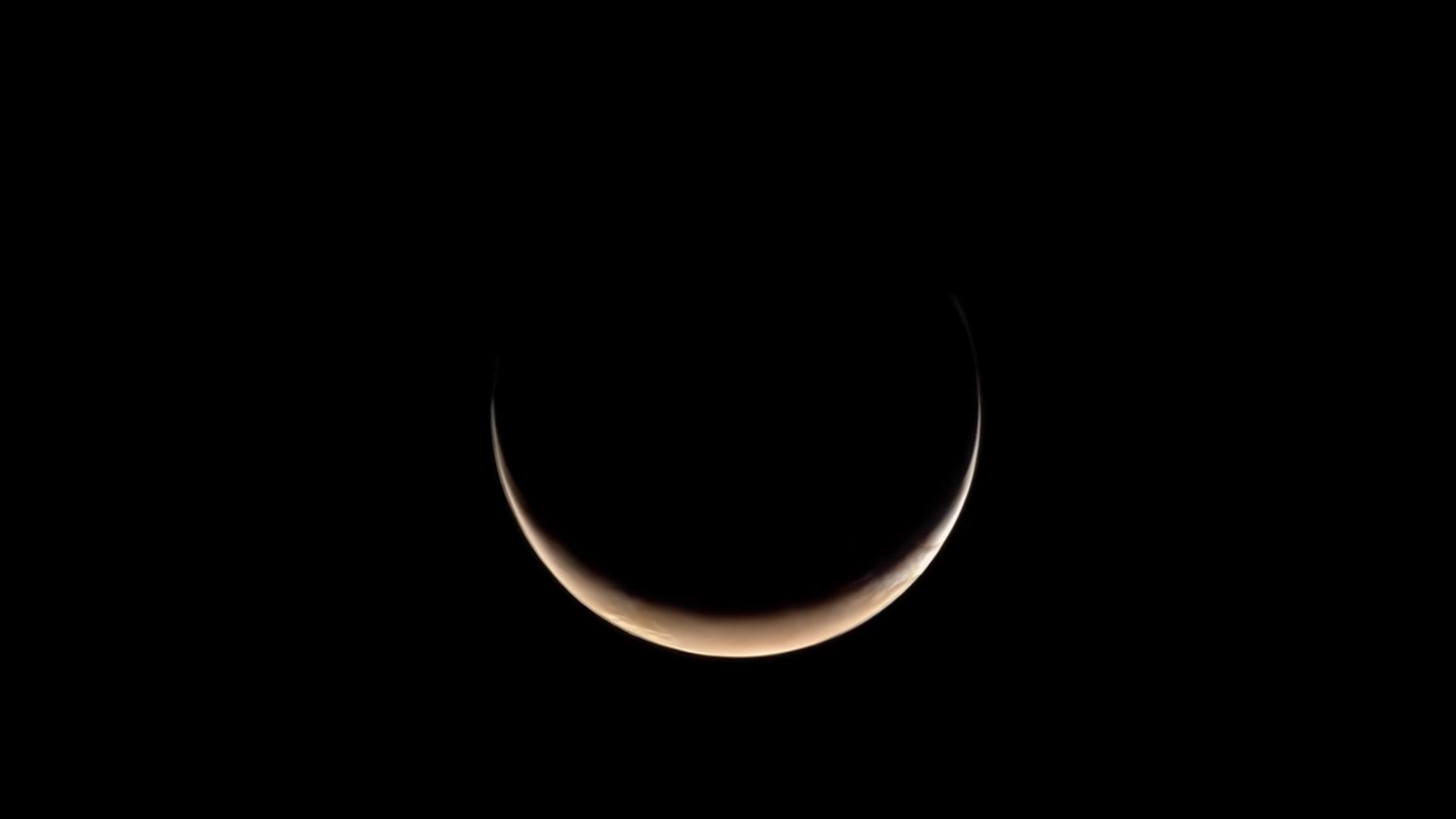
“We didn’t anticipate big discoveries, given how extensively the planet has been studied, but we did complement Mars science with the data we collected through Psyche’s unique perspective.”
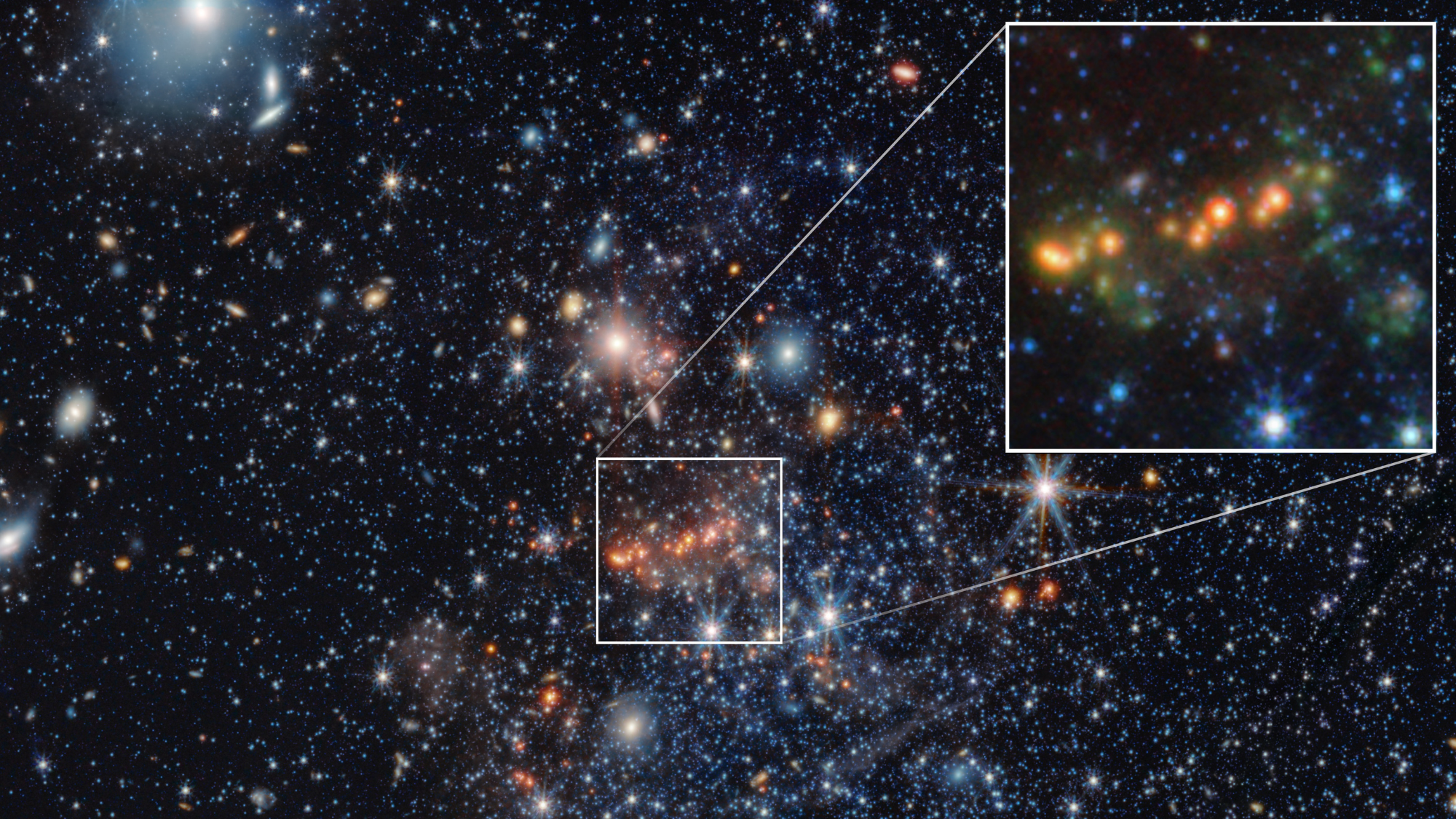
Using the James Webb Space Telescope, astronomers have discovered the secrets of early galaxies that pumped the infant cosmos full of dust, but by studying a much closer and modern galaxy.
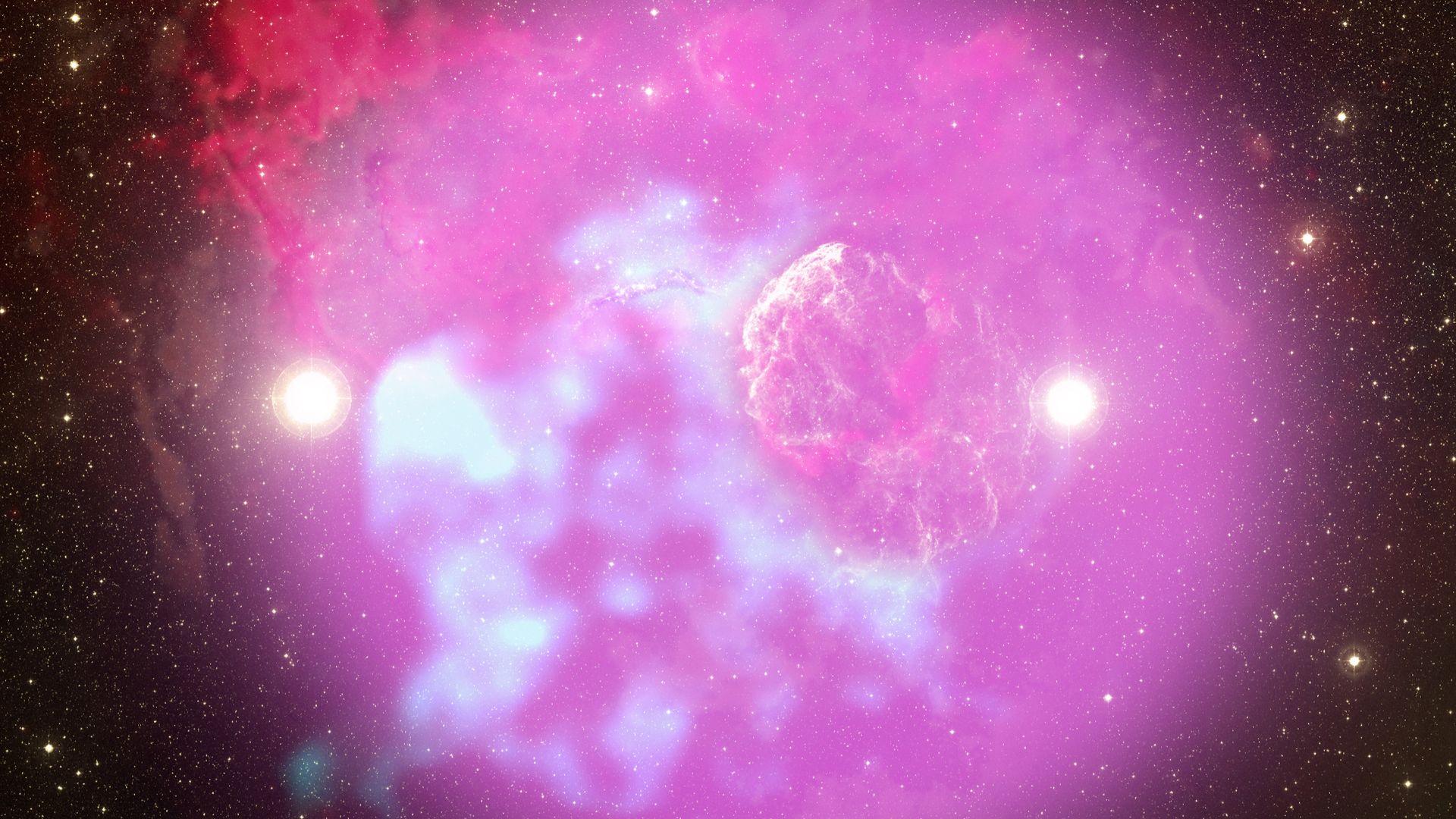
Imagine if Star Wars’ Tatooine twin suns went supernova. Scientists may have just found that in our universe.
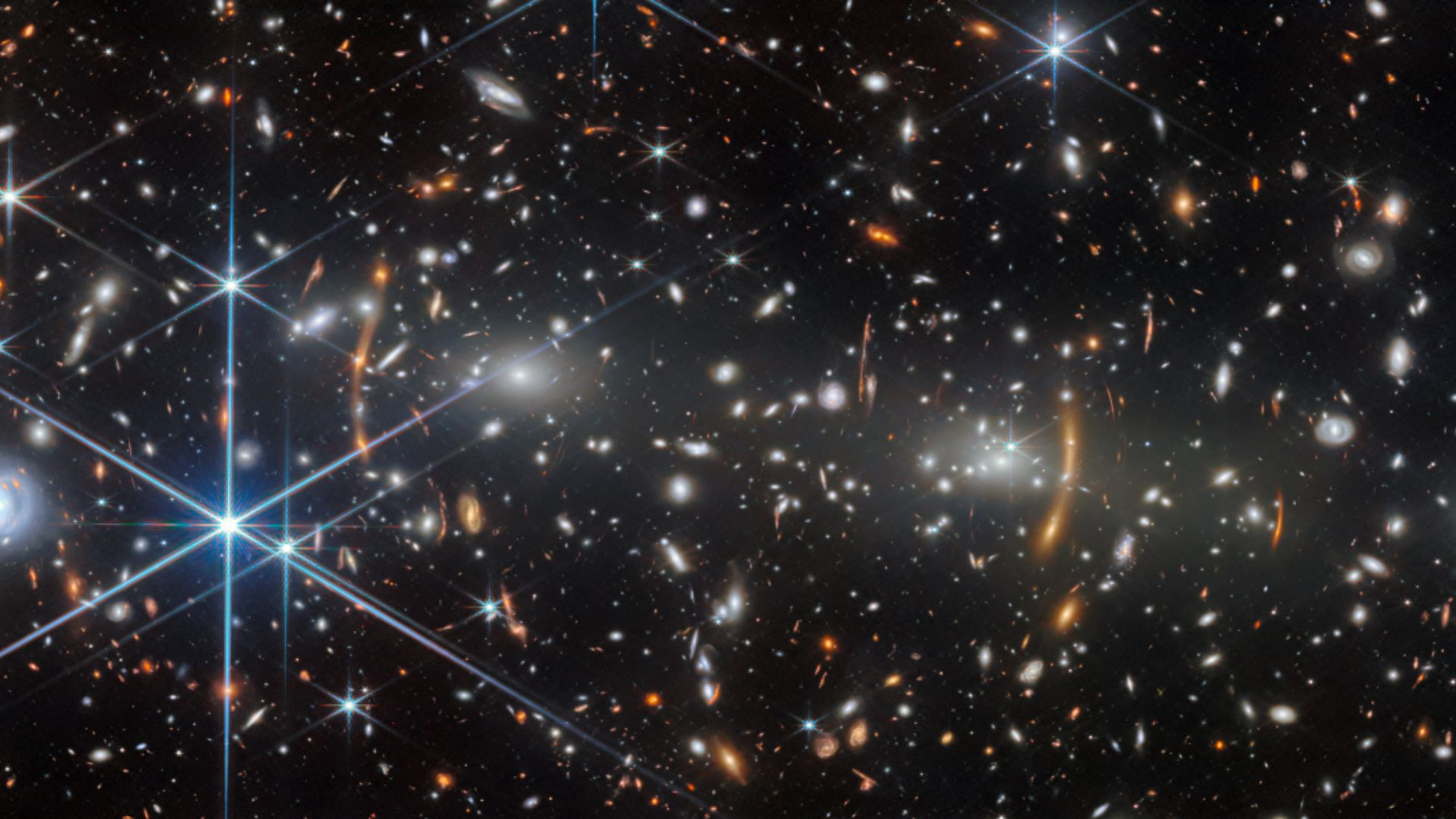
The James Webb Space Telescope captured this image of a young galaxy cluster, MACS J0553.4-3342.
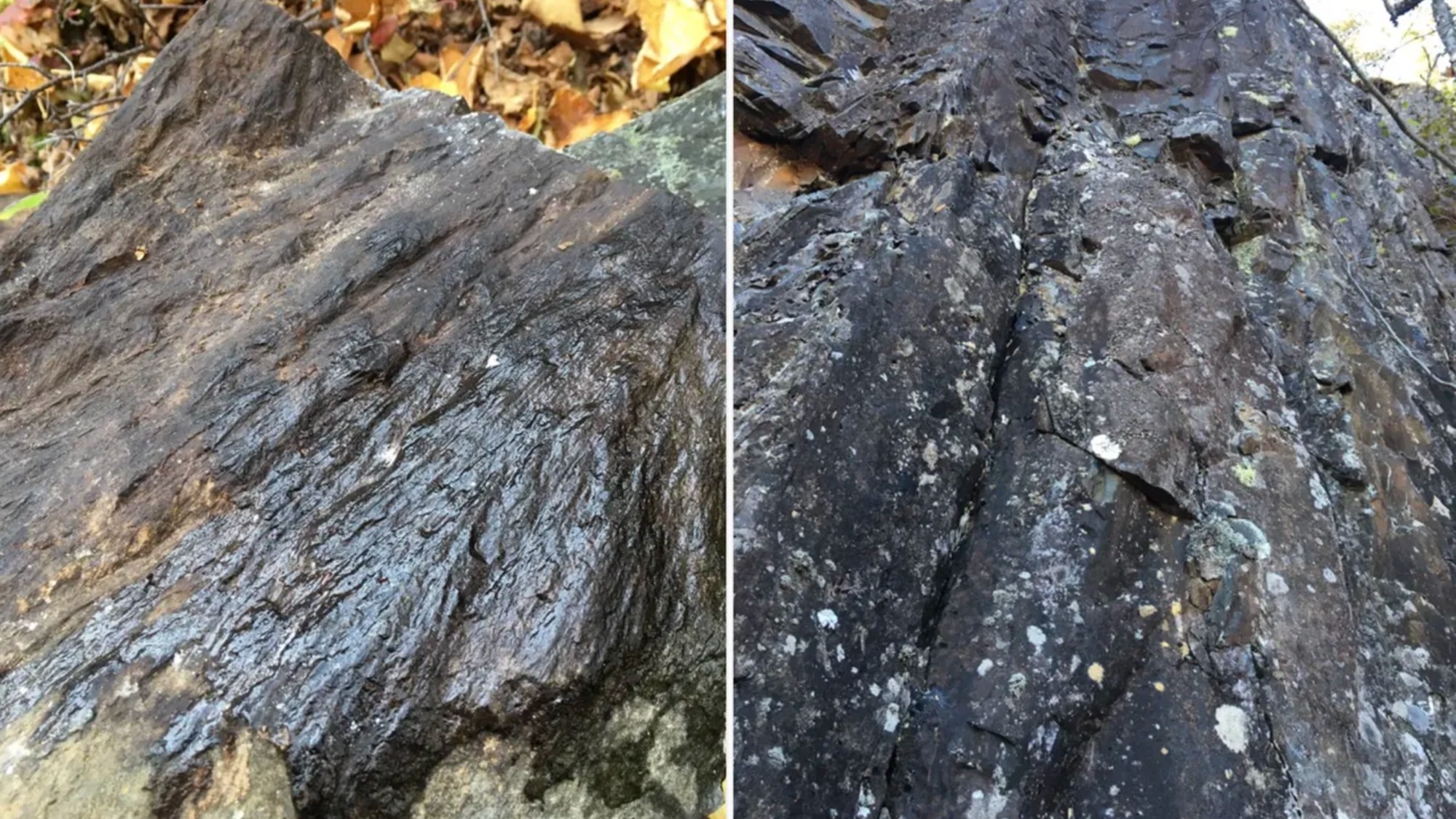
While getting ready for a camping trip, an amateur astronomer spotted a possible crater. It appears to be a match, pending microscopic results.
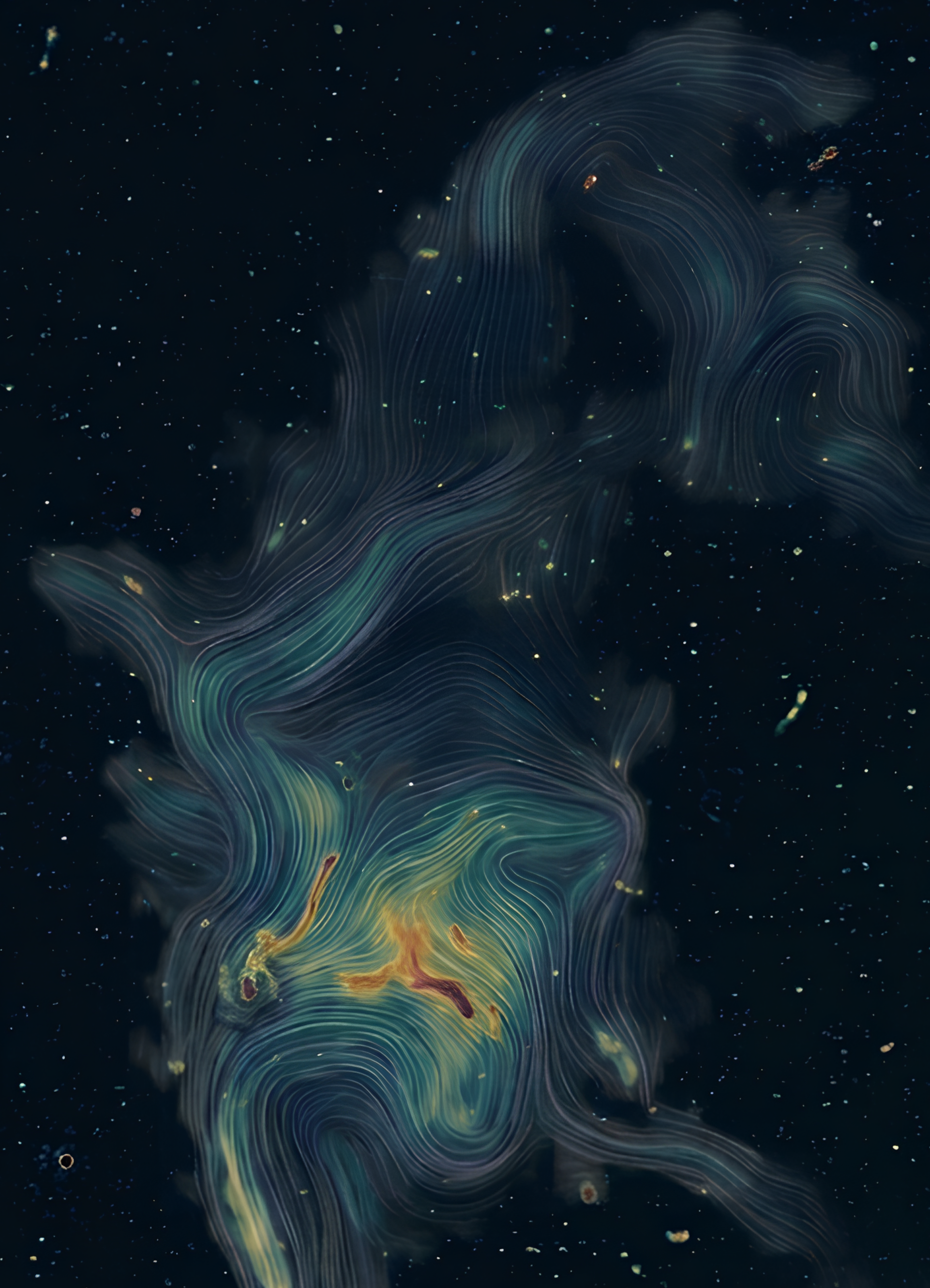
“We believe that the mechanism that ‘turns on’ these gigantic radio emissions is linked to the formation process of galaxy clusters.”