“We are trying to protect science and our investment in space.”
“Allowing a million orbiting data centers with no environmental review isn’t just irresponsible — it’s reckless.”
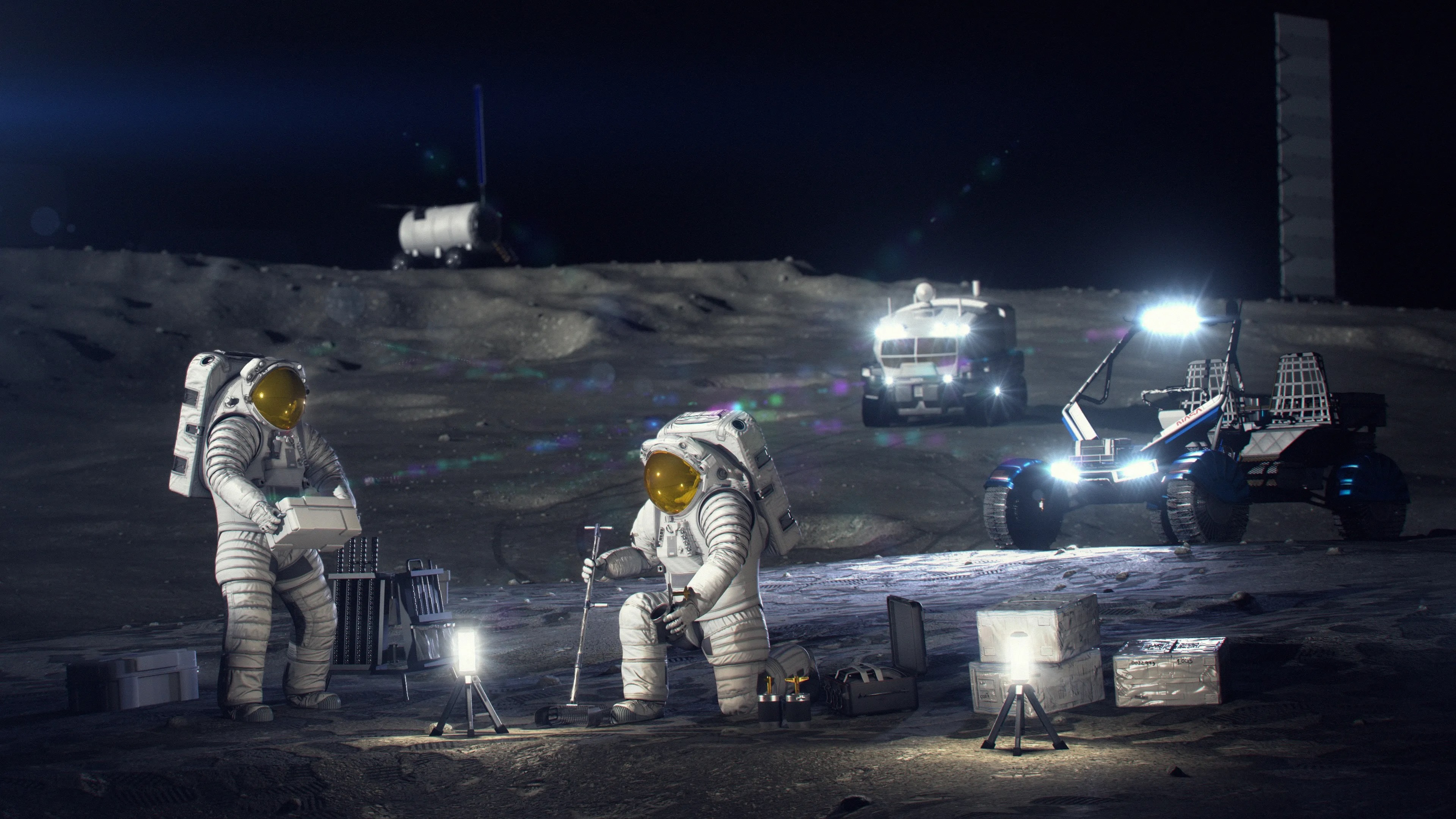
A simulation of future astronaut moon bases suggests that mission design, and not just psychology, needs to be considered for success.
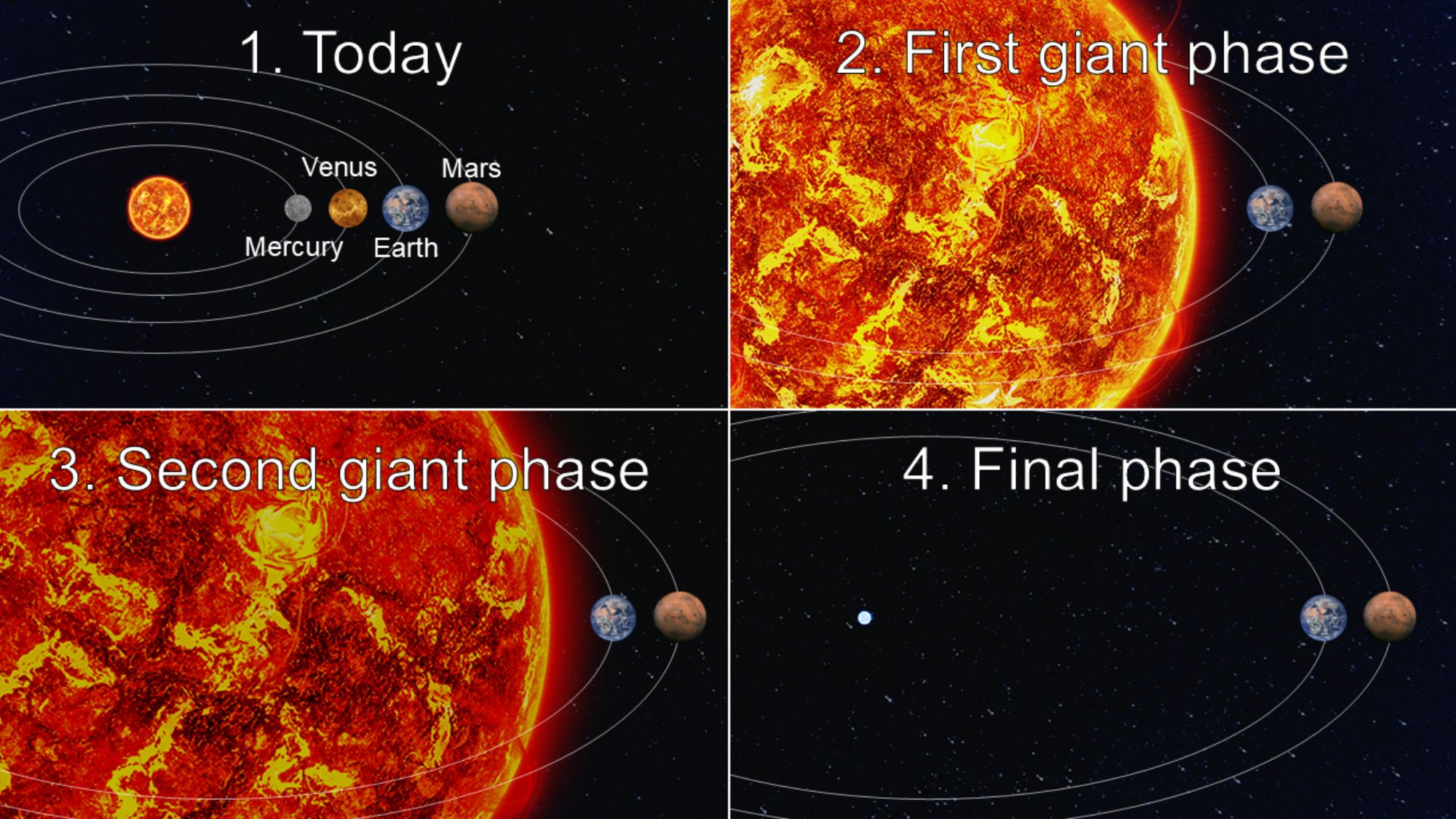
When the sun swells into a red giant about 5 billion years from now, Earth may escape being swallowed by the dying star, a new study suggests.
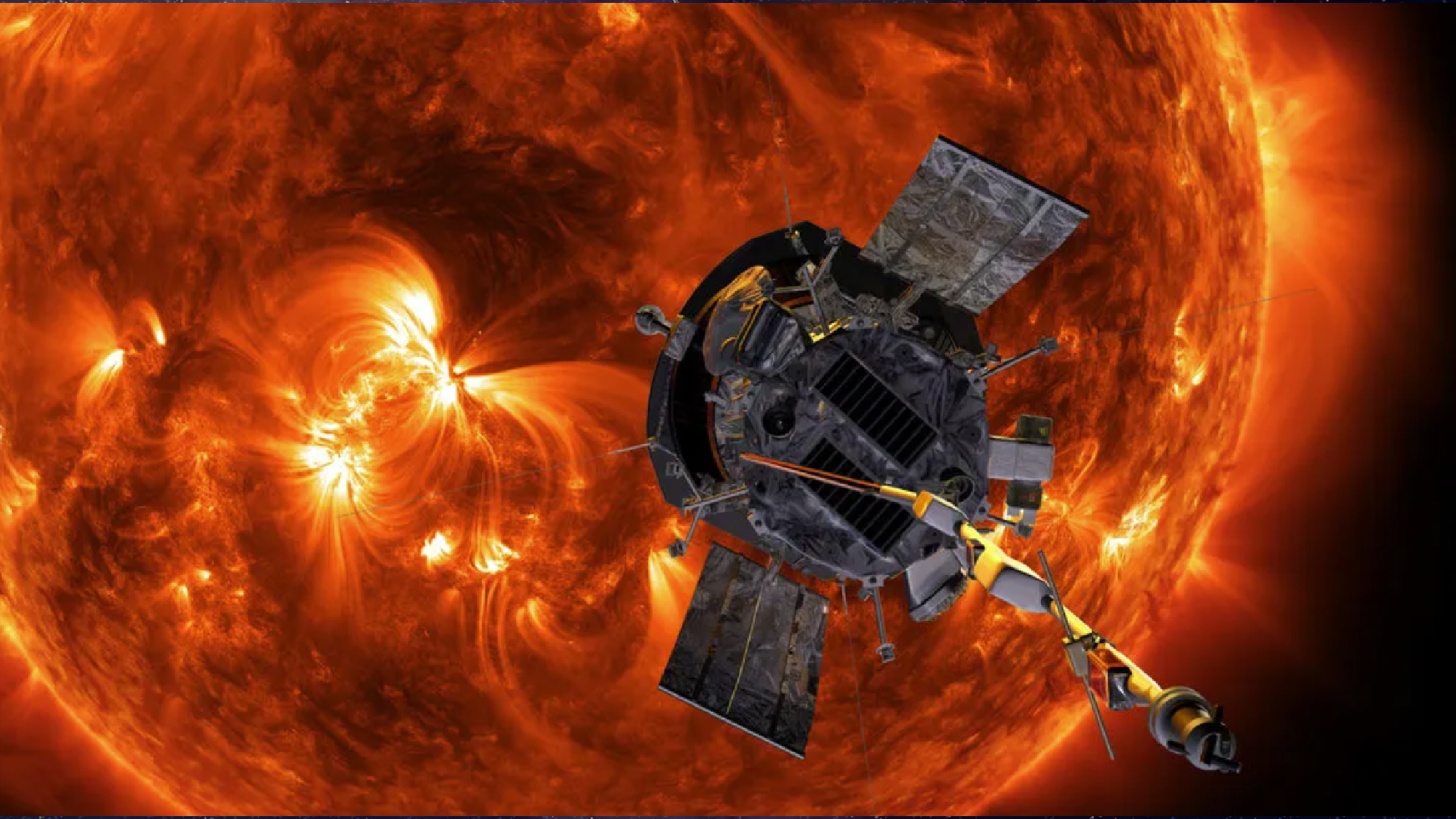
NASA’s Parker Solar Probe has found charged grains of dust being carried on magnetic plasma waves in the Sun’s outer atmosphere, providing a new clue to the mystery of the Sun’s corona is so hot.
Observations of the fast-moving interstellar comet with the Very Large Telescope in Chile support similar observations made by the JWST.
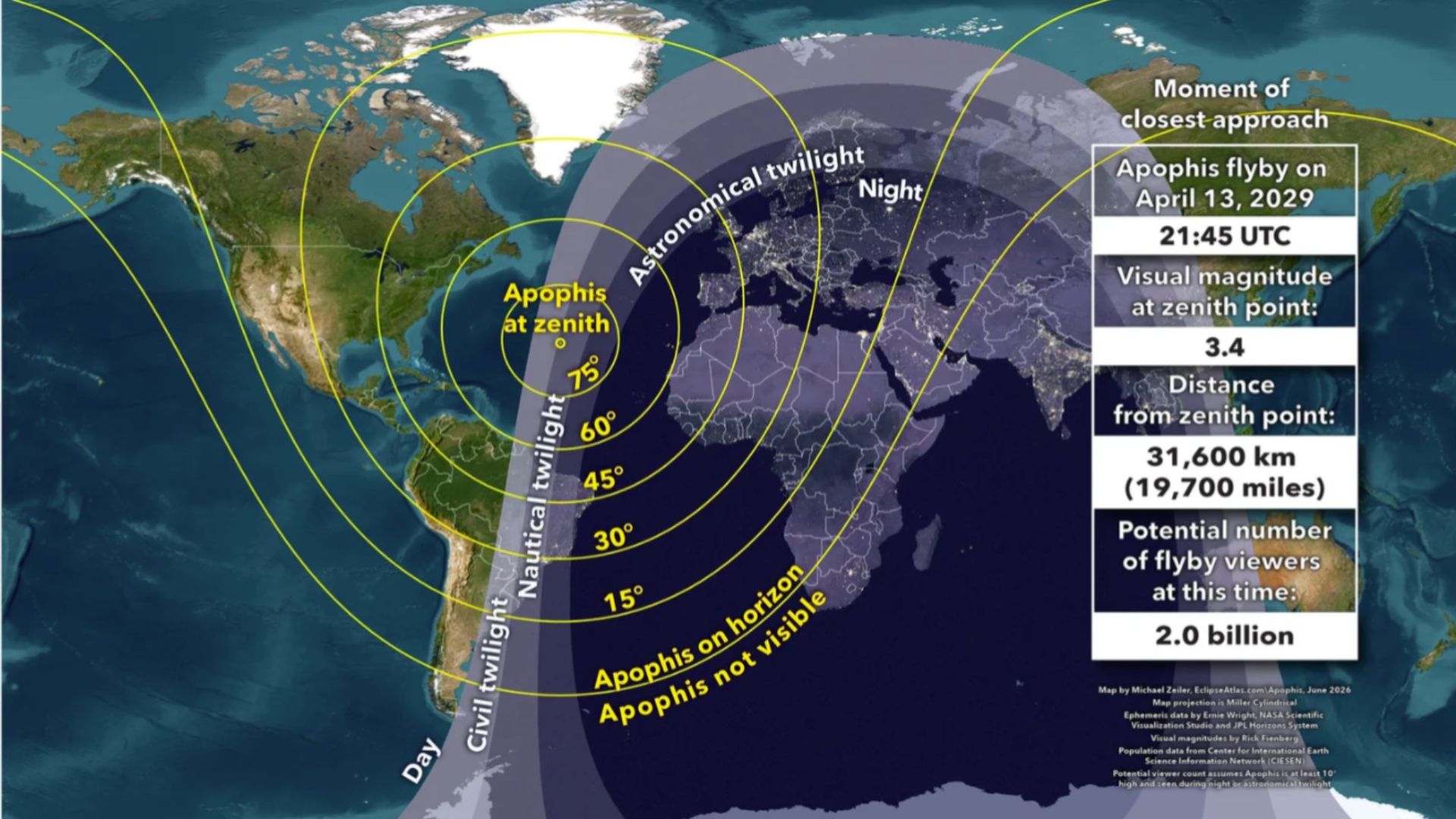
Ninety percent of the world’s population could glimpse asteroid Apophis during its once-in-a-millennium close approach to Earth in 2029.
Humanity made some halting steps toward flight over the centuries, but our species was still firmly rooted on the ground when the United States of America was born on July 4, 1776.
The moon over America’s first Independence Day was about 31 feet closer to Earth than it is today. Here’s how colonists used it as a clock, calendar and streetlight — and what astronomers knew about it.