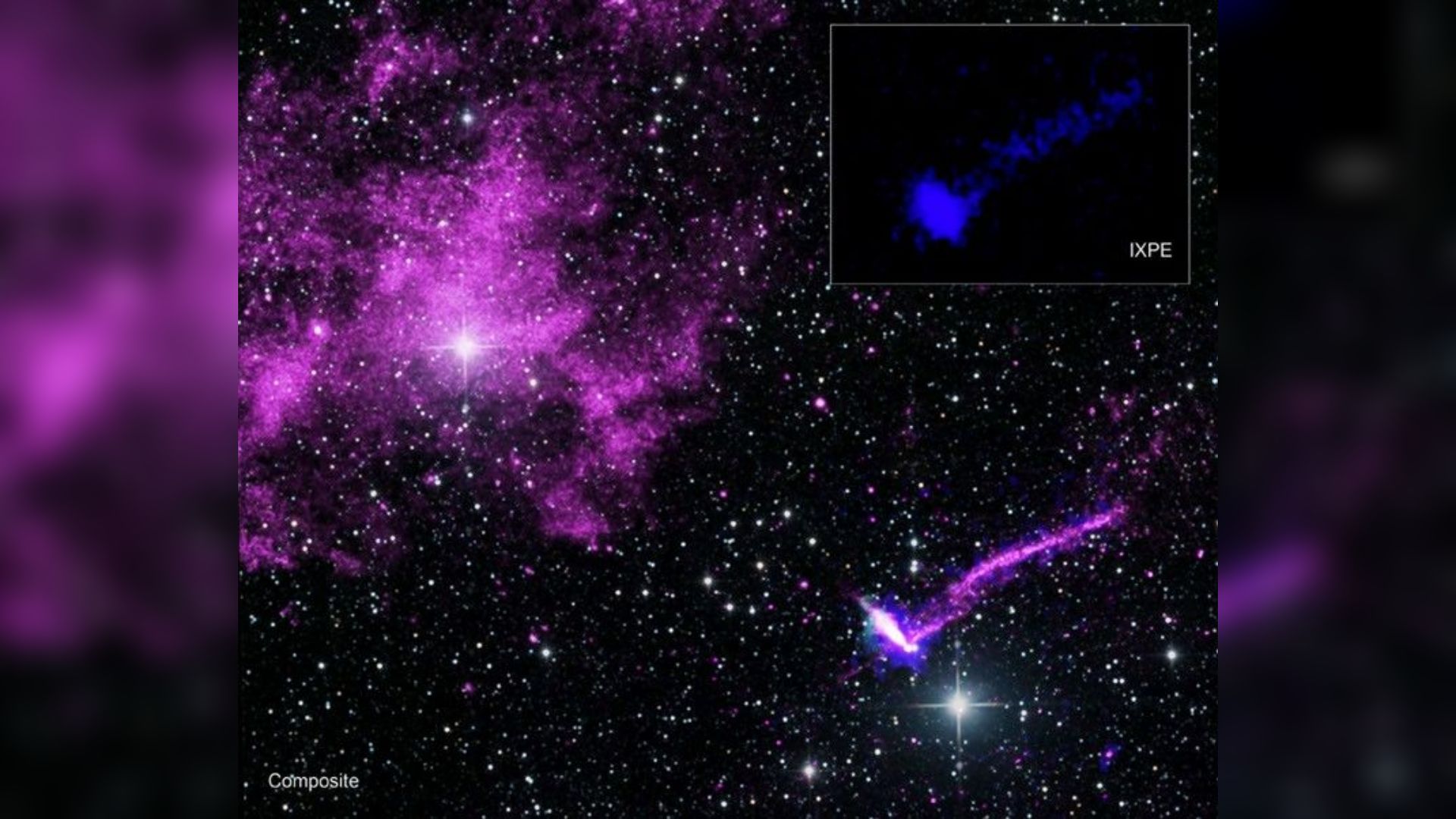
For the first time, astronomers have directly mapped the magnetic field surrounding one of the Milky Way’s most unusual pulsars, confirming a decades-old prediction about how particles stream away from the rapidly spinning stellar corpse.
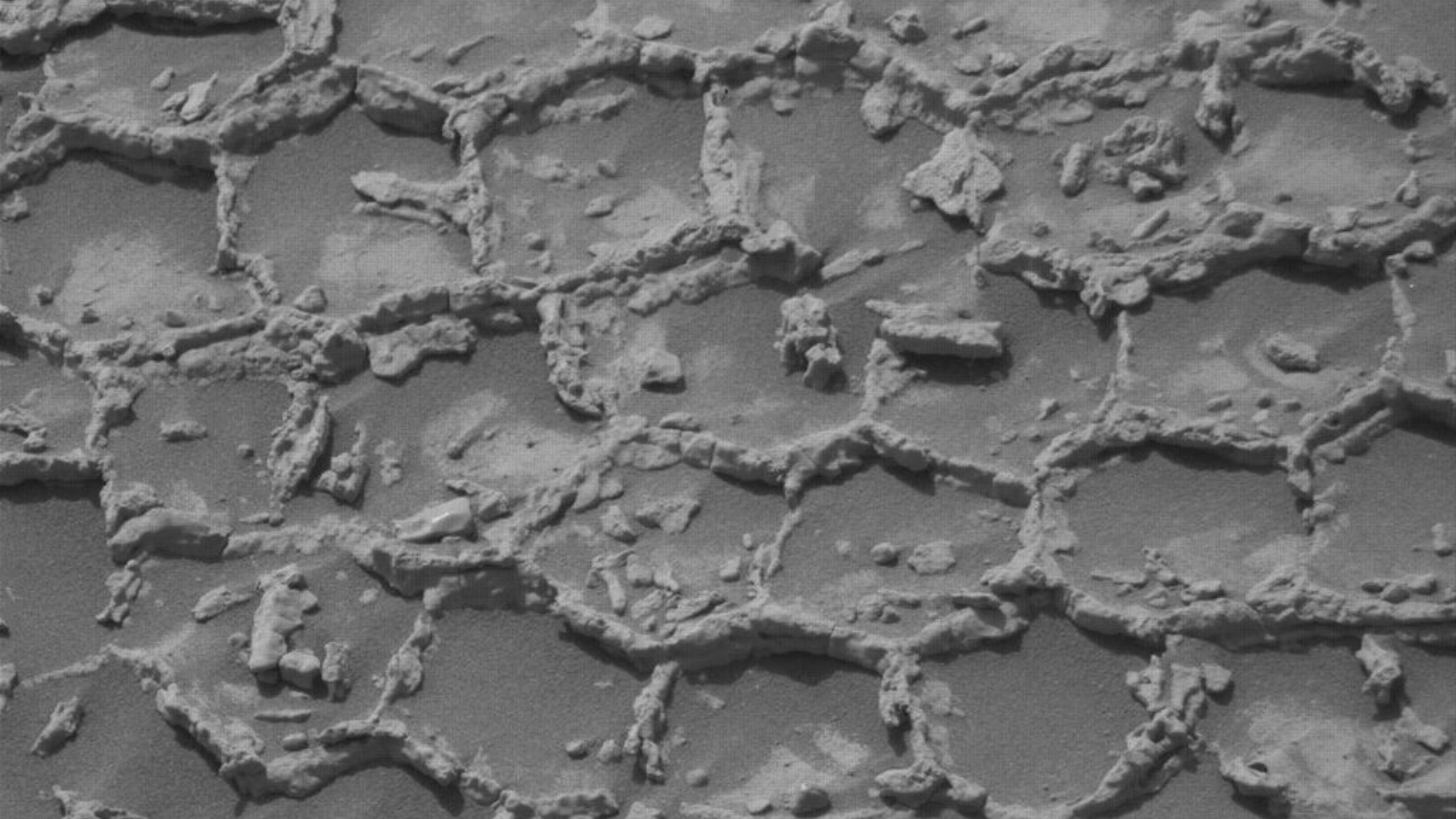
What could we be looking at?
“We are trying to protect science and our investment in space.”
Sub-Neptune exoplanets could have atmospheres so dense and crushing that rock is vaporized to form clouds that trap heat at the surface of the planet.
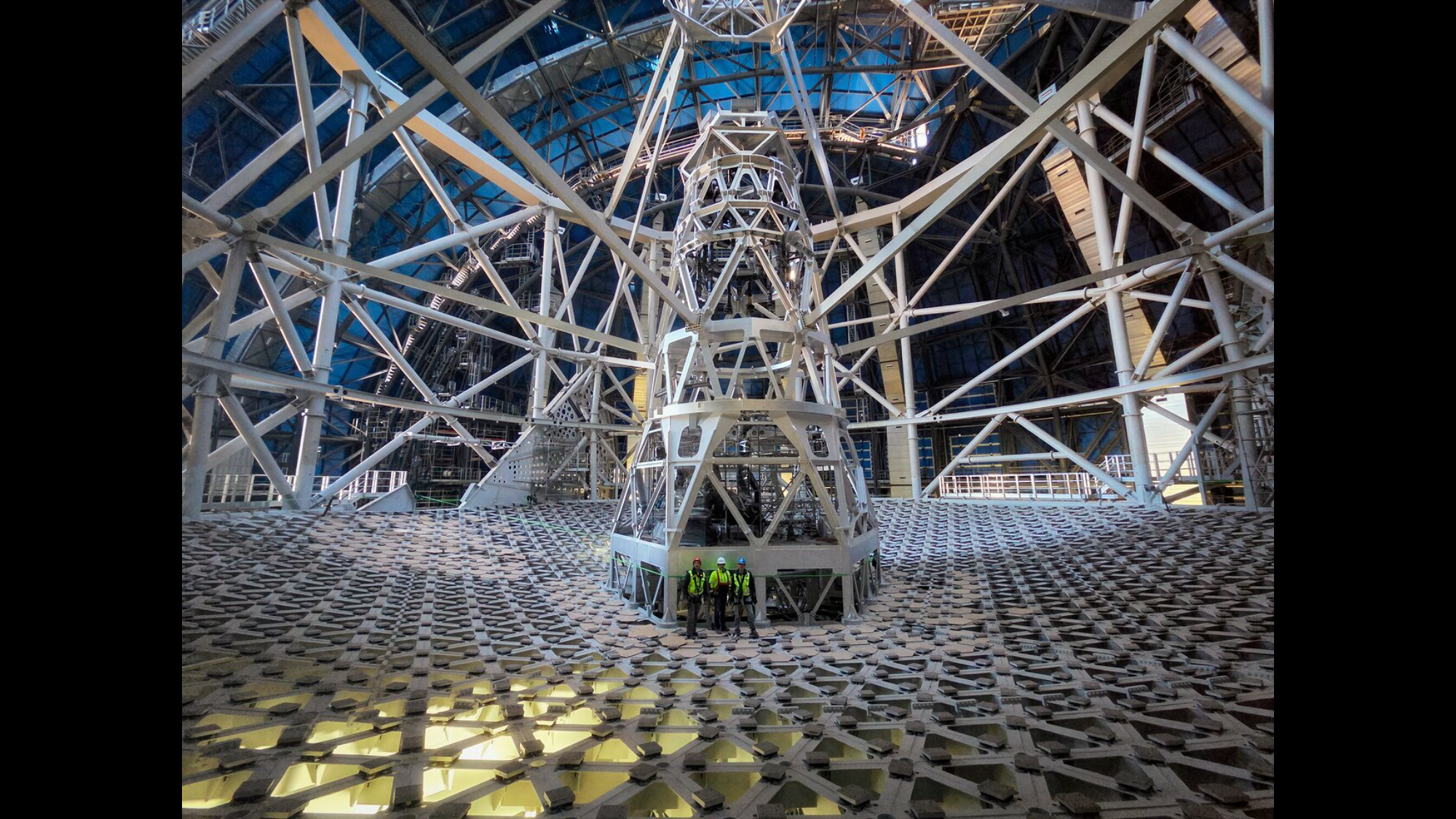
The Extremely Large Telescope is looking quite large in this exciting moment.
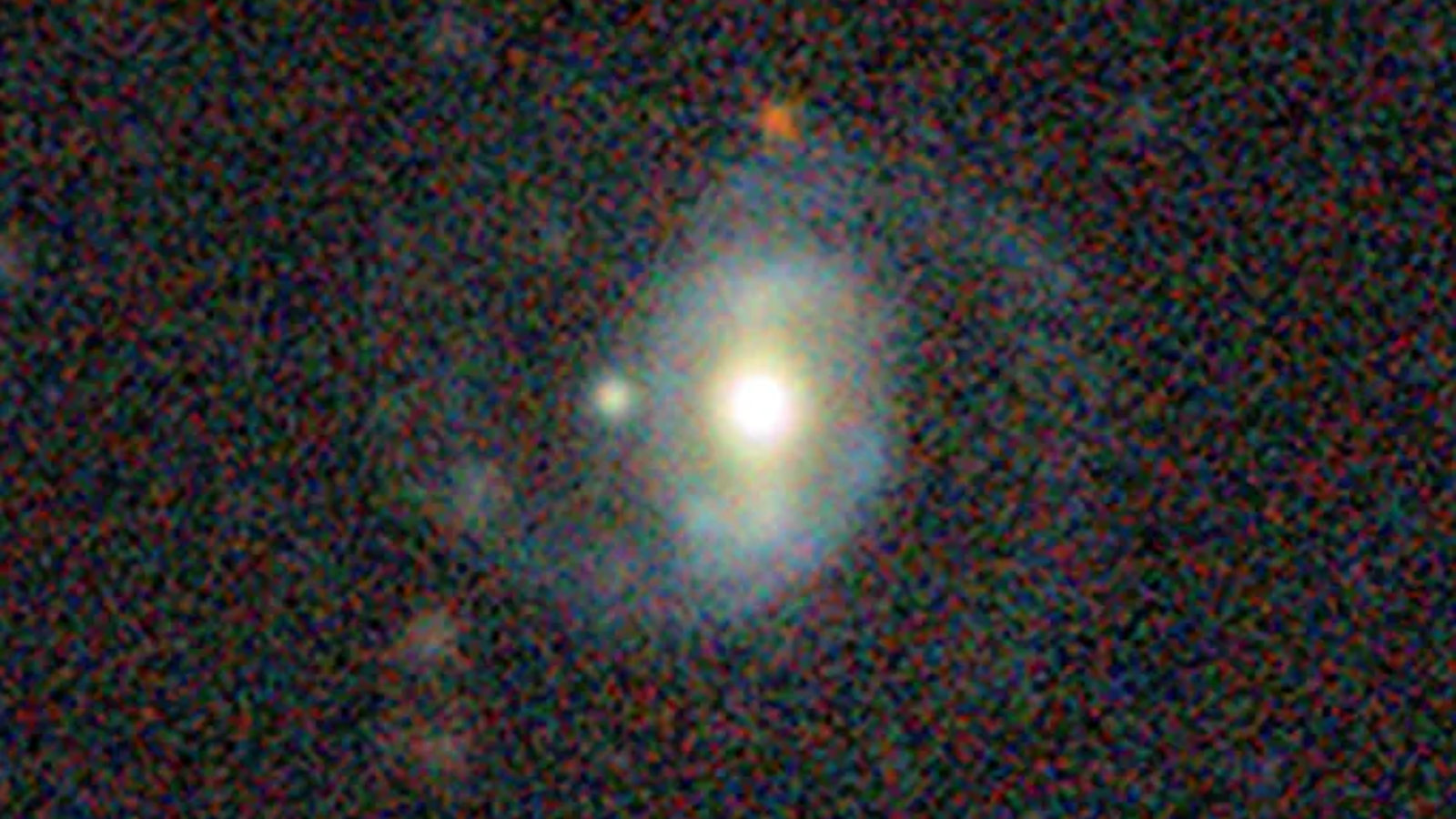
A feeding black hole at the heart of a nearby galaxy is behaving similarly to cosmic titans that existed just after the Big Bang.
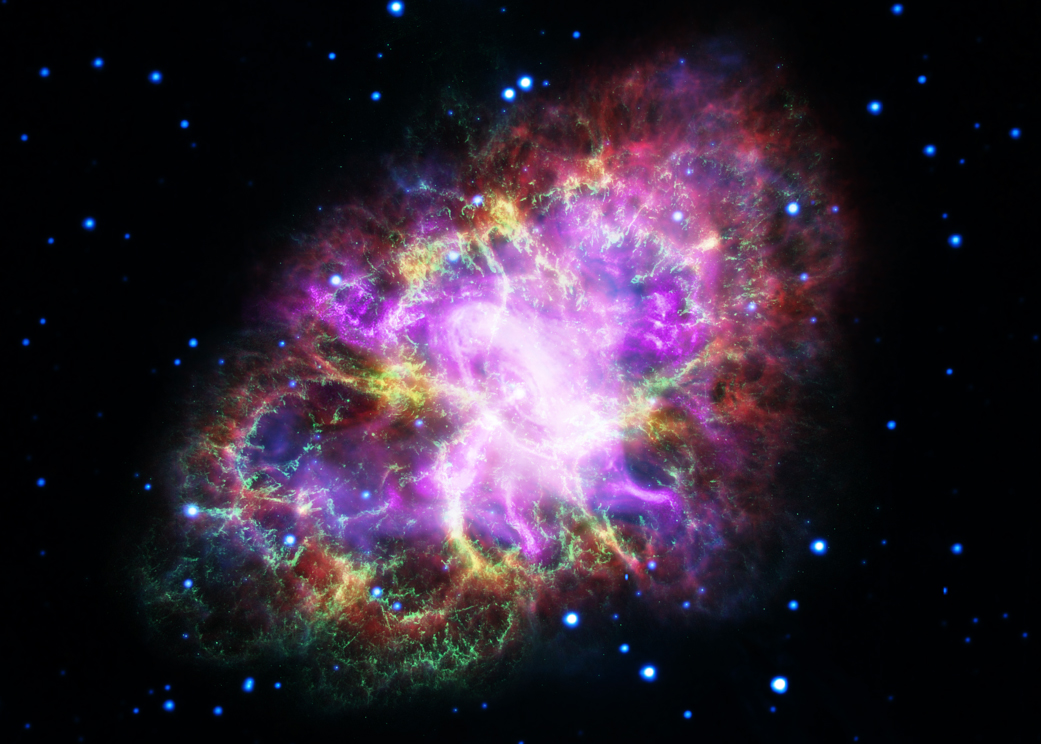
The universe is haunted by “cosmic ghosts” called neutrinos, which seem to be the “whispers” of stars that died in supernova explosions over the course of billions of years.
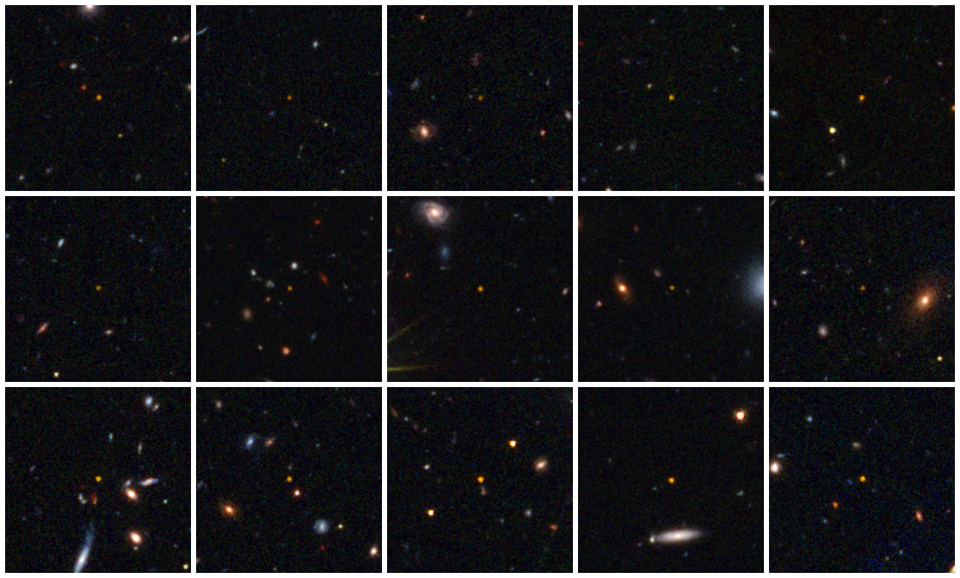
Using the ESA’s Euclid space telescope, astronomers have discovered a treasure trove of black hole-powered quasars in the early universe, including the most ancient and distant ever seen.
“Allowing a million orbiting data centers with no environmental review isn’t just irresponsible — it’s reckless.”