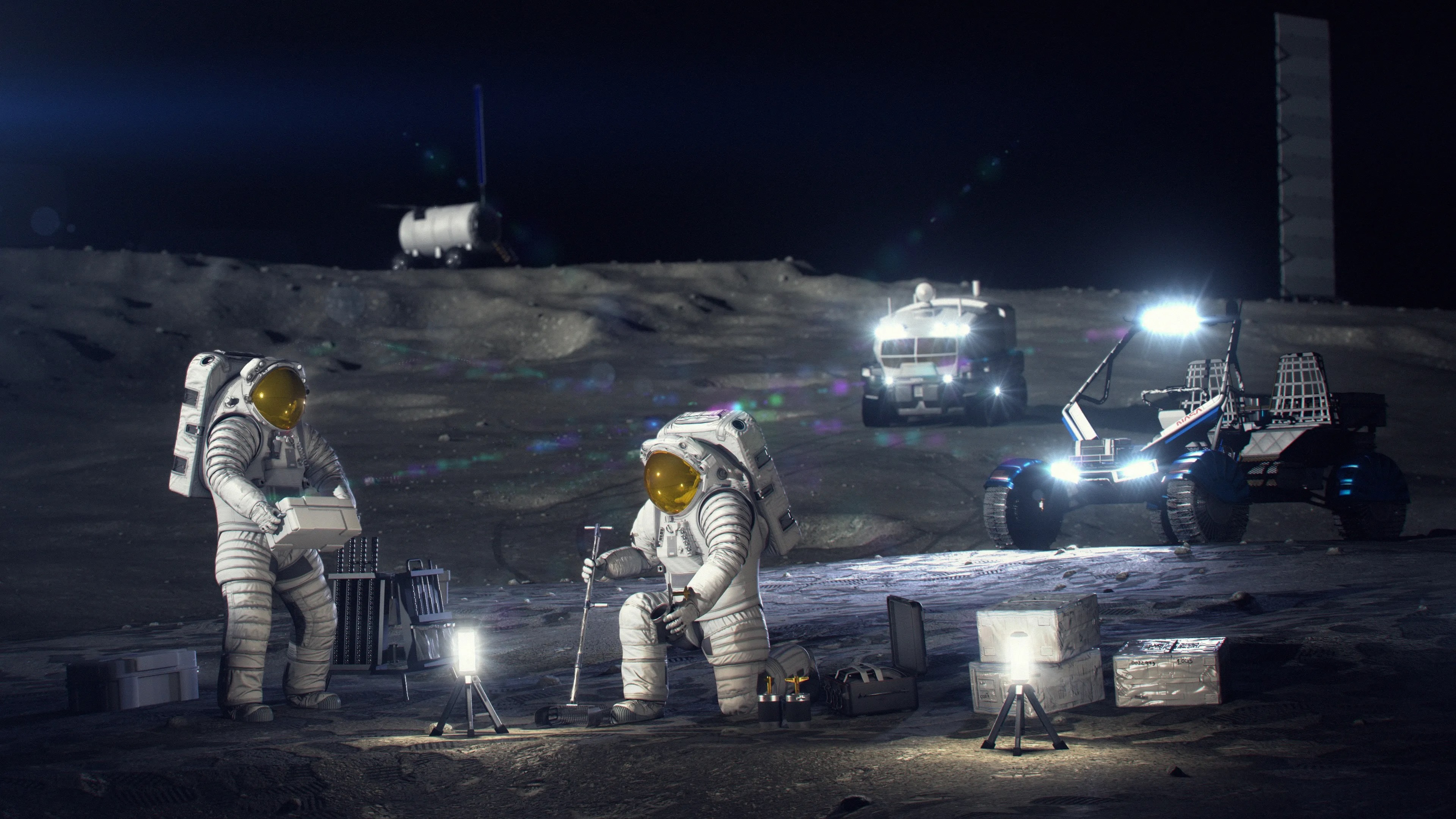
A simulation of future astronaut moon bases suggests that mission design, and not just psychology, needs to be considered for success.
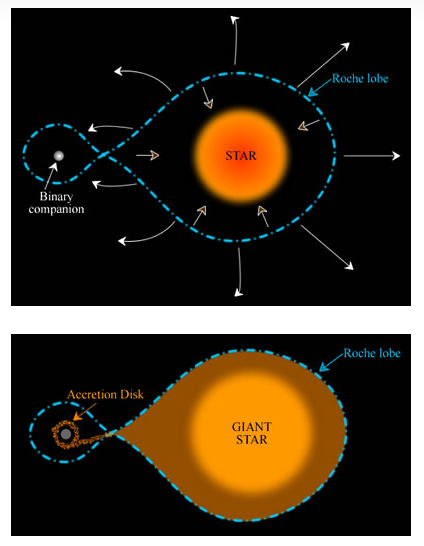
When some stars die, they do not do so alone, potentially solving a long-standing mystery around a particular class of cosmic explosion called an interacting supernova.
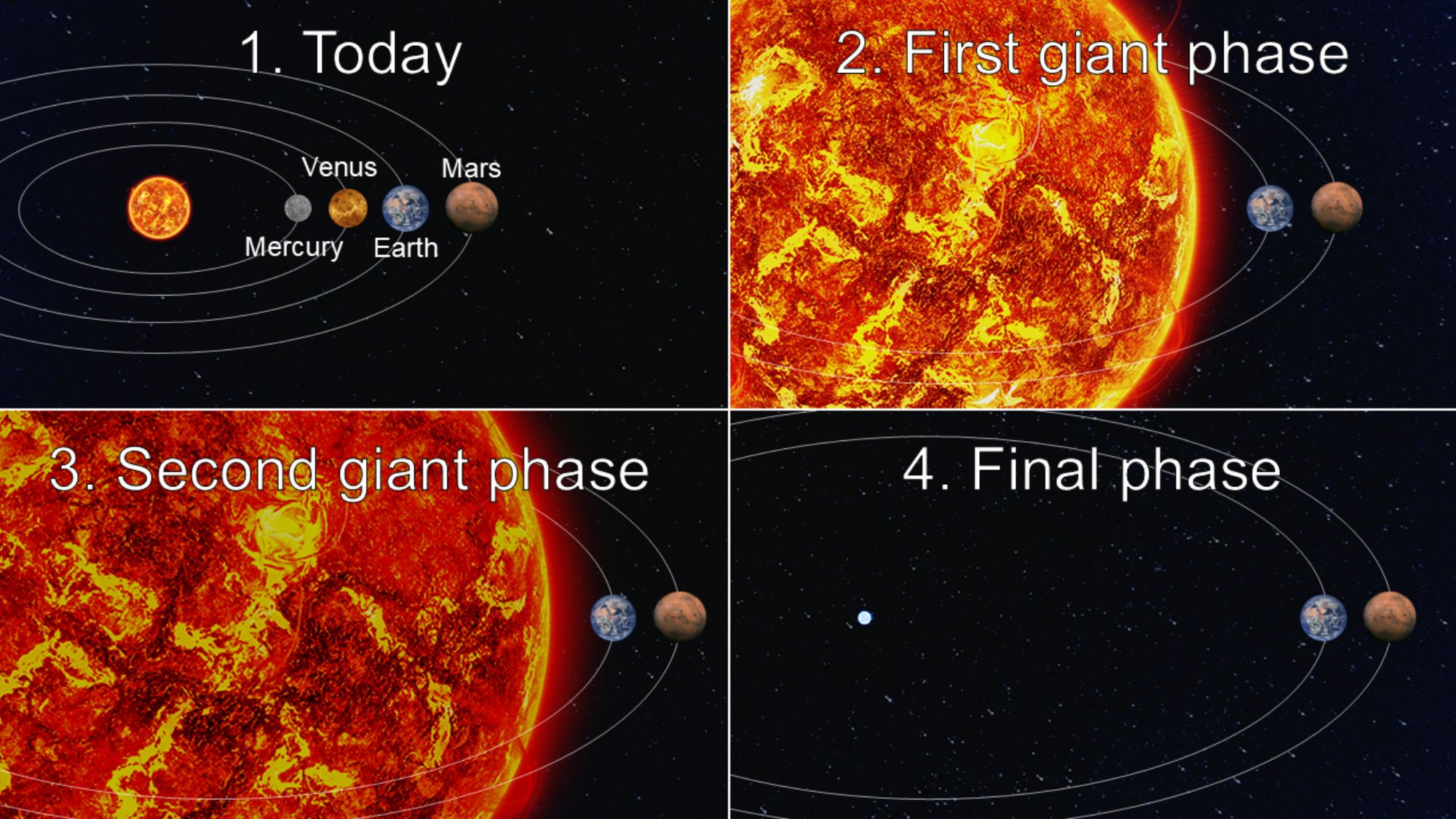
When the sun swells into a red giant about 5 billion years from now, Earth may escape being swallowed by the dying star, a new study suggests.
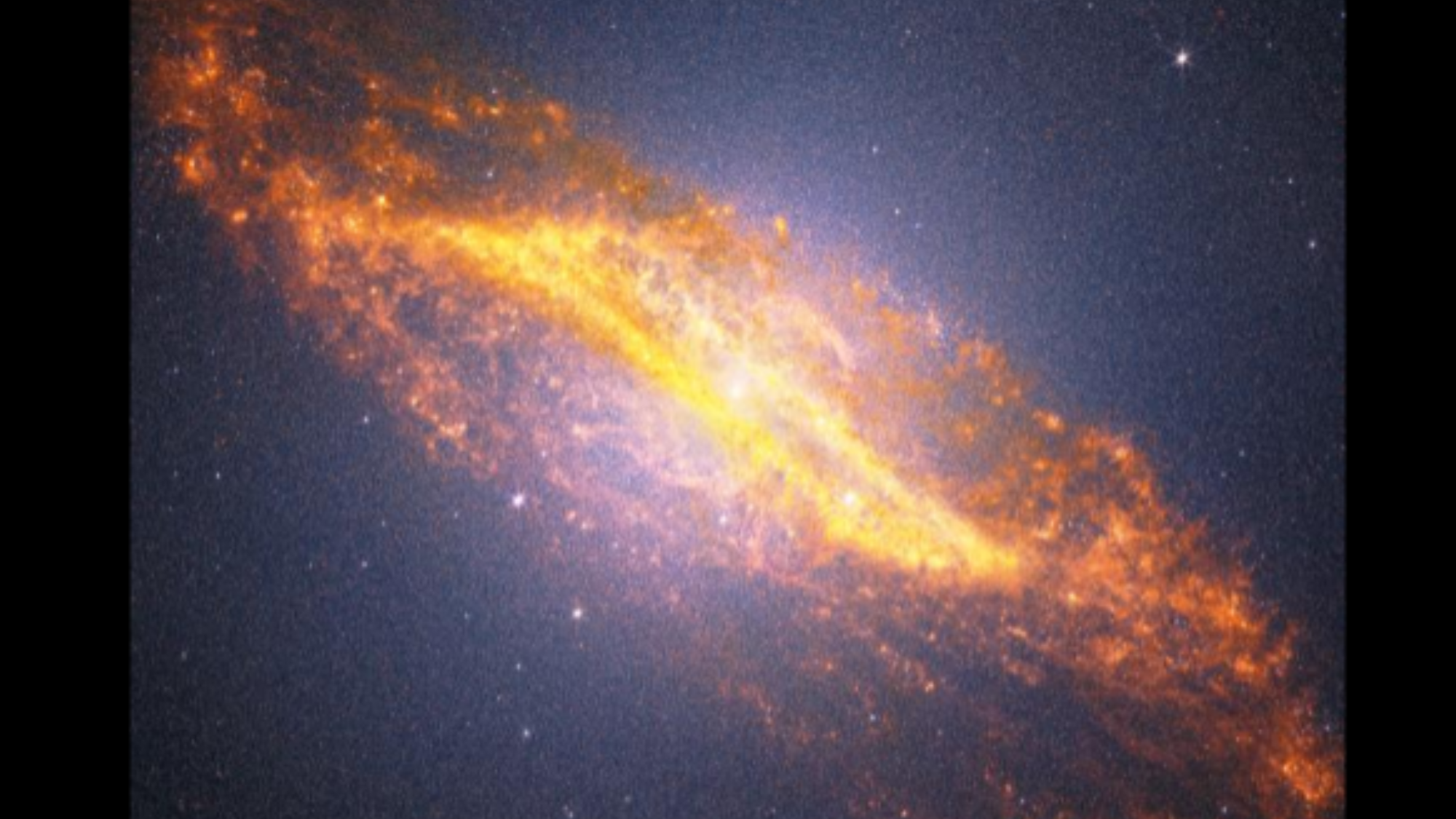
To celebrate the fourth birthday of the James Webb Space Telescope, NASA has released a stunning image of the strangely shaped galaxy Centaurus A, the site of a cosmic collision 2 billion years ago.
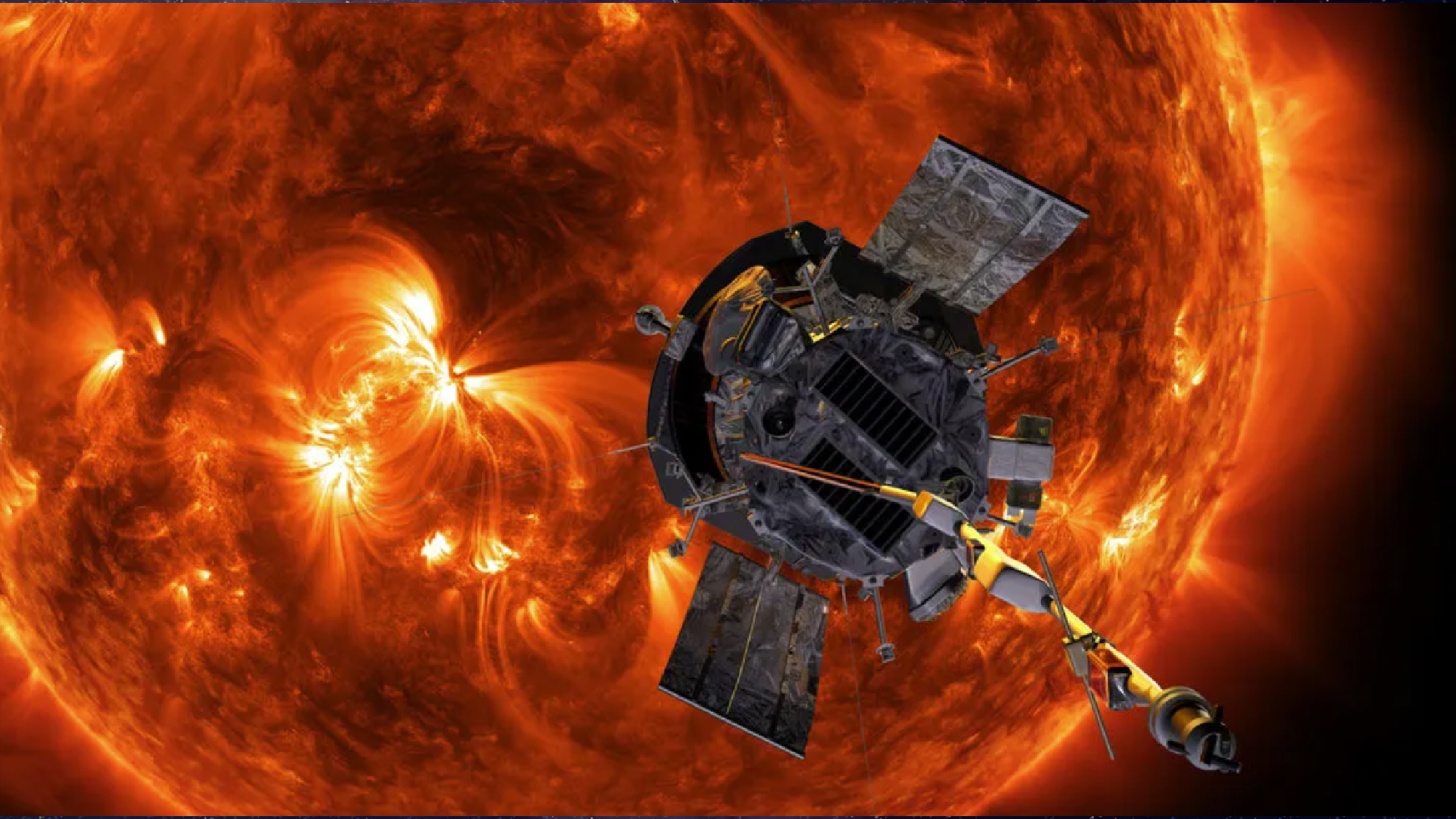
NASA’s Parker Solar Probe has found charged grains of dust being carried on magnetic plasma waves in the Sun’s outer atmosphere, providing a new clue to the mystery of the Sun’s corona is so hot.
Observations of the fast-moving interstellar comet with the Very Large Telescope in Chile support similar observations made by the JWST.
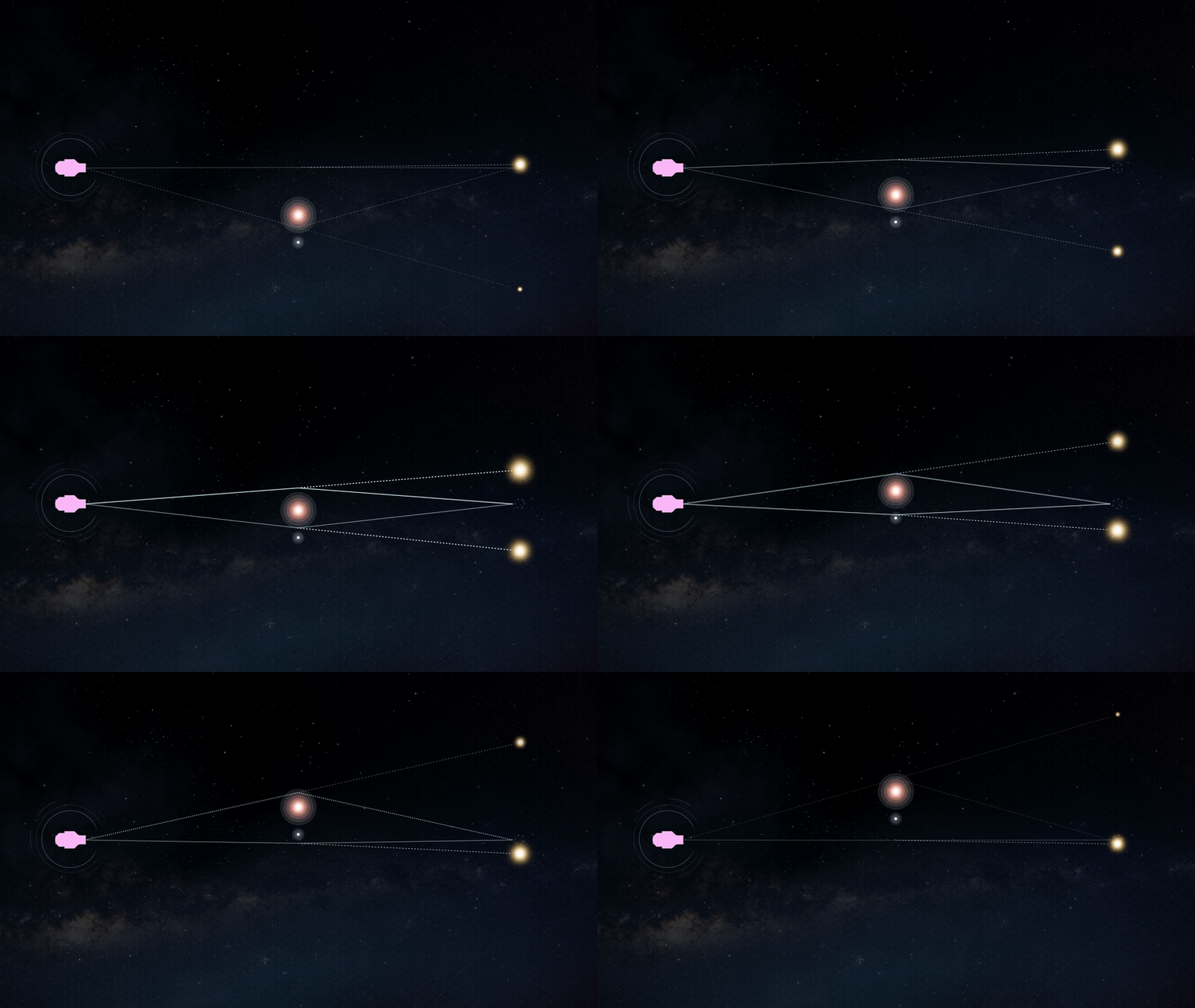
NASA’s exoplanet-hunting spacecraft TESS has a new method for detecting worlds beyond the solar system, and it is thanks to Einstein.
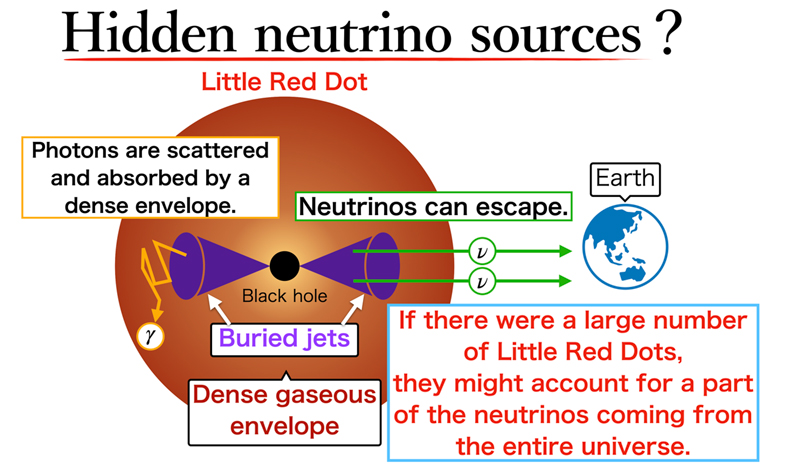
Mysterious “little red dots” discovered in the early universe by the James Webb Space Telescope could harbor buried black holes that fire high-energy neutrinos through the cosmos.
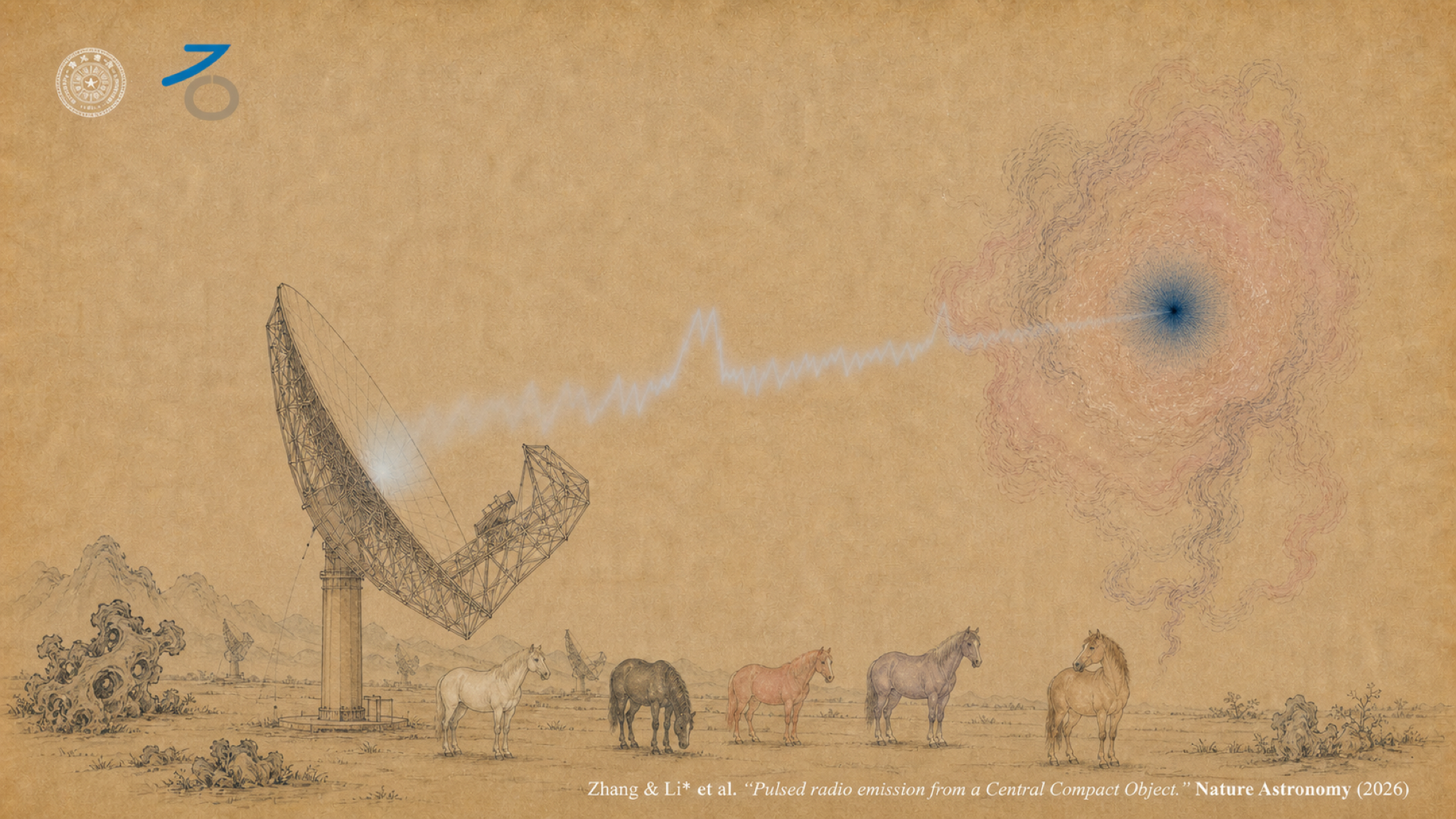
Astronomers have detected radio signals coming from a long-dead neutron star known as the ‘Blue Eye Pulsar’ after searching for decades.
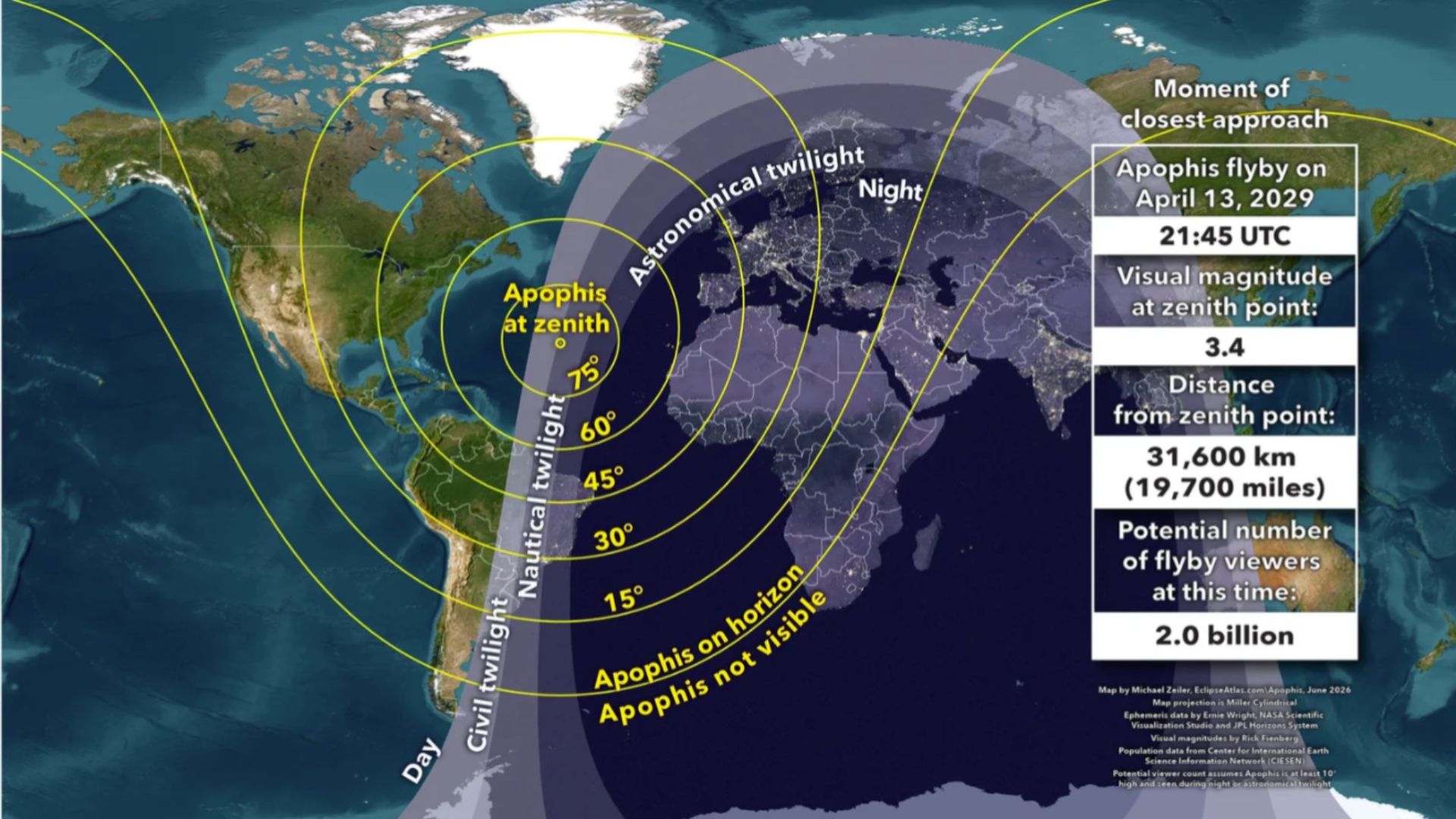
Ninety percent of the world’s population could glimpse asteroid Apophis during its once-in-a-millennium close approach to Earth in 2029.